Online content sets expectations before diners arrive.
Long before a diner walks through the door, online posts can set expectations for the food, atmosphere, and hospitality. Social media marketing for restaurants puts those parts of the experience in front of people, turning digital discovery into table reservations and bringing that attention into the dining room.
Pre-arrival expectations take shape through online content.
A diner may form impressions of the food, atmosphere, and hospitality before reaching the restaurant. Social media marketing brings those parts of the experience online, helping convert digital discovery into table reservations and carry online attention into the dining room.
Management Models for Social Media Marketing for Restaurants
Match the choice to available time, budget, and situation. A coordinated team can help you reach the 54% of consumers who use social platforms to find new restaurants.
On-Site Team Management
Owner-manager
As an Owner-manager, you already know what your feeds should show, so you can run them yourself if you have enough time and interest. Your schedule may leave little space for this, and social media may not keep your attention. Time is still the constraint.
A staff member
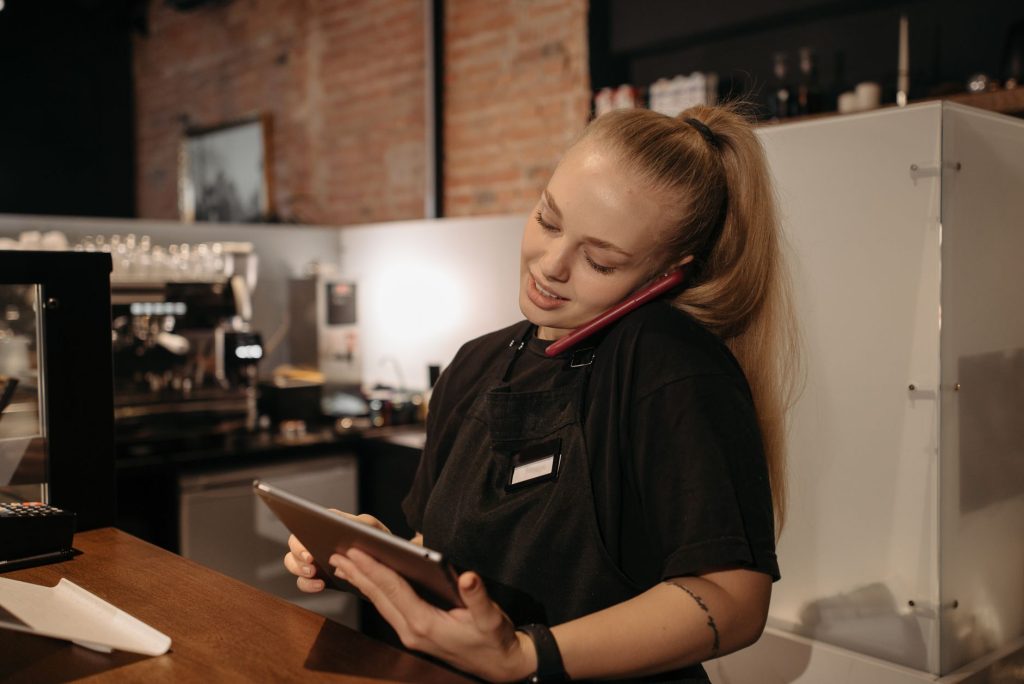
A staff member who’s on-site and interested in social media can handle these tasks instead. A front-of-house hostess or bartender may catch the right moments and pick up details others miss. The person nearest the service usually has the easiest access.
A smartphone
A smartphone will handle most of these tasks, so start with a 1st or 2nd generation iOS or Android phone. Camera technology moves quickly, though, and high-quality pictures may require a newer iPhone, Samsung Galaxy, or Google Pixel. Your phone sets the quality of the raw material.
Set aside a 15-minute block each day to answer everything on your social channels. Then reserve 30-60 minutes per day for creating content and engaging with people, and put both commitments on the calendar. Response time and content time are separate.
External Agency Partnerships
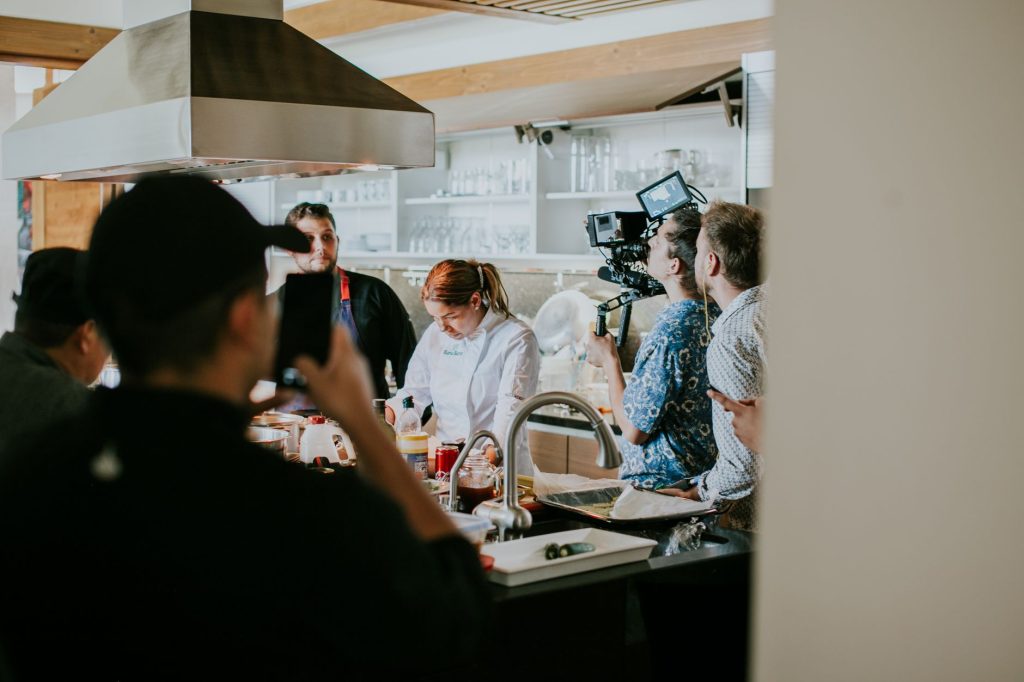
Restaurant operations can leave one person posting, replying, filming, editing, running ads, and reviewing results. If those tasks start competing with the rest of the business, an outside partner can make sense. At that point, one person has too much on their plate.
The right time to bring in best social media marketing services is when you need a team that specializes in food and hospitality. A generic social media manager and someone who understands restaurant marketing can differ sharply in local ad targeting, UGC strategy, and content that turns browsers into diners.
You could hire an external PR firm, which will have stronger social media skills and tools. It may know less about your business and its content, while charging you to manage the social feeds and sending its team to your location to capture images of the restaurant and food.
An outside Social Media Marketing Agency offers consistent production schedules and professional ad management.
Someone inside the building will usually capture the spontaneous energy of line cooks during service more naturally than an outside agency. The reason is simple: they’re there.
Marketing Performance and Return on Investment
Deloitte Digital’s 2025 State of Social research puts the average B2C revenue lift for restaurants at 9.9%, compared with 14.1% for Social-first brands. For most restaurants, measurable results begin to appear within 60 to 90 days, although paid ads may shorten that period to 2 to 4 weeks.
Saves, shares, and profile visits carry more intent than likes; weigh Follower count and single-post reach alongside other signals.
| Metric | What It Tells You | Target Benchmark |
|---|---|---|
| Engagement Rate | How compelling your content is | 1-3% on Instagram, 1-2% on Facebook |
| Reach/Impressions | How many unique people see your brand | Should grow 5-10% monthly |
| Profile Visits | Interest level from your content | Track the trend, not absolute number |
| Website Clicks | Movement toward conversion | Key leading indicator of reservations |
| Follower Growth | Brand awareness trajectory | Steady growth > spikes |
| Saves and Shares | Content value perception | High saves = highly valuable content |
| DMs and Comments | Community health | More conversation = stronger loyalty |
Tie social activity to table revenue by putting UTM parameters on every social link, then track website visits, reservation clicks, and online orders by platform. In the reservation system, ask diners how they learned about the restaurant, and issue social-media-exclusive promo codes; 57% of diners have made a reservation directly through social media. Review the numbers monthly, comparing social activity with reservations and revenue across 3-6 months.
Local Advertising and Creator Partnerships
For local social media marketing, use hyper-local paid ads when you want nearby traffic quickly, as long as order flow can handle it. Set a 3-5-mile radius around the restaurant, pair the ad with a specific offer such as “20% off your first visit,” and spend $10 each day. Ask arriving guests who used the offer, then record those mentions.
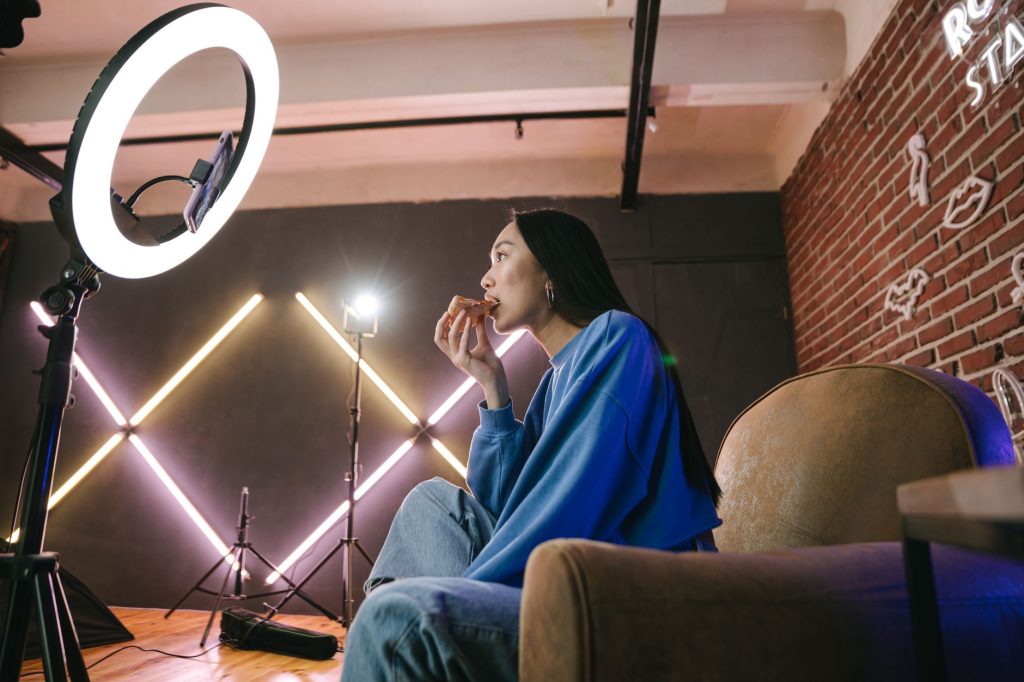
Turn to creator partnerships when trust and reusable content matter most. Pick creators whose audiences match the restaurant and whose work is genuinely local. Micro-influencers with 10K, 50K followers give you a practical place to start. Deals usually run $50-200 plus a meal, and their recommendations can feel more authentic.
Search local food hashtags and restaurant tags to find creators, then spell out the deliverables and expectations. Give the partnership one internal point of contact so someone keeps it organized, and reuse the finished content across organic and paid channels. Test both tactics with a modest budget, tracking each through offer mentions and delivered content.
Core Content Pillars
4-5 recurring themes
Across your content plan, build 4-5 recurring themes around food, kitchen work, people, guests, and seasons. That gives you a balanced answer to “what do I post today?”
80% of your content
Give 80% of your content to posts that engage diners by informing or entertaining them. Reserve the remaining 20% for specials, events, and “come visit us” invitations.
A 4:1 ratio
A good cadence usually keeps posts about fun and close relationships ahead of ads at a 4:1 ratio. Push promotion too hard and followers can tune out, while useful posts keep nearby guests interested and interacting.
Food Presentation and Visuals
Before you shoot, pick your angle and light, because food photos can raise engagement by up to 60%.
- Shoot in natural light whenever possible, or add a simple $30 LED panel.
- Use the overhead angle for flat dishes such as bowls, pizzas, and charcuterie boards.
- Use a 45-degree angle for dishes with height, including burgers, stacked desserts, and cocktails.
Food images shape demand: restaurant food and drink photos appeal to 84% of users; appearance influences purchasing choices for 93% of people, and food photos online have prompted 40% of diners to try a new restaurant.
Natural light beats harsh overhead light, while sharp focus matters more than filters. Keep the plating simple and the background clean so the food stays prominent.
Capture the whole experience through cheese pulls, sauce drizzles, sizzling plates, and freshly shaken cocktails. Movement gives photos and videos more pull, so don’t post something that leaves viewers neither hungry nor curious.
Kitchen Realities and Culinary Preparation
Real and specific
Specific kitchen footage may beat a polished food photo, from a 30-second clip of the chef plating to the wok flaming on Friday night and dough stretched by hand. These moments belong to your restaurant and reveal things diners can’t see elsewhere.
The finished dish
Put the behind-the-scenes work beside its result: raw ingredients next to the finished dish, an empty dining room at 3pm beside the full room at 7pm, or an undecorated cake alongside the finished version.
The first three seconds
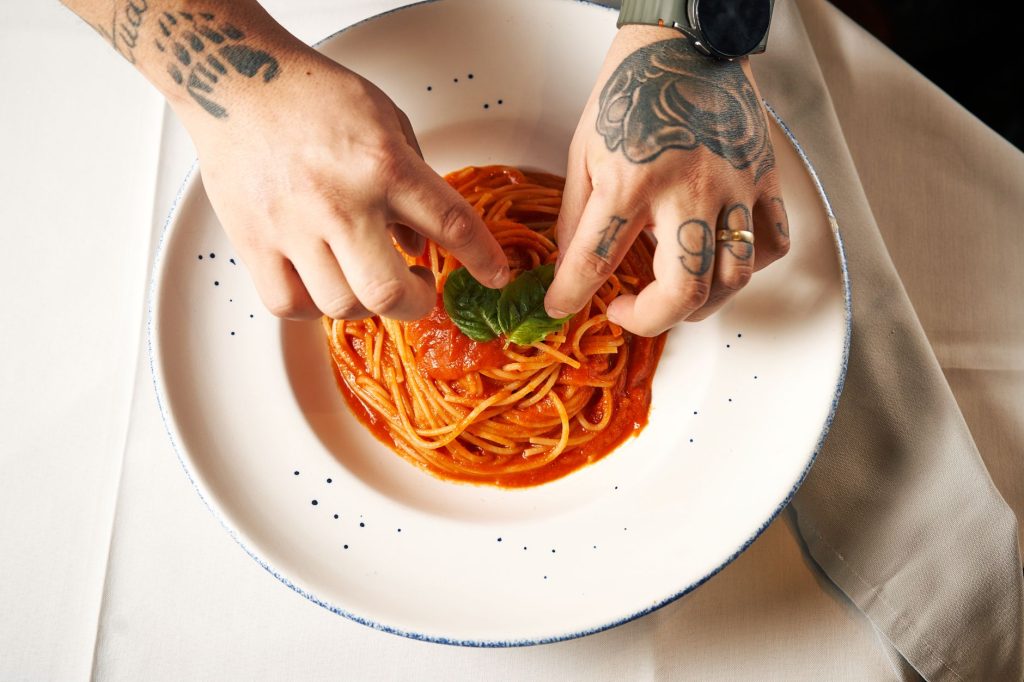
Start the video with what diners will receive: The first three seconds should show what diners will get before the cooking begins. Then reverse the story through cooking and assembly to create a strong visual hook.
Food gives diners a simple connection to your restaurant and the story behind it.
Guest Content and Social Proof
When diners share photos or videos, they’re vouching for their own experience, and that endorsement can land better than a brand post because it provides third-party validation rather than promotional messaging. Since 86% post about a meal when its appearance appeals to them, attractive food can generate free user content for your restaurant.
Give guests clear prompts when you want them to post.
- Place your social media handles and any branded hashtags on physical menus, table tents, or printed receipts.
- Configure your venue’s wi-fi splash page to redirect to the restaurant’s Instagram or TikTok account and encourage posting.
- Put a small sign near the exit or on the table that says, “Tag us @[handle] and we’ll feature you.”
Get permission before resharing, credit the guest, and contact them directly when you want to place their post in your feed or ads.
Guest reposts keep your feed moving without constant production. A strong screenshot of a review also supplies proof from someone outside the restaurant.
Seasonal Themes and Community Involvement
Tie your restaurant to local events, holidays, seasonal menu launches, charity partnerships, and neighborhood happenings while they’re taking place.
Show seasonal specials, including Thanksgiving dinners and menus created for local festivals or events. Seasonal occasions such as Restaurant Week can serve as a trial ground for new event concepts and help draw diners in. Highlight summer specials. Create “fun, family, friends” posts.
Create a one-week-only dish with local ingredients, then ask which local charities or organizations your food team could support.
Local and seasonal posts feel timely instead of generic. One rooftop event program created nearly 20 content pieces, roughly 26,000 views, and 2,000 engagements, along with just under $3,800 in earned media.
Share ingredient sources and local suppliers while explaining how supporting local economies and sustainable practices helps.
Platform Selection
The right social media marketing platform for restaurants depends on your diners and your team; one well-kept account will help a restaurant more than several neglected profiles.
After you’ve picked the main platform, add a second or third without creating everything again. The same repurposing principles can also apply to B2B social media marketing when adapting content across channels. Record upright clips once, then reshape them for other networks. A TikTok clip can become Instagram Reels or Facebook content with a different caption or a shorter cut, which keeps the workload manageable for smaller teams.
Instagram taps into people’s love of food and gives guests easy ways to share what they experienced at the restaurant.
- Instagram Stories: Use posts that disappear in 24 hours to ask which menu items followers want as a special, run a poll with one tap, or announce 24-hour offers such as a free menu item or 20% off any glass of wine.
- Instagram Reels: Share short videos with your community in a vertical format, introducing team members, showing behind-the-scenes moments from the kitchen, or highlighting a current ingredient.
Shoot Reels with the phone upright as part of your social media video marketing efforts, then use live kitchen moments to show how dishes come together and watch which clips draw engagement. Try a new caption or a trimmed length when refreshing a Reel. That keeps the restaurant in front of people.
Make the grid feel consistent by keeping lighting, color tones, and quality similar from post to post.
TikTok
TikTok has over 1.5 billion monthly active users, helping people find restaurants through brief upright video and interest-based recommendations.
Use upright video to reach people who don’t follow you yet. Film a dish being plated, a quick service moment, or a peek inside the kitchen with simple production.
TikTok’s For You feed cares more about engaging, relevant content than polished production, so a natural clip can perform as well as a carefully produced one.
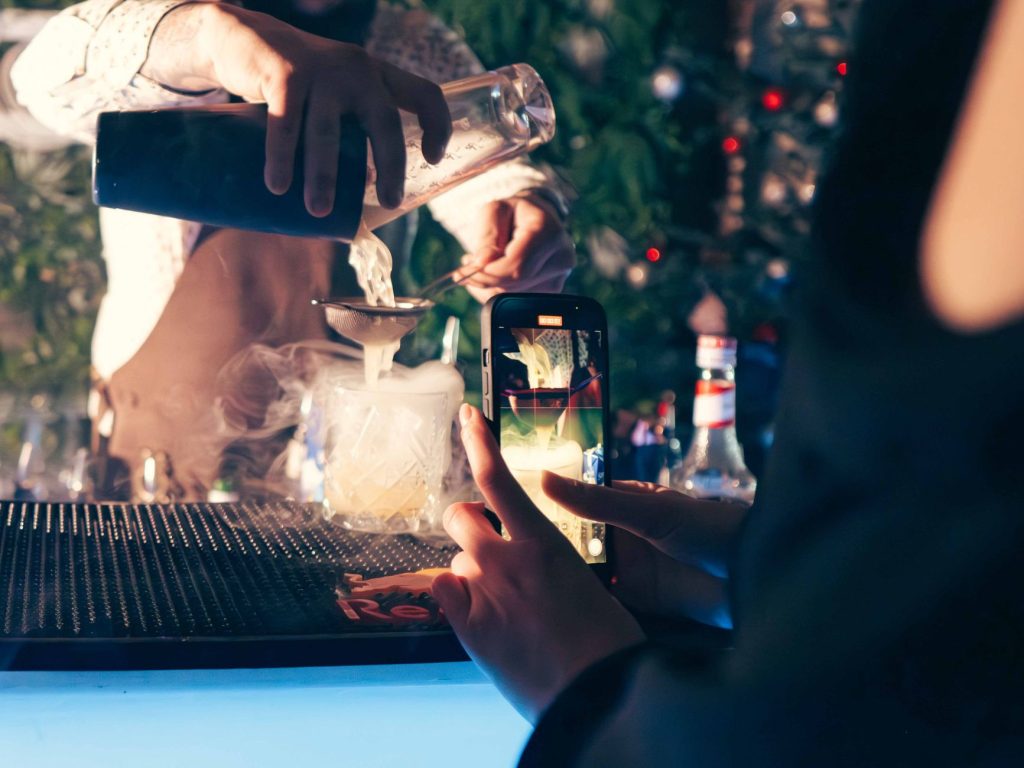
What are short, vertical videos?
Upright phone videos are clips that run from a few seconds to around a minute. Film a chef finishing a dish or bringing a new menu item out of the kitchen. Natural clips suit the format.
The “For You” feed
The For You feed selects engaging, relevant posts based on each viewer’s interests, instead of limiting recommendations to accounts that person already follows.
Do you even need a TikTok account?
A restaurant’s TikTok success doesn’t depend entirely on how active its own account is. Having an account can help, but guest videos may create visibility even when the restaurant posts very little.
Ask guests to tag the restaurant on TikTok when you request a review. Then watch those mentions and tags so you can respond to guest-led content and gain more exposure in the For You section.
Facebook serves as an informational and emotional community hub where people find businesses, and almost half of survey respondents said they search there for restaurants. Over half of the people using Facebook are 35 and older, making the platform suitable for restaurants targeting that demographic.
Facebook’s live streaming video feature lets you capture unplanned moments, such as a market visit involving an exciting seasonal ingredient or a playful exchange with bar or front-of-house staff.
Post two to three times per week because your fans want updates from you. Also check local neighborhood and city Facebook Groups for questions about birthday dinners or brunch near a particular area.
Put someone on your team in charge of watching those groups and replying when the restaurant truly matches a request. The reply should be a genuine recommendation, never spammy promotion.
Profile Setup and Profile Optimization
Make booking and menu access obvious on every profile. Add direct links for reservations and pickup orders, while making digital menus easy to reach, so customers can act in just a few clicks. Then open each menu on a phone and check its speed and readability. Slow files and tiny text can send interested diners elsewhere.
Fill in contact details, opening hours, location, services, and menu links before polishing the bio. Spell out your menu and location, along with the meal times you cover. A business account also gives you audience insights and useful follower demographics through its tracking tools.
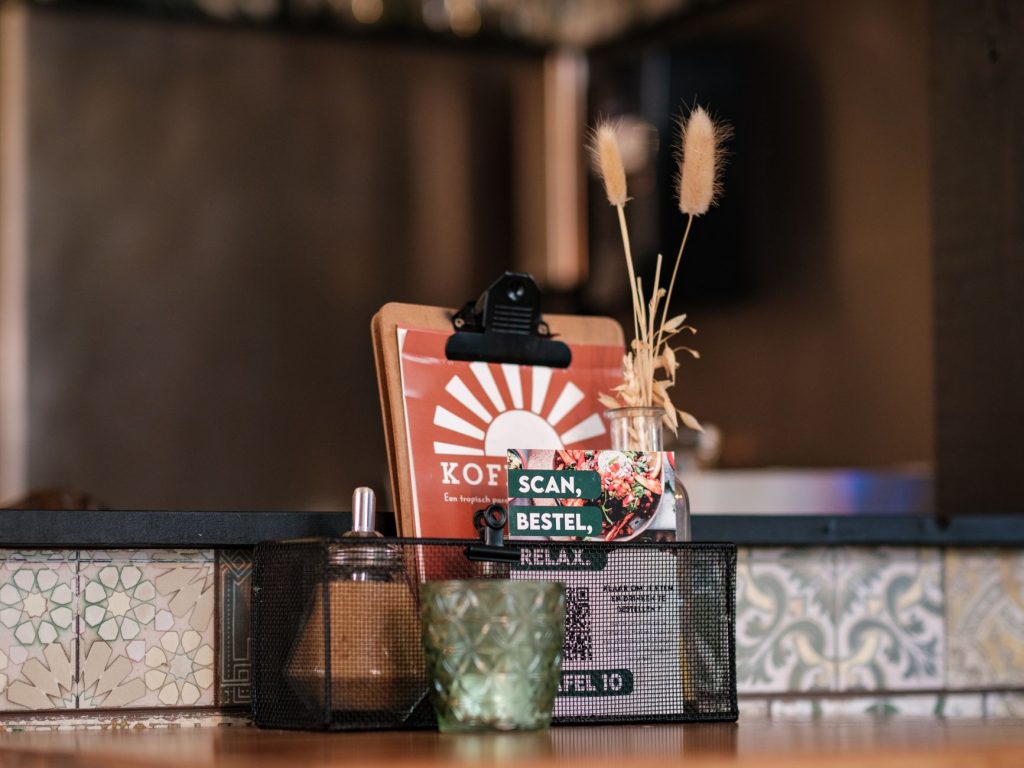
Keep every profile aligned with the restaurant experience because social media is often a diner’s first impression. Use the restaurant’s name in each profile URL and keep names and handles consistent across platforms, with its location added wherever possible.
Improve search visibility for profiles and posts with clear, descriptive captions that include relevant keywords. Tag the city and neighborhood, with the specific venue location included, then add relevant hashtags to make the context clear. Platform limits differ: Instagram allows 5-15 per post, while TikTok and Facebook allow 3-5 per video and 1-3 at most, respectively. These details help customers find useful posts and the information they need to book or order.
Community Engagement and Guest Care
Quick replies to social activity give diners a clearer path from finding you to returning. Active engagement is associated with a 20% increase in customer retention, while 71% of customers receiving a quick social media response recommend that brand to others. Answer questions and concerns promptly, because people feel looked after and become more willing to visit again.
Daily Interaction Routines
Set aside a 15-minute daily engagement routine to answer customers, stay connected locally, and keep track of user-generated content without turning it into a complicated task.
- Respond to every comment and DM from the last 24 hours (5 min).
- Like and comment on tagged posts from customers (3 min).
- Engage with 5-10 local accounts, including food bloggers, neighboring businesses, and community pages (5 min).
- Check your branded hashtag and reshare any great UGC (2 min).
Treat each comment with a like or reply, then follow loyal customers and related local businesses when they appear on your page.
Review and Complaint Resolution
Guest satisfaction and service fixes come from calm feedback monitoring: recognize the problem, apologize when warranted, suggest a private follow-up, invite private conversation, and remember that public debate invites a crowd. A prompt reply through your channels prompts 71% of customers to recommend that brand to others.
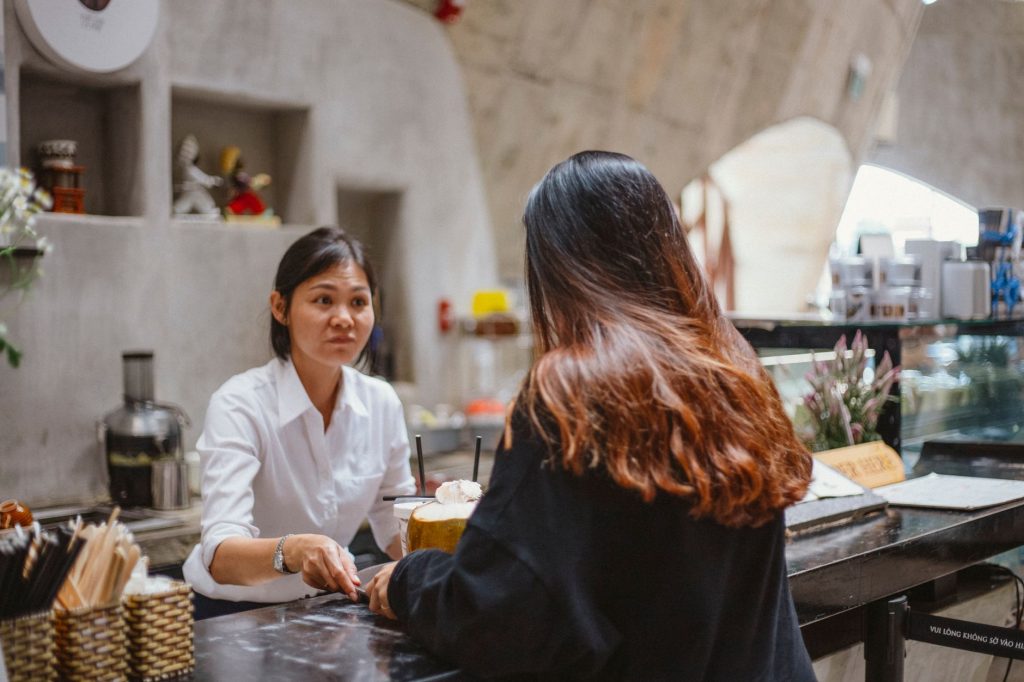
Handle negative reviews promptly and professionally, then move toward an offline solution. Show that you care about fixing the customer’s experience, and never argue publicly with customers or trolls on social media.
Remove a negative comment only if it’s abusive. Other customers see how you handle criticism, and a measured response can build trust in your brand. Respond to positive feedback with equal care, since timely communication shows that diner satisfaction matters to you.
A diner might complain about slow drinks during a packed weekend. Arguing in the public feed draws more people into the exchange, while acknowledging the frustration and providing a manager’s direct contact can settle things quietly.
Audience Feedback and Interactive Polls
Use guest opinions to guide restaurant decisions rather than relying on your best guess. Put a question in front of them through an interactive poll with one tap.
Keep replies moving by ending comments with a question. Rather than posting only “Thanks! 😊”, try, “Thanks! Have you tried our new truffle fries yet?”
Listen closely when followers respond. Their food-preference questions can give you free customer research and help guide the next menu.
Impact on Restaurant Revenue and Brand Growth
When at least 74% of diners turn to social media to decide what to eat next, those channels lead straight to reservations and orders. Because 84% of users prefer food-and-drink photos, pairing those images with online ordering options can shape their choice. Social media has also been where 57% of diners have made a reservation directly.
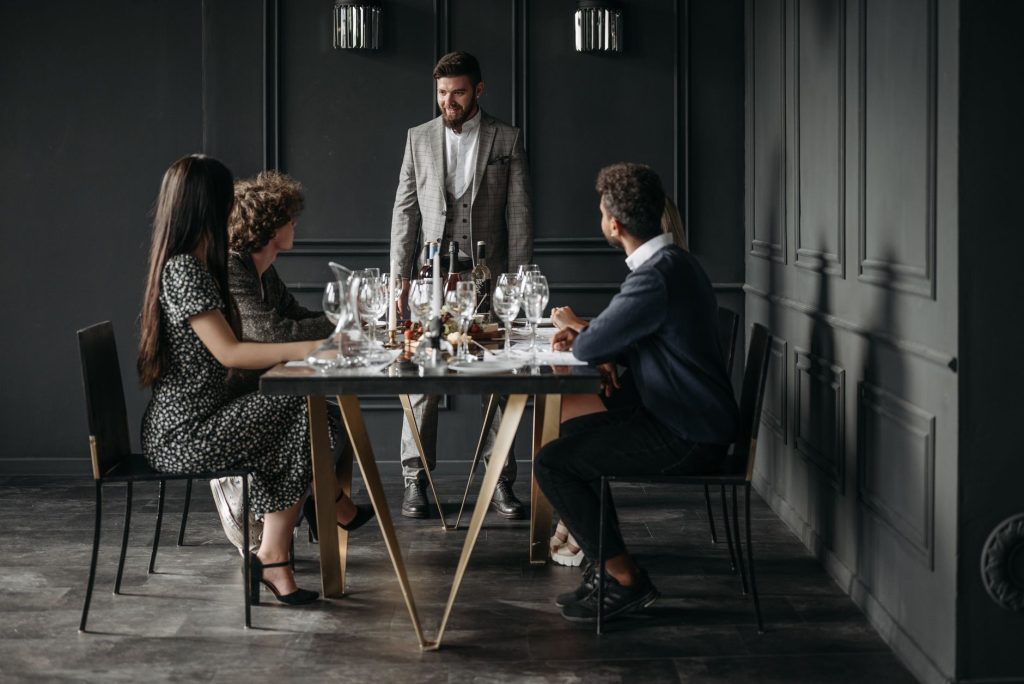
A distinctive culinary story can build longer-term value for a restaurant. Chefs can feature inventive dishes and signature recipes, while behind-the-scenes content and local or sustainable sourcing help the restaurant stand apart. Regular customer interaction can build a loyal community, repeat business, and word-of-mouth promotion. Customer photos and reviews add authenticity and deepen loyalty.
Links to the restaurant’s website can drive traffic to online reservations and may also lift search rankings, improving visibility.
Frequently Asked Questions
Why is social media marketing important for restaurants?
But nearby diners now use social media as part of the restaurant decision, not just for entertainment. The numbers explain why: 54% of consumers discover restaurants on social platforms, and, According to the Q2 2026 Pulse Survey, 38% of users prefer social search over traditional search. Social media prompted 45 percent of diners in the U.S. to try a restaurant. The average diner spends 40 minutes researching restaurants on social media before booking.
Which social media platform is best for restaurants and bars?
Instagram gets the strongest engagement from restaurant brands, while TikTok and Facebook connect with diners through different habits and purposes.
Among restaurant brands, Instagram leads all platforms at #1 for engagement, so make it the first priority in your platform plan.
TikTok
How often should a restaurant post on social media?
Set a steady feed rhythm, add daily updates through disappearing story channels, and keep each platform’s pace predictable, including 3-5 videos per week and 3-5 posts per week where they fit.
- Regular feed posts: Publish three to five high-quality feed posts each week, with daily updates on disappearing story channels.
- TikTok: Post 3-5 videos per week.
- Facebook: Publish 3-5 posts per week.
What is the best time of day for a restaurant to post?
Posting tends to perform best in the late morning or late afternoon, with the clearest restaurant guidance falling on Monday through Thursday, 2-5 p.m.
Late morning
Late afternoon
For that timing guidance, post on Monday through Thursday, 2-5 p.m. across Instagram (food & beverage) and TikTok (restaurants).
What is user-generated content for restaurants?
User-generated content, known as UGC, means unpaid, unsponsored posts from real diners and visitors. It carries the feel of word-of-mouth because guests are sharing real experiences at restaurants and bars, which gives this content built-in trust.
How can I get customers to tag our restaurant on social media?
Configure the wi-fi splash page to send connected guests to your Instagram or TikTok account while they’re already using the restaurant’s network.
That small step makes your accounts easier for guests to locate during their visit, when the venue’s wi-fi is already in use.
How do restaurants get more followers on Instagram?
Bring in local followers with area tags, short plating reels, and conversations about local food. A 15-second plating reel can reach 5-10x as many people as a static photo post, putting the restaurant in front of diners already interested in the area and its food.
- Use local tags: Tag your city, neighborhood, and specific venue location.
- Post plating reels: A 15-second plating reel can reach 5-10x more people than a static photo post.
- Join local food communities: Engage with local food communities in Facebook groups or on Instagram to root your restaurant in local culture and make it a go-to spot for local foodies.
Should restaurants use paid social media ads?
Yes, especially when promotions, new menu launches, events, or slow periods need a quick boost; target a radius of 1-10 miles around the restaurant location.
How long does it take for social media to bring in new restaurant customers?
Paid ads may bring new restaurant customers sooner, with results arriving within 2 to 4 weeks.
Can a restaurant handle social media marketing without hiring a specialist?
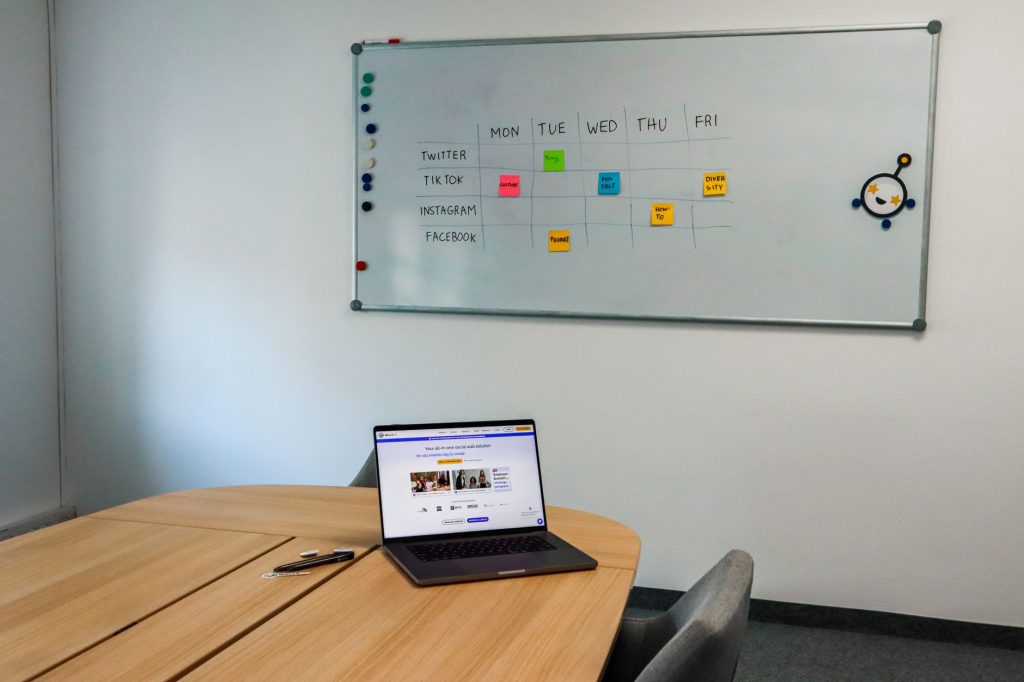
You can keep social media inside the restaurant by giving owners and front-of-house employees short daily blocks and a structured content calendar to follow.
Owners and floor staff
Owners and floor staff can handle the accounts themselves when they protect small daily time blocks and stick to a structured content calendar.
A content calendar
The content calendar gives the restaurant team the plan they need to manage the accounts internally.
How much should a restaurant spend on social media marketing?
Begin with the social media marketing tools you actually need. FoodShot AI starts at $15/month and offers an AI food photo editor, far less than one professional photo shoot, and you can raise the budget as results come in.
What are the best practices for managing negative reviews on social media?
Respond to praise, then deal with criticism through a calm, fast, and consistent review process.
- Respond publicly, calmly, and quickly; acknowledge the issue, apologize if warranted, and invite the customer to continue privately.
- Respond promptly and professionally to negative reviews, offer to resolve the issue offline, and show genuine interest in improving the customer’s experience.
- Never fight with customers or trolls on social media.
- Never delete negative comments unless they are abusive; other customers are watching, and a graceful response can build trust in your brand.
- Acknowledge and appreciate positive feedback to show your commitment to diner satisfaction.
For social media marketing for restaurants, the choices come down to matching your platforms and posting pace to nearby diners, then using timing to stay visible. Give guests a simple way to share what happened at the restaurant, turn to paid social media ads when promotions, slow periods, or other timely pushes call for them, and keep the work in-house when your team can follow a content calendar. Track the response through restaurant customers, reservations, and how people respond to your reviews.