
A successful B2B content marketing strategy runs on cold math. An asset that fails to measurably speed up a complex sale is expensive corporate vanity. The goal is to publish materials that quietly disarm internal blockers before the sales team ever logs on, because a single department can veto an entire deal.
Trace your won deals backward to map the exact objections stakeholders raised, then drop precise answers into your content to wipe out those doubts early. Without this alignment, you’re just guessing at what buyers care about (I certainly did).

Define Goals and KPIs for Your B2B Content Marketing Strategy
Map every milestone to a specific asset before writing a word. Content lacking a direct, trackable tie to pipeline velocity is expensive corporate vanity. Every piece of collateral has to measurably accelerate a complex, multi-stakeholder sale, and the revenue engine needs proof of work from every campaign you launch.
Set Clear Business Goals and KPIs
Build systems that divide credit across multiple digital touchpoints so you can see what actually drives a purchase. Most teams rely on first-touch models that give all the credit to the very first thing a prospect clicks, which stays blind to the rest of the buyer journey. A multi-touch attribution framework fixes this.
The data on why this matters, according to the Content Marketing Institute:
- Only 51% of B2B marketers can effectively track asset performance.
- 56% find tying ROI to published materials extremely difficult.
- 56% consider tracing the buyer journey a main challenge.
Setting this up takes time, but you can’t afford to guess when the data looks this grim.
How to Actually Prove Content ROI
Build isolated CRM dashboards that track exact conversion formulas across your specific channels. Finding real ROI means slicing your pipeline data by industry and lead source, so your high-performing webinars or word-of-mouth channels don’t hide the terrible numbers coming from your gated assets.
Set up separate views in Google Analytics for meeting requests and ad spend to isolate the data immediately. Evaluate pipeline success with the SQLs ÷ MQLs × 100 calculation and track outcomes through HubSpot, Salesforce, Microsoft Dynamics 365, or Google Analytics. For years I just looked at raw traffic numbers and thought I was doing great.
Key Metrics That Matter (Not Vanity Ones)
Track conversion velocity from MQL to SQL, not raw MQL volume. A high MQL count means nothing if those leads consistently fail to become Sales Qualified Leads. Poor conversion speed points to one of two problems: your articles attract unqualified readers, or your internal qualification definitions are broken.
MQL to SQL conversion benchmarks by industry, per the RevOps Report:
| Industry | Normal | Top performers |
| B2B SaaS | 13-15% | 20-30% |
| Financial services | 15-20% | — |
| Healthcare & manufacturing | 8-12% | — |
Conversion also changes significantly by lead source:
| Lead source | Conversion rate |
| Direct evaluation signups | 40-60% |
| Warm introductions | 30-50% |
| Gated resources | 8-15% |
| Cold outbound | 5-10% |
Treating every form fill like an identical victory is a mistake. I made it for years, treating every download as a win. Track the velocity, cut the dead weight, and focus on what actually closes.
Define Your Audience, Topics, and Funnel
Map exact problem-awareness stages to specific members of the buying committee, or you will attract traffic that inherently cannot buy. Bringing in massive traffic numbers is useless if those visitors lack the authority to cut a check.
I learned this the hard way. We threw away eight months building top-of-funnel views, only to find we were catching junior staff who had zero budget and could not champion our tool internally. Set strict constraints around your audience right at the start.

Pinpoint Your Audience and Ideal Customer Profile
Draw a hard line between the broad company profile and the specific person holding the corporate credit card. Figure out exactly who can legally buy your product, and write strictly for them. Early on, I was so scared of shrinking my total addressable market that I wrote for anyone who would look at my site.
- Ideal Customer Profile (ICP): the target company, such as a business in North America with 200-500 employees.
- Buyer persona: the specific humans inside that building you must persuade, such as an IT Director or a VP of Marketing.
Find What Your Audience Is Actually Searching For
Run real search intent analysis with proper tools to uncover the exact questions budget holders ask. Boot up Semrush to map the phrases with real money behind them, and dig through Google’s “People Also Ask” blocks for fresh angles when you need them. Stop making wild guesses about what those budget holders care about.
Map Your Content to the Buyer’s Journey
Assign every post to one of three funnel stages so it serves a clear conversion goal:
- ToFu (Top of funnel): materials designed purely to generate initial awareness.
- MoFu (Middle of funnel): assets that push solution consideration and supply proof.
- BoFu (Bottom of funnel): resources that drive final purchasing decisions.
Before we tracked pipeline numbers, I published random blog posts that had no path to a sale. Put rigid walls around your ideas to prevent this.
Use a Framework for Your Content Marketing Strategy for B2B
Design your words to pull buyers through specific states of problem awareness, using the model built by Eugene Schwartz. My early playbook pitched deep feature sets to readers who had no clue anything was wrong.
| Awareness stage | What they know | What to give them |
| Problem unaware | Blind to their own bottleneck | Expose the hidden costs |
| Problem aware | Hit a catalyst, now sees a clear operational obstacle | Name the exact pain |
| Solution aware | Actively checking out different methods | Introduce categories of remedies (DIY, custom software, hiring a Content Marketing Agency) |
| Product aware | Already picked a group of software to implement | Compare your features against competitors |
| Most aware | Narrowed to a final pair, weighing trade-offs | Hand over the pricing sheet |
Brainstorm Content Ideas with Topic Clusters
Build a pillar-and-cluster architecture to gain SEO authority by exhausting connected topics. Pick a giant topic, chop it into smaller pieces, and link everything to capture the whole search landscape. The engine has four parts:
- Keyword Research: maps the foundational terms at the base.
- Pillar Content: a massive, unified asset giving a broad overview of the whole subject.
- Cluster Content: deeply specific articles that analyze a single micro-topic.
- Internal Linking: every spoke article connects straight to the pillar page, and the pillar links back to every spoke.
Create a Content Calendar
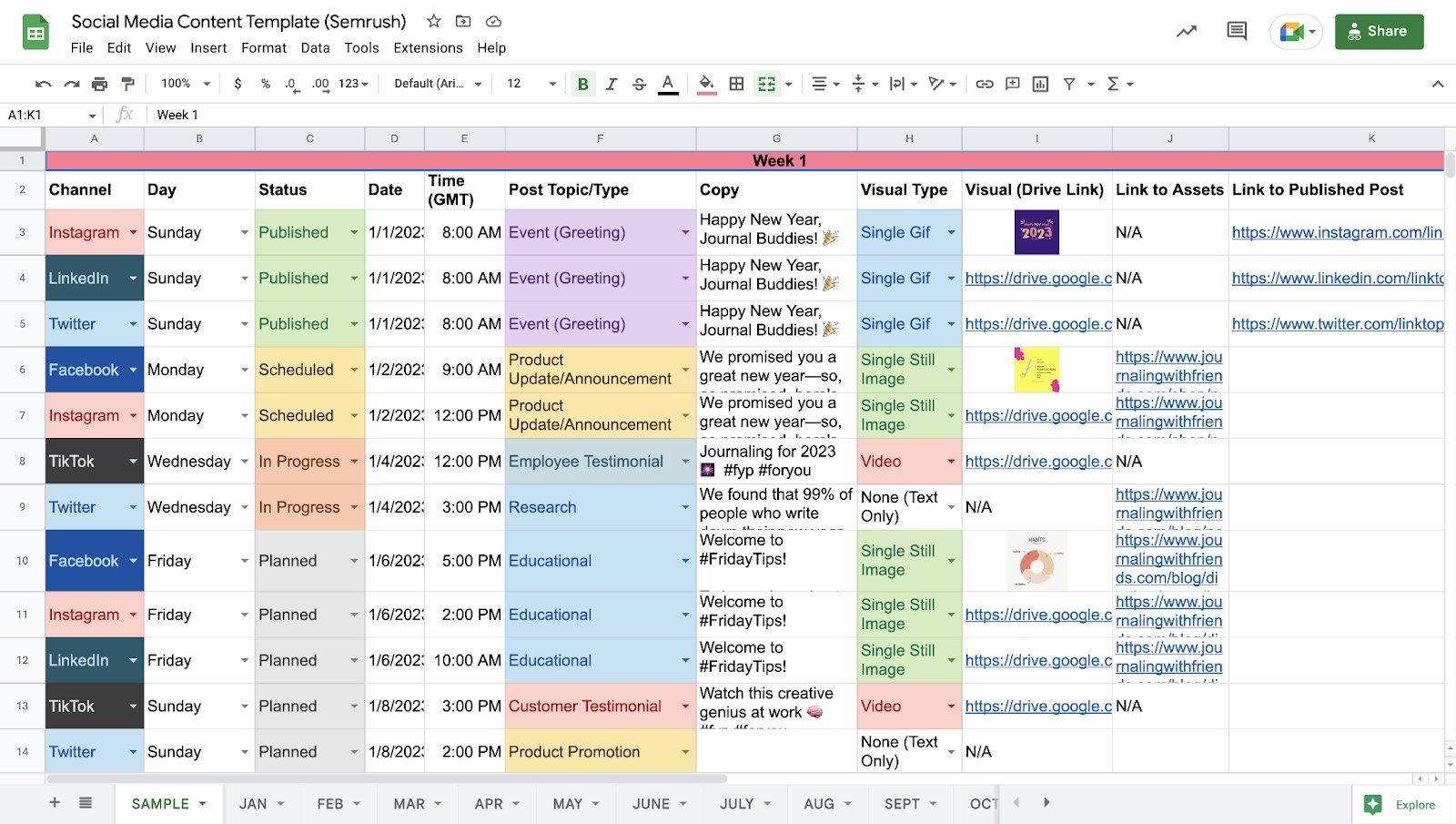
Outline your themes and publication formats at least three months into the future. Predictability requires a strict plan. I used to write whatever felt good on a Tuesday, and there is no fallback for that.
Choosing the Right B2B Content Marketing Tactics and Formats
Match every format choice to whatever is blocking the buyer from making a decision. If you pick a format because it’s easy to pump out, you’ll jam up your pipeline and dump more noise into the market.
Build Authority with Blogs and In-Depth Guides
Publish massive cornerstone pieces that pass 2,000 words to anchor your organic rankings and demonstrate industry expertise. A shallow overview sends serious buyers running to competitors, because a prospect with a deep technical question expects a thorough answer.

Generate Leads with White Papers and Reports
Lock your heavy engineering specs and dense research behind a form, and ask for an email in exchange. This separates window shoppers from people ready to buy and builds a highly targeted directory of buyers who need immediate solutions. If they bounce, let them walk away.
Use Case Studies and Testimonials for Social Proof
Hand your sales team detailed case studies the minute they’re constantly defending your value against entrenched competitors. Prospects might nod along during your pitch, but when they stack you up against the big players, they want cold proof. Case studies give reps the exact evidence required to win.
Engage Audiences with Video, Webinars, and Podcasts
Use video for highly specific friction points where showing beats telling. A quick video tutorial can explain a clunky onboarding flow in two minutes, with no reason to make users read a manual. Running a webinar draws out the most serious prospects from the network you already have.
Use Interactive Tools to Engage Buyers
Offer interactive resources like a Project Delay Cost Calculator so doubtful prospects can measure their precise financial bleed. If a skeptical client is pushing back on the monthly licensing fee for your project management software, you can skip the abstract promises entirely.
They type in their team size and how often they get delayed. The tool instantly shows the thousands of dollars dropping every quarter, turning your software from an expensive nice-to-have into an obvious financial win.
Create Post-Sale Content for Customer Retention
Publish continuous educational content that guarantees the people doing the work adopt your platform after the deal closes. Customer churn will gut your revenue engine. Map their exact daily workflows and give them clear instruction manuals so the team integrates the platform into their everyday routine.
Repurpose Your Content to Maximize Its Value
Adapt your formats to stretch your reach far while keeping the work low. An exceptionally successful article from last year can become a visual graphic, an audio segment, or a sequence of short social updates.
The full sequence of matching the right asset to the right block in the pipeline:
- Kick off with massive blog posts to drive search engine visits.
- Lock down high-intent prospects in your network with a white paper or webinar.
- Hand reps a case study the moment they defend your product value against rivals.
- Spin up a video tutorial to explain a complicated onboarding system.
- Drop short video clips or quick text posts on LinkedIn where your targets congregate.
- Save the deep guides for analysts actively investigating a purchase.
B2B Content Marketing Best Practices: Getting Content to the Right People
Treat publishing as the starting block for a structured campaign designed to penetrate strategic accounts, not the finish line. The distribution method dictates whether a piece accelerates a sale or sinks quietly to the bottom of the internet.
I used to spend weeks building a deep guide and assume the hard work was done once it was live. Build a deliberate distribution engine instead of waiting for algorithmic luck. If you lack the hours to run it properly, hire a B2B content marketing agency or scale back the production calendar.
Build Your Content Distribution Plan
Keep promoting written materials for months, because enterprise buying cycles often stretch that long and your content serves as the primary anchor keeping the brand fresh. I used to promote a new asset for about a week before getting bored and chasing the next project. There is no luxury of giving up that quickly.
Using LinkedIn for B2B Engagement
Push work directly to exact buyers by dialing in your audience parameters to target specific company profiles or daily roles. If the initial list is too big, narrow the job titles until you hit the precise profile needed.

For organic posts, structure them in four parts:
- Hook (1-2 lines): open with an unexpected query or a declaration that disputes a standard industry assumption.
- Context block (2-3 lines): summarize the core operational challenge and outline extracted knowledge using bullets for easy scanning.
- Call-to-action (1 line): tell them exactly what to do next.
- Tags (3-5): mix general and niche terms like #B2BMarketing to organize the conversation.
Nurturing Leads with Email Workflows
Rely on sequential email messaging to gradually walk early-stage readers to the threshold of becoming sales-ready leads. A single giant newsletter blasted to every contact ignores where those contacts sit in the buying process. The sequence does the work, because these prospects won’t be rushed.
Use Employee Advocacy and Partnerships
Get peers and coworkers to amplify your work to expand the audience naturally, without a massive paid budget. When I first faced this, I was terrified of asking anyone to share my writing and hid behind paid ads.
Set up co-creation agreements to form joint ventures with friendly sector peers or happy clients. Once those market guides or customer success stories are co-authored, internal employees can broadcast the shared materials across social networks and industry forums.
Personalize Content with Account-Based Marketing
Save intense personalization strictly for the absolute best-match, highest-revenue clients where the projected payout justifies the cost. Account-Based Marketing delivers really high interaction rates when done right, but customizing resources at that granular level takes a tremendous amount of labor and money, so it cannot scale across your entire database. I got greedy chasing those numbers early on and learned that the hard way.
Advanced B2B Content Marketing Strategies to Stand Out
Build things a machine can’t copy, and the only reliable moat left is proprietary data. Generative text makes mass production look cheap on a spreadsheet, but it ruins your pipeline because buyers actively ignore generic noise. Market leaders pay that toll in hard resources.
Building Thought Leadership and a Unique Brand Voice
Place your viewpoints on outside platforms and publish original studies run by Subject-Matter Experts (SMEs) to win top search spots. Pitch your written ideas straight to editors at publications in your sector, and if one desk says no, pitch a different one.
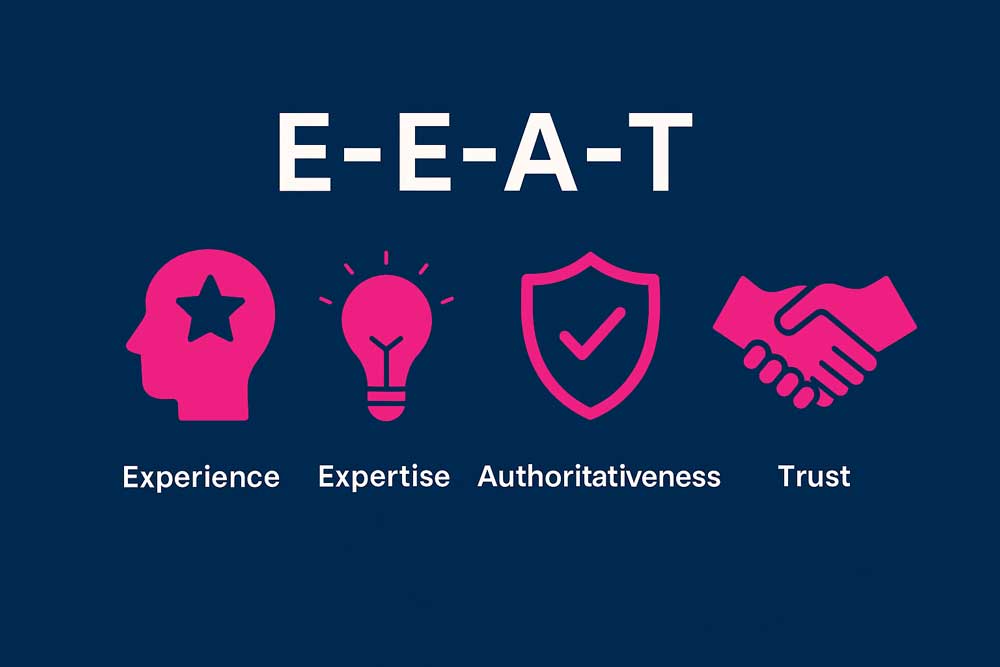
Third-party placements build critical E-E-A-T (Experience, Expertise, Authority, Trust) signals, which Google Search treats as massive ranking factors. Original SME research is non-negotiable now that synthetic text chokes the internet and platforms like Reddit capture user attention. Buyers completely ignore recycled, generic noise.
Leverage Proprietary Research and Data
Create original research from resources you already have, without spending a fortune. Three practical routes:
- Mine your own internal data: strip out personal details and group statistics from your current client base to show bigger operational trends.
- Combine public data: act as the first analyst to merge open databases and pull a fresh story out of disconnected sources.
- Run an expert roundup: gather answers about a single urgent topic from 10-15 prominent specialists instead of polling thousands.
This leaves an authoritative industry footprint competitors can’t copy, though it takes a long time and serious capital. Look at what Ahrefs did in 2017 when they released empirical facts instead of opinions, digging into their own database of search records to answer how long it takes to rank on the first page. That report grabbed nearly 3,000 referral links from roughly 1,700 distinct domains and kept pulling them in for six solid years.
The Role of AI in Content Planning
Verify every fact before publishing machine-written text, because accuracy and corporate trust are the major points of friction with these tools. Software that writes for you cuts manual hours and speeds up production, but pasting unedited output straight into your publications will ruin your reputation and drag down your search visibility.
Recent Content Marketing Institute data on AI adoption:
- 81% of B2B marketing departments run automation platforms like ChatGPT, Claude, and Perplexity.
- 35% of those who avoid the tools cite accuracy of information as their main concern.
There’s no shortcut around human verification.
Understand the B2B Playing Field
Accept that committee dynamics dictate how you build your marketing assets. Business buyers rely on group consensus, so treating a corporate software evaluation like an impulse shoe purchase kills the deal. Every piece of text must prove the tool makes strategic sense and delivers results for the executives signing the check.
Your Real Audience Is a Buying Committee
Hand clear technical specs to the engineers and map out the money for the finance department, because your true audience is a divided room demanding evidence tailored to each department’s headaches.
Arm the person who will log into your tool every day so they can act as your internal champion. They’re the ones who must convince the operations director the integration is safe and talk the budget owner into approving the deal. In a tiny startup, a single founder might play all three roles.
Why Long Sales Cycles Change Everything
Build a sequence of materials that keeps attention alive across a procurement path that drags on for several quarters. Business content has to do the heavy lifting of building trust over many months, while consumer brands can tap raw feeling for a quick checkout.
Buyers spend far more time reading your documentation at every step, and a live rep usually guides them through the final phases, but your written materials have to do the talking when that rep isn’t in the room. Gartner tracking shows commercial purchase timelines take 6-12 months longer than a standard retail transaction.
Common Mistakes That Kill Your B2B Marketing Content Strategy
Let the engine run long enough to compound instead of shutting it down the moment leads don’t spike. Businesses need assets that sell while you sleep to keep buyers engaged between calls. Without the patience to let the machine run, you’re funding an expensive corporate hobby. I watch companies make this mistake every week.
Quitting Your Strategy Too Soon
Leave the work alone past the six-month mark, because pulling the plug early means eating production costs while sacrificing the actual revenue windfall. I used to panic over slow traction and shut down perfectly good campaigns at month five.
Keep the workflow simple, since excess red tape exhausts your staff before they reach payoff. According to HubSpot’s 2025 State of Marketing Report, 22% of practitioners credit their company website and blog for delivering maximum ROI over the prior twelve months, and that only happens when you let the strategy run its course.
Old, Outdated Content
Search your archives to update bad claims, fix broken numbers, and scrub errors, because outdated content silently tanks deals. Leaving an outdated pricing sheet live wrecks a buyer’s trust right when they’re ready to sign. Old materials require careful monitoring.

Poor Sales and Marketing Alignment
Meet your commercial lead to uncover the topics you actually need to cover, since marketing departments in a vacuum write fluffy theory that ignores real objections. Two concrete moves:
- Top 5 Customer Questions: ask reps which five queries they address during every introductory presentation, plus the objections they hear repeatedly on pitch calls.
- Establish a Feedback Loop: book a 30-minute alignment session and set up a simple channel, like a #content-feedback Slack channel or a shared Google Doc, for reps to send buyer questions and asset suggestions the moment a call ends.
B2B Content Marketing Examples
Fix the boring daily stuff by building clear, step-by-step guides for the real headaches buyers face on the floor. Broad industry opinions earn a quick round of applause from your peers but rarely move a deal forward. Organized, useful answers turn random readers into a steady pipeline.
Example 1: HubSpot’s Inbound and SEO Mastery
HubSpot grabs early users by handing them deep guides for standard daily problems, answering the boring operational questions buyers actually type into search bars. Over time they swallow up all that organic traffic and became the ultimate reading room for marketing and sales professionals. My darkest period went into polished, witty essays that brought in no money.
Example 2: Grammarly’s Problem-Awareness Content
Grammarly attracts early prospects with a rapid text review that requires zero registration, then builds a funnel that moves single users toward massive corporate deals. Long blog posts on spelling and punctuation capture problem-unaware buyers, which is why organic spelling queries drive 68% of their inbound traffic. Major enterprises including Salesforce, Expedia, and Blackrock now subscribe.
- Problem-unaware: extensive blog articles on spelling and punctuation, plus a complimentary diagnostic checker.
- Solution-aware: corporate use cases featuring recorded discussions from end-users and team directors.
- Late-stage: a direct comparison page evaluating their practical advantages against ChatGPT.
Example 3: Niche Success Stories
Build exactly what your vertical demands to dominate a specific space. McKinsey & Company operates as an elite global consulting firm, Sprout provides a customer success hub with integrated evaluation utilities, and Mimecast functions as a digital communication security vendor with a highly unique brand tone.
Essential Tools and Resources
Audit your real team bandwidth before signing a software contract, because buying complex marketing software does little good without the internal people to run it consistently. A shiny dashboard won’t write your research reports. Delegating deployment might look cheaper on a spreadsheet, but you just trade a simple staffing shortage for a brutal software integration.
Content Marketing Software and Platforms
Natively link your core sales system with external interactive tools so the content engine runs as one operational loop. One example stack:
- Pipedrive: the central database capturing your new inquiries.
- Campaigns: the specialized broadcast service working directly inside Pipedrive.
- Outgrow: the external builder syncing seamlessly for interactive designs.
- involve.me: an alternative external builder snapping in for those same interactive assets.
Assess Your Internal Capabilities and Resources
Secure reliable internal bandwidth across standard marketing categories before buying enterprise software.
Top-tier stacks monitor website visitors with Google Analytics, handle customer connections with HubSpot, encourage engagement on Sprout Social, and produce graphics with Canva, and these tools integrate naturally with no forced data migration.
Early on I bought huge platforms just because I felt too intimidated to execute campaigns manually.
Firms without huge budgets can set up highly effective stacks at almost no cost. During a period of severe technical incompetence, I manually copied search volumes into spreadsheets for six months just to avoid a monthly fee. Build the foundation for free instead:
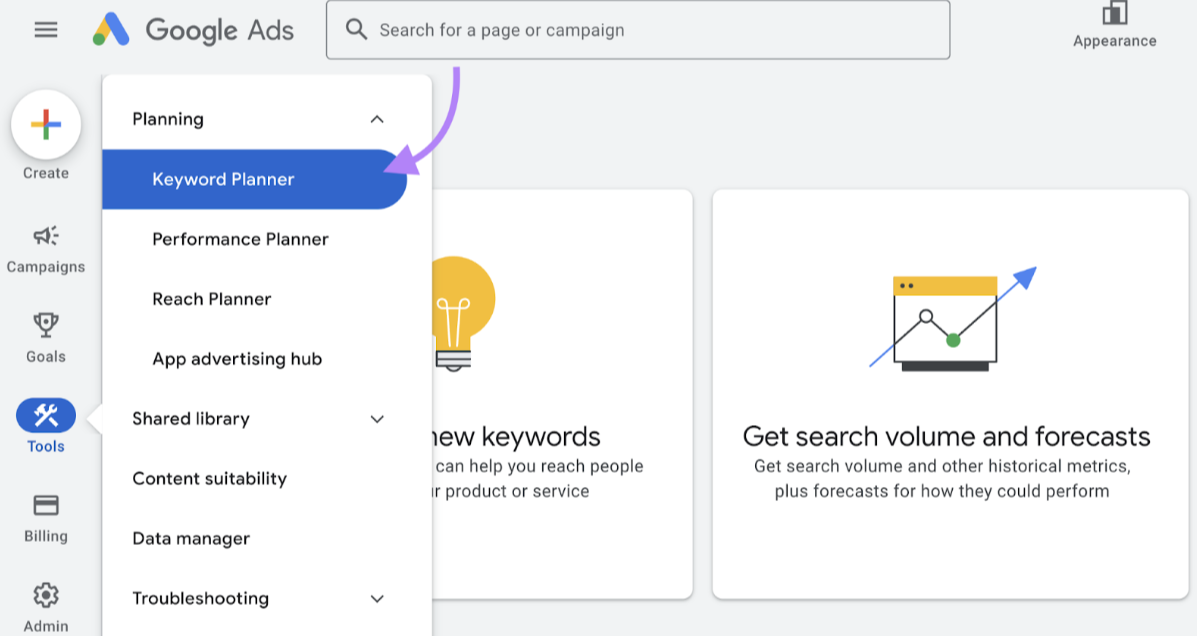
- Free SEO research: Google Keyword Planner or Ahrefs Webmaster Tools.
- Email and CRM: the inexpensive tiers of MailerLite or HubSpot Starter.
Audit your requirements, claim the free tiers, and walk away if a vendor demands a massive upfront check.
FAQ
What is B2B content marketing?
B2B content marketing is the practice of handing solid financial proof and logical arguments directly to a complicated buying committee. It systematically answers objections from different departments, supplying verifiable ROI and logical proof to actors ranging from technical operators to the CFO managing budgets. Unlike retail campaigns that trigger quick purchases based on feeling, it builds a case for a dense internal evaluation unit.
How is B2B content different from B2C?
B2B content delivers steady educational materials over several fiscal quarters, because corporate teams need massive amounts of education before approving a big software spend, while consumer purchases happen fast. A documented framework keeps your team from giving up mid-cycle. Gartner data confirms an average corporate purchasing process takes 6-12 months longer than a standard retail customer journey.
What types of content work best for B2B?
Heavy research formats pull in the biggest corporate returns, and you can break those large assets down to expand your footprint efficiently. As you plan for 2026, the highest-potential formats are:
- In-Depth Blogs and Ultimate Guides
- Original Industry Research
- Customer Case Studies
- White Papers and eBooks
- Repurposed formats: Infographics, Videos, and Webinars/Podcasts
Ignore shallow listicles, since they don’t accelerate your pipeline.
How long does it take to see results from B2B content marketing?
Expect to wait well over six months before foundational content builds enough authority and trust to convert a single buyer. These materials have to map tightly to long procurement cycles before real pipeline momentum starts. Conversions don’t happen overnight.
What is the B2B content marketing framework?
The 4 C’s define the game plan by mapping every asset to the audience, the fix, the timing, and the placement:
- Customer: find the core friction points in their daily operations.
- Content: make helpful information that solves those problems.
- Context: send the right message at the exact phase of their evaluation path.
- Channels: broadcast where your targets hang out, like LinkedIn.
Grade every campaign against all four metrics.
Corporate publishing is a strict mathematical engine. Securing trust means you need assets that answer specific objections for the exact people holding the money. Map your pipeline. Measure your velocity. If you find a bottleneck, fix it. The companies that win avoid poetic distractions completely. They secure long-term revenue because they out-execute competitors on their B2B content marketing strategy, distribution, and logical proof. They just run the engine daily and wait for the numbers to compound.