
You have jobsite expertise and project results; the challenge is making them useful proof for a buyer deciding whether to trust your company. Content marketing for construction can help bridge that gap—but a project result can look impressive on site and still leave buyers unsure what it proves.
You’ll get practical ways to choose formats, build useful website content, make guides and visuals easier for buyers to use, and assess whether the work is reaching the pipeline.
Which Content Formats Work for Construction Companies?
Case Studies
Site constraints
A construction case study earns its place when it captures an unforeseen site limit, the engineering choice made to handle it, and how that choice kept the project on schedule. Identify the engineering decision made in response to the site constraint. State the challenge, the solution, and the result clearly.
Project proof
Lay out the problem, project scope, limits, fix, timing, and outcome. If you have permission, include photos, timelines, useful figures, and quotes from named clients. Detailed case studies also mirror best b2b content marketing examples from top B2B campaigns.
Niche specialization
A clear specialty can help a contractor stand out in a crowded field. One firm cleared all residential material from its website and devoted it solely to commercial work. The firm saw a 40% increase in project inquiries and emerged as a leading option for large commercial contracts.
Jobsite Progress Galleries
A project gallery should trace what changed, from planning through craftsmanship to the effect on the client’s business, rather than show finished looks alone. Keep the customer at the center of each entry. When you feature a completed job, explain what it did for the client instead of using it to advertise your own craft. Make the transformation visible from one stage to the next. These formats can show progress:
- Framing progress photos
- Drone footage of site progress
- One before-and-after graphic for the website and social channels
Technical Guides
Buyer questions
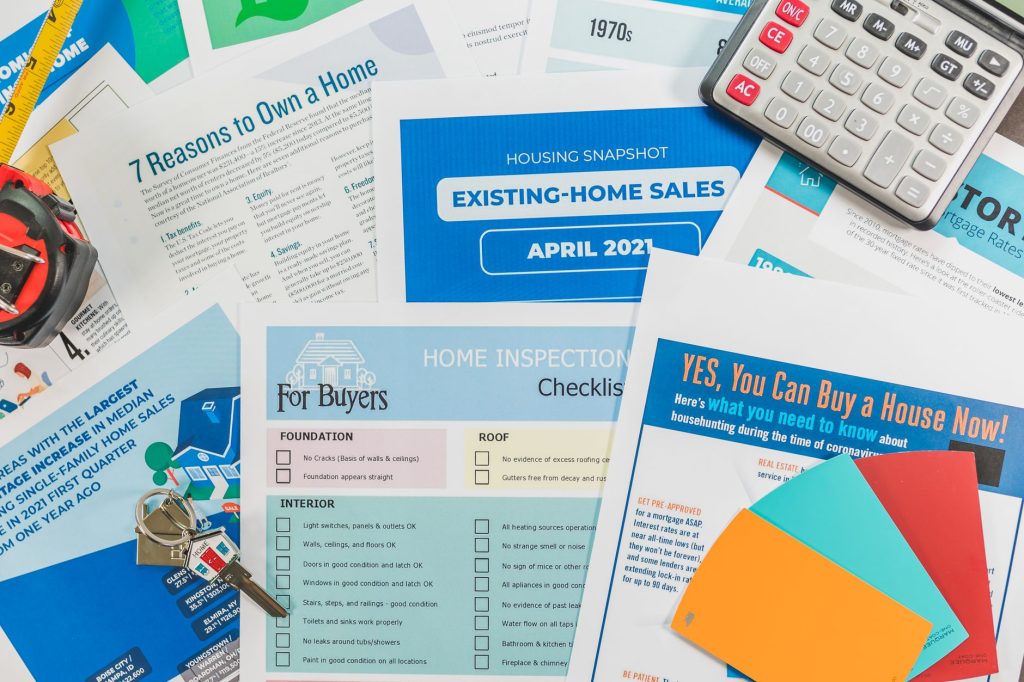
Use construction guides to tackle buyers’ common questions and concerns through blog articles, downloadable guides, video tutorials, or an FAQs podcast episode. Cover building codes, permits, sustainability practices, and new construction techniques.
Long-form posts
A long-form blog post runs around 1,000 to 1,200 words, though posts of 800 or 900 words can also work. Shorter posts may rank lower in search when stronger information is already available elsewhere. The extra length takes effort because you have to find enough useful material to fill it. In return, a strong post can keep drawing steady engagement for several weeks, if not months.
Video Walkthroughs
A short jobsite video can track progress, explain a construction detail, introduce the team, or show how a problem was solved. In home building, viewers can watch a repair or construction task unfold, seeing both the skill involved and the process behind it. Keep the format personal so people can connect with you directly. For instance, make a 60- to 90-second walkthrough for LinkedIn and YouTube.
Testimonial Showcases
Client experience
Ask satisfied clients to describe the specific problems you helped solve and the benefits they got, with enough detail to make the story useful. Put positive reviews where people can see them on your site and across platforms, building credibility and trust with new prospects.
Video testimonials
Combine written testimonials with video testimonials to make the client’s words feel more personal.
Review requests
After each successful project, ask directly for a 5-star review and make the request routine.
How to Structure a Construction Website Buyers Trust
Around the clock, a construction website serves as a 24-hour qualification system: each page answers a buyer’s question and moves them closer to a conversation.
Core Trust Pages
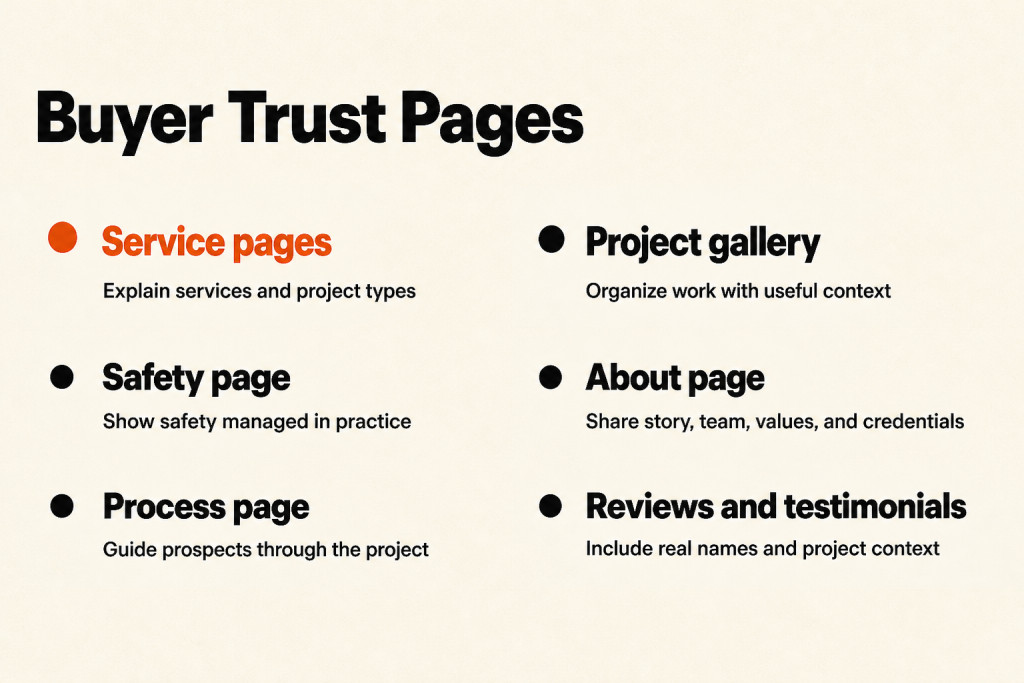
Core trust pages help prospects see your services, past projects, team, safety practices, process, and the best way to reach you.
- Service pages: Create one page for each meaningful service, market, or project type; “Medical office build-outs” gives buyers more detail than “commercial construction.”
- Project gallery: Organize work by industry, project type, geography, or scale, and provide useful context alongside the images.
- About page: Explain the company story, leadership, values, credentials, service area, and what makes the company’s operating model different.
- Safety page: Show training, protocols, accountability, relevant ratings, and how safety is managed in practice.
- Process page: Guide prospects from the initial conversation through preconstruction, execution, closeout, and ongoing support.
- Reviews and testimonials: Include real names, companies, roles, project context, and video when available.
- Contact page: Provide a phone number, email, form, location, service area, and a realistic expectation for response time.
Content Quality Signals
Buyers should look for specific project proof, buyer-focused service information, documented safety practices, expert-led video and insight, and content distributed beyond a single post; these strong signals demonstrate experience, improve qualification, reduce perceived risk, build authority, and extend reach.
| Content area | Weak signal | Strong signal | Buyer impact |
|---|---|---|---|
| Project pages | Photo gallery with no context | Challenge, scope, constraints, solution, timeline, and result | Proves relevant experience |
| Service pages | Generic list of capabilities | Buyer-specific problems, process, proof, FAQs, and next steps | Improves qualification |
| Safety content | “Safety is our priority” | Training, procedures, records, responsibilities, and field examples | Reduces perceived risk |
| Video | Unexplained jobsite clips | Short expert walkthroughs tied to project decisions | Builds familiarity and authority |
| Thought leadership | Generic trend summaries | Named expert perspective supported by real operating experience | Creates differentiation |
| Distribution | Publish once and wait | Search, social, email, PR, paid, sales, and account follow-up | Extends reach and shelf life |
Specific proof lets buyers assess your relevant experience, qualification, risk management, authority, and reach.
Lists and Infographics
List articles
List articles make key points easy to locate: readers can scan the subheadings and pick up the main points from a few sentences in each paragraph. The format also displays well on a website, and posts such as “10 things to expect when building a home” or “5 questions to ask your home builder” should draw a lot of engagement.
Infographics
For topics like budgeting or permitting, infographics turn complicated processes into visuals that are easier to take in.
Measuring Pipeline and ROI From Construction Content
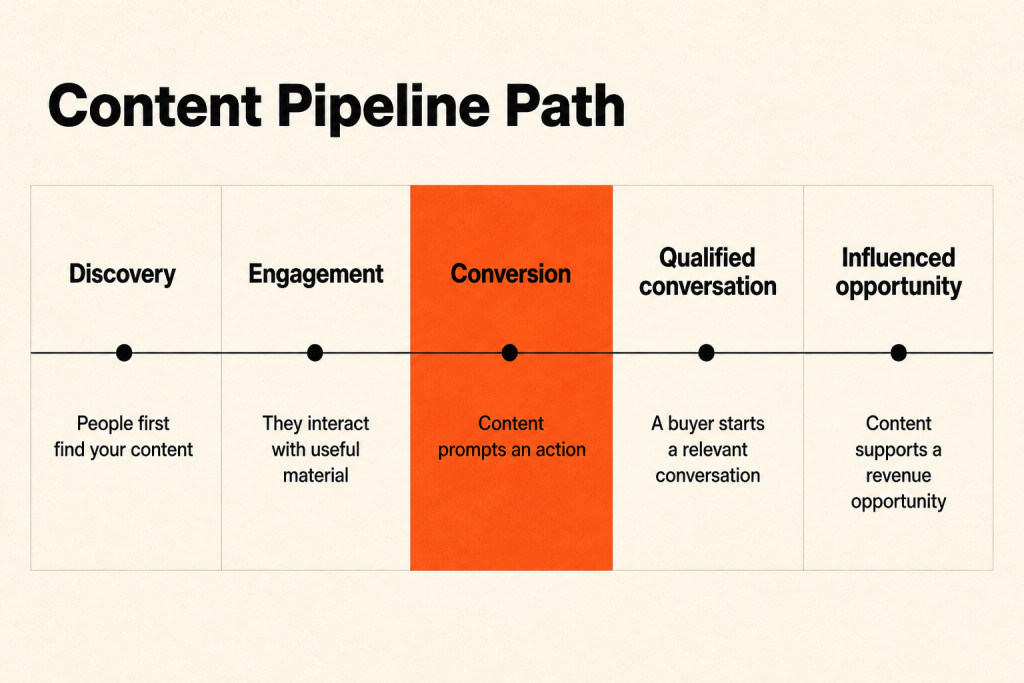
Content’s business value comes into focus as people move from discovery through engagement, conversion, qualified conversation, and influenced opportunity, a fuller path than traffic alone.
Revenue Attribution
Review pipeline influence by tracking opportunities touched, sales-cycle movement, and proposal usage, using CRM attribution and sales feedback; attribution tools can record digital activity, yet informal peer conversations and private board meetings often shape procurement lists, so online trails shouldn’t be the only basis for judging deal value.
The table lets you assess Pipeline influence with CRM attribution, sales feedback, GA4, call tracking, and CRM.
| KPI | What it tells you | What to review | Useful tools |
|---|---|---|---|
| Pipeline influence | Whether content supports revenue | Opportunities touched, sales-cycle movement, proposal usage | CRM attribution, sales feedback |
That measure connects content activity with the revenue it helped influence.
Lead Qualification
The table records conversions and Lead quality, pairing the actions buyers take with whether they match the company’s target audience.
- Conversions
- Lead quality
| KPI | What it tells you | What to review | Useful tools |
|---|---|---|---|
| Conversions | Whether content creates action | Forms, calls, downloads, meeting requests, bid invitations | GA4, call tracking, CRM |
| Lead quality | Whether the right buyers are responding | Company fit, project size, geography, role, timing | CRM, intent data, sales qualification |
Taken together, these measures show whether content prompts buyers to act and whether the people responding fit the company’s target audience. B2B intent data can also indicate which accounts are investigating relevant services before they disclose their identity. For wider context, see B2B content marketing trends.
Optimizing With Performance Data
Measure results over time, study what they show, and make changes to shape a data-informed plan for lasting success and sustainable growth.
Let the results guide your next adjustments:
- When certain content types or platforms bring in more leads, focus more of your effort on those.
- If something is not performing well, try a different approach or topic.
- Keep refining by changing content formats, adjusting SEO tactics, and testing new distribution channels.
Execution Mistakes That Stall Construction Marketing
Superficial Content Volume
Rushed blog posts with little depth or clarity can hurt your credibility, and publishing at volume while standards slip can muddy your message. Publish fewer, stronger pieces, and your audience gets something useful.
Context-Free Visuals
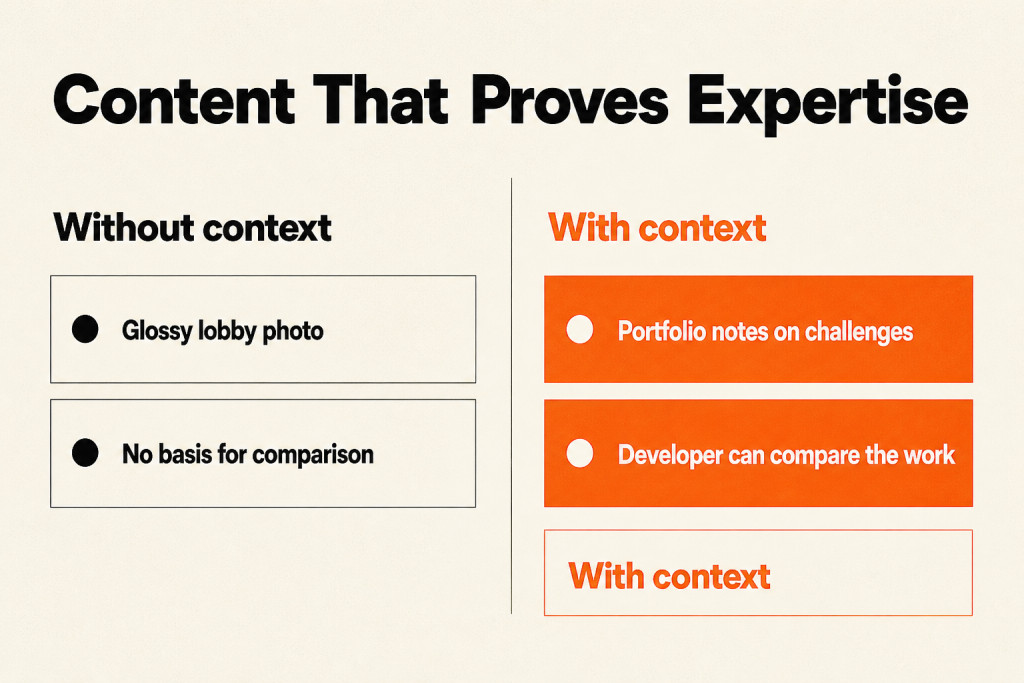
A glossy lobby photo on its own won’t show a prospective developer how your craft differs from a competitor’s work when that competitor has a good photographer. Add portfolio notes about ground stability challenges or tight delivery constraints, and the photos give the developer a basis for comparison.
Neglecting Active Promotion
Promotion and distribution help you get more from content you’ve already made by putting it on the platforms where your audience sees it.
- Repurpose existing content rather than creating new content for every channel you use.
- Optimize the repurposed content for use across various platforms and channels.
- Update CTAs and links to match where the audience views and interacts with content on each platform.
How to Rank Construction Content in Search
Search engine optimization (SEO) can help construction content show up on Google when prospective clients look online for construction services.
Keyword Targeting
Keyword research shows you which phrases potential clients use in online searches, so you can target terms tied to specific trades and regions.
- “construction company near me” and “affordable home renovations” are target phrases; Google Keyword Planner helps you identify and prioritize search terms like these for your content.
- Phrases such as “home remodeling in [your city],” “commercial construction contractors,” and “kitchen renovation tips” can help people find you when you use them naturally in your content.
- Experience in the home building field can help you spot common questions and queries. Some clients want to learn about home building procedures; others want information about the rules and regulations involved.
Technical Site Performance
Speed and navigation
Fast, user-friendly websites rank higher in search engines. A fast, responsive site with straightforward navigation also helps people use the site and find it in search results. Organize the site with clear pages for services, projects, and contact information.

Mobile responsiveness
A mobile-friendly site serves the many local searches people make on their phones. For deeper tactics, see mobile content marketing.
On-page SEO
On blog and project pages, use clear headings, descriptive titles and meta descriptions, along with alt text for images.
Choosing Distribution Channels That Reach Buyers
Because search can’t carry distribution by itself, use social, email, and PR to reach audiences beyond search.
Email campaigns tend to work better when you split the list by audience. Send floor-plan updates to new buyers and maintenance tips to past customers; one message for everyone is less relevant than material tailored to each group.

Choose social platforms based on your audience and the content format: LinkedIn fits B2B construction, Facebook can serve residential audiences, Instagram supports visual storytelling, and YouTube suits walkthroughs. Stick with one or two channels and post on a repeatable schedule. Show the work, answer buyer questions, and introduce your team to keep each channel useful and consistent. See content marketing on social media for channel-by-channel tactics.
Before reposting useful older material, update its details and correct misinformation. Adapt it into video or social posts to extend its reach without starting from scratch.
Who Are You Writing For? Segmenting Construction Buyers
Sorting your audience starts with knowing who you’re speaking to, then keeping a steady rhythm of showing the work and answering buyer questions, because Homeowners, property developers, architects, and project managers each have distinct concerns.
When you define your construction company’s target audience and ideal buyer persona, look past age, homeownership status, and location. Consider the resource, emotional, and philosophical challenges people face in the construction industry. Those felt concerns can guide content that speaks to them.
Use Surveys, online forums, and even brief client interviews to hear what matters to your audience. Build content from what you learn, so it answers those concerns.
Commercial Buyer Priorities
Commercial buyers weigh different factors when choosing contractors.
Delivery concerns
Commercial clients may worry about deadlines, budgets, and code compliance; developers may also prioritize timelines and scalability.
Operational fit
Construction and infrastructure buyers look beyond craftsmanship: they check uptime risk, compliance, engineering depth, project scale, operational continuity, and whether the contractor understands the end market.
Decision Drivers and Pain Points
Construction buyers weigh safety records, project experience, certifications, team credentials, reviews, and delivery methods, so content should answer their questions about project complexity, industry constraints, comparable work, and trust. Before speaking with a salesperson, construction prospects work through four questions:

- Can this contractor handle a project of this size and complexity?
- Does the team understand our industry, regulations, and operating constraints?
- Has the company solved a similar problem before?
- Can we trust the contractor with budget, schedule, safety, and reputation?
Building Trust Before Buyers Request a Bid
Pre-Bid Education and Proof
Owners can review detailed educational material as an open pre-qualification binder before requesting a bid, checking your risk management and technical standards themselves. Project photos also lend credibility before your proposal lands on the owner’s desk. This risk-mitigation approach also reflects broader industrial content marketing strategies.

Buyers may still want a salesperson, but they want to form an opinion first. A buyer might read one post, then follow it with another on the same site: “Florida’s Unique Building Codes for Pools.”
Frequently Asked Questions
### What is content marketing for construction companies? Content marketing for construction companies turns project knowledge, jobsite proof, safety expertise, client results, and buyer questions into useful material that attracts and educates prospects before they request a bid.
### How does content marketing help construction companies attract leads? Content attracts leads by speaking to buyers’ pain points and drawing prospects who are more likely to become clients. The Content Marketing Institute has reported that content marketing can generate three times as many leads as traditional marketing while costing 62% less. Content that answers questions about regulations and building processes can resonate with the ideal audience.
### What are the best types of content for construction businesses? The strongest content answers buyer questions and shows that a company can deliver. Project case studies, service pages, safety content, process pages, educational guides, jobsite videos, and before-and-after examples can support search value and buyer trust.
### How do construction companies use SEO in content marketing? Construction companies use SEO to appear in search results when potential clients look for services or solutions. Include the city or region in your content, claim your Google Business Profile, and encourage clients to leave reviews.
### How can construction companies measure the success of their content marketing efforts? Measure success by tracking website traffic, leads generated, and social media engagement. Check whether people read blogs, watch videos, or share posts, then track whether new clients reach out after seeing the content.
### Can small construction businesses benefit from content marketing? Yes, smaller contractors can compete by recording local experience, answering specialized questions quickly, and publishing proof that larger competitors overlook.
### How often should a construction company publish content? A practical starting schedule is two to four substantial website pieces each month and two to three social posts each week. Raw publishing volume matters less than quality, relevance, proof, and distribution.
### How to create content for a construction company? Start by recording short interviews, project walkthroughs, and answers to common buyer questions, then transcribe those conversations. Add project context and proof before editing the material into a page, article, video script, social post, email, or proposal asset.
### How to market a construction project? Visual storytelling and targeted outreach can help market a construction project. Use photos, videos, or 3D renderings to showcase project highlights on your website and social media platforms.
### What are the 4 pillars of content marketing? The 4 pillars of content marketing are strategy, creation, distribution, and measurement; strategy means understanding your audience and setting clear goals.
### What is construction content? Construction content informs, engages, or converts potential clients in the construction industry. Blogs, videos, infographics, and case studies can highlight expertise and build trust with your audience.
### What does construction content marketing cost? DIY programs mainly cost internal time; freelance support may cost $500, $2,000 per month, while a specialist agency may range from roughly $3,000, $10,000 per month.
### How long does construction content marketing take? Early indexing can happen in months three and four, while authority compounds over six to twelve months.
### Should you hire a construction content marketing agency? Consider a Content Marketing Agency when your company lacks consistent publishing capacity or past content has not created visibility or qualified leads. For complex trades, vet the partner’s qualifications before proceeding.
A construction company should consider hiring an agency when it lacks the capacity to publish consistently or its content has not generated visibility or qualified leads. Content marketing for construction gives you a way to turn project knowledge, jobsite proof, and buyer questions into material that can attract and educate prospects. The formats range from service pages and case studies to videos and social posts. SEO, publishing cadence, distribution, and measurement help guide how that material reaches buyers and how you assess its results. Small firms can begin with local experience and specialized questions; larger contractors can use the same building blocks at greater scale.