Before we dig into the meat and potatoes of seo for financial services, let’s start from the beginning. Typical digital campaigns just don’t hold up under the massive regulatory microscope of the finance world. Battling through a packed market while carrying such a heavy burden of proof is enough to break a marketing department.
Baking compliance directly into your financial services seo playbook turns those rigid industry walls into a weapon against your rivals. Google’s algorithms actively favor all that regulatory friction when you organize your data the right way… a scary thought if your legal team shoots down every new online project.
Earning real institutional trust is what actually dictates your rank.
Over the next few quarters, your team must roll out a tight series of operational updates to keep both the search bots and your anxious clients happy. Audit your technical setup, lock in your expert authors, and point blank toss those broad keyword efforts in the trash to build a new foundation for search visibility.
What is SEO for Financial Services?
Bad advice about money ruins lives. Because of that, search engines don’t look at queries covering retail banking or asset portfolios as standard web traffic. They view those topics as massive liabilities. Whenever a brand publishes material on fiscal consulting, it triggers immediate algorithmic scrutiny.
The platform forces banks to prove their absolute trustworthiness through a fully automated process that runs without a single human reviewer. The goal isn’t to chase clicks, but instead to pass a structural process of credibility tests before a potential client ever sees your page.
Google immediately drops the hammer, flagging the content under its stringent Your Money or Your Life (YMYL) category. That resulting filter automatically enforces the strict E-E-A-T benchmark during every single automated review the engine runs.
So before you build another content calendar or guess at your current standing, check your baseline index status. Just query `site:yourdomain.com`. Think of it this way: when Google evaluates guides about securing consumer cash, it conceptually uses this exact operator.
That instantly categorizes the pages under the YMYL classification, which then enforces the strict E-E-A-T benchmark.

Why SEO Is Essential for Financial Firms
Every major financial decision now begins with a search engine query. But I’ll stress this: holding a permanent spot in the search results builds a compounding asset that outlasts any single marketing campaign.
Sure, running paid campaigns gets you quick clicks, but leaning entirely on sponsored spots is just running a series of way overpriced cold calls.
Drive More Traffic and Qualified Leads
Paid advertising forces your message onto cautious prospects who might not even want financial help yet. Earning your rankings organically completely flips that script. You intercept high-net-worth clients exactly when they sit down to actively evaluate their money situations. The sheer scale of this intent is massive.
Figures from the Market Explorer tool reveal that unpaid search results route 2.2 billion visits to financial websites during a normal month.
Achieve Higher Conversion Rates
Securing those top organic spots delivers client growth numbers that make the upfront effort totally worth it… (let’s be real, most readers are going to skip straight to the ROI). The organic search initiatives run by wealth management and banking firms yield a massive 1,031% return on investment.
That specific return rate stands as the second-greatest yield across any analyzed market. When prospects find you on their own terms, they are much more likely to hand over their assets.
Build Brand Credibility and Trust
At the end of the day, dominating search is never just a technical trick. It acts as undeniable proof of institutional credibility to both the algorithm and your anxious clients, a public trust signal that your compliance teams will actually appreciate.
When you need hard proof of how much this credibility matters, look at the Google data showing how people convert. Non-paid search traffic drives a 5.3x ROI, which totally eclipses the measly 2x ROI generated by sponsored advertising.
Why Financial Services SEO Is So Difficult
When someone gives out bad advice about a coffee maker online, a reader ends up with a terrible cup of dark roast. If someone provides careless advice on an investment portfolio or a retirement account, they can bankrupt a family.
Search algorithms understand this completely. They treat pages dealing with wealth building with the exact same deadly seriousness as a surgeon giving medical instructions. Google even built a dedicated category for this risk called Your Money Or Your Life (YMYL).

Because a bad financial choice creates so much real-world devastation, search engines subject your domain to a dramatically higher evidentiary standard than a normal consumer blog. To even show up in the results, your strategy for seo for financial services must prove unshakeable institutional trust… which means those casual, off-the-cuff blog posts simply won’t cut it here.
That accuracy hurdle is steep enough on its own. But you’re also fighting for visibility in a packed room. Looking closely at the data from January 2025, there are around 5,790 FinTech SaaS businesses operating worldwide, creating a massively crowded market that requires specialized seo fintech services to navigate.
And while you battle those thousands of competitors for a sliver of attention, offline regulatory bodies are pushing down hard on your speed. Inside the US, powerful groups like the SEC demand rigorous oversight of your public claims just so your firm can stay operational.
FINRA throws cold water on free-wheeling promotional messaging across your marketing channels. Then watchdogs at the CFPB force even more mandatory compliance checks onto your daily publishing calendar. You can’t just write a clever article and hit publish.
Every single sentence crawls through legal review to make sure nobody ends up in court.
Those strict guidelines govern exactly how you can talk to clients, and pushing reckless guidance through that system is nearly impossible. Regulators will catch careless errors instantly, dropping heavy monetary fines on your head while permanently ruining your brand.
Okay, here’s where it gets interesting (and a little wild): you can actually flip this dynamic. Treating strict compliance as a strategic advantage completely turns the tide in your favor. Funneling your content through intensive vetting proves to the algorithms that your bread-and-butter advice is factually bulletproof.
Over time, those legal reviewers stop acting like a frustrating roadblock. They actually become the solid foundation of your entire ranking strategy.
Build Unshakeable Trust and Expertise
Publishing anonymous financial advice actively harms your brand today. Pushing nameless, generic content is basically dead on arrival because algorithms are actively hunting for verified experts. To fix this, you have to hardwire human expertise into both your prose and your backend code.
For client onboarding, dynamic calculation pages are still a massive draw. Adding interactive checking tables, custom filters, and targeted interest calculators gives visitors clear expense analyses and a reason to take the exact next step.
These pages pick up more inquiries because they replace generic advice with hard math. Yet, marketing teams fail this basic trust test constantly.

Crafting High-Quality, Compliant Content
You can sure as hell use automated engines for early tasks. Have them pull deep topic research, brainstorm broad keyword variants, summarize dense regulatory papers, or handle baseline demographic adaptation.
But a compliant plan dictates that a real human must rigorously edit every single document before publication. When creating deep bio profiles, you must feature exact professional credentials, like those CFA, CFP, or CPA stamps of approval, right next to the writer’s name.
Then, build out the actual publication bio. Write two to three sentences covering their years in the field. Demonstrating this competence to search bots requires writer profiles to feature a clickable LinkedIn URL, alongside Schema code identifying the writer as a Person with precise knowsAbout traits.
This means your content blueprint has to lay out distinct responsibilities for search professionals, copywriters, compliance auditors, and corporate lawyers. And please (I beg you) don’t forget to document that chain of custody clearly from the first draft to the final release.
Fulfilling these standards guarantees your firm effectively satisfies every aspect of the E-E-A-T framework. Doesn’t sound as simple as throwing up a quick blog post, huh?
Managing Your Online Reputation and Reviews
Brands often want credibility way faster than they can earn it, which leads to desperate attempts at manufacturing a perfect public image. Never pay shady third-party vendors for fake client testimonials. If you try to fake trust, buying artificial ratings explicitly violates the guidelines set by Google. A shortcut like that will always backfire on your main domain.
Search engines look at outside numbers to cross-check what a firm claims internally against actual market reality. They check public ratings specifically to spot those exact gaps. Your digital plan needs to respect that crawlers are always tracking unlinked brand references and monitoring direct searches for the corporate name.
Earn Authority with Links and Digital PR
To convert raw brand mentions into verified institutional endorsements, you’ve got to shift your entire off-page focus. You need to focus on wringing public endorsements straight from the notoriously tight-lipped financial press. While paid ads offer a quick spike, specialized seo for financial services establish a permanent organic presence.
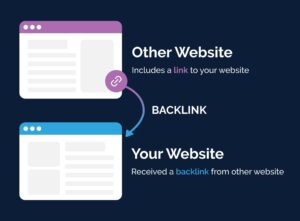
The minute your daily ad spend hits zero, that traffic disappears. It’s a terrifying reality for performance marketers who rely on real-time attribution software to justify their jobs. Top-tier backlinks, unlike that fleeting rush of standard digital ads, forge a permanent competitive edge.
If you’re chasing the absolute top position for competitive financial queries, it pays to understand that it demands 3.8x more backlinks than average results. Getting legitimate endorsements from guarded press outlets matters way more than scraping together bulk directory submissions from random, nameless sites.
Over the long term, these premium citations cement a rock-solid level of corporate trust. Real authority requires mentions in national newspapers, quotes in respected financial journals, and actual nods from regulatory bodies.
You can watch this strategy work in the real world by looking at a specific digital PR push in Denmark. Victor detailed a case where Bankly ran a deeply planned outreach campaign to take over a brutal regional market controlled by old-school banks.
The financial portal needed to claim the number one ranking for highly competitive debt keywords. Over roughly 1.5 years, this targeted authority campaign triggered huge, long-term spikes in the brand’s total organic traffic. Running this exact playbook landed more than 20 high-value links from trusted journalistic outlets.
That effort pushed the domain to peak search visibility for extremely tough keywords like *lån penge* (which directly translates to borrow money in Danish). A related term like *samlelån*, meaning debt consolidation, earned that identical top-tier position.
By keeping their sights entirely on guarded media sites, Bankly demonstrated unquestionable corporate legitimacy to the crawlers. Search algorithms strongly favor real press links over junk web spam, so the site quickly established an enduring advantage over rival financial products.

You need to audit your current backlink profile using Ahrefs, Semrush, or Moz Link Explorer. Doing this helps your team find out exactly which inner pages are hoarding the most ranking authority. An initial review exposes where every single active backlink actually comes from.
Prior to pitching any new journalists, these core software tools let your team accurately measure the site’s existing domain strength scores. If you hire a standard financial services seo agency, they’ll usually try to sell you on a pure volume-driven link plan.
But I view off-page work as an intense regulatory compliance audit, an approach that might sound a little unhinged (in the best way) to a traditional seo agency for financial services. This means your first order of business must be checking the past reputation grades of every single linking site.
Financial sites have absolutely zero margin for error when it comes to sketchy directory spam. The brand requires authentic, verified press backing to rank.
Find and Own Your Niche Through Research
Massive campaigns aimed at generic banking terms will drain your budget in a heartbeat against legacy conglomerates. Those older giants win the broad keyword fights on sheer history and deep pockets every single time. Real growth requires a completely different playbook.
Firms have to sacrifice those shiny vanity stats to dominate the highly specific, pain-point-driven queries that larger institutions completely overlook. The immediate fix is simple. Export your search console data and map out exactly which pages currently solve a defined client problem.
Conduct Deep Audience and Keyword Research
Fighting over broad phrases is a huge waste of resources. True search intent hides in the gritty details of what people actually type into a search bar. Set up your exact match filters to catch those complex queries. A staggering 91.8% of all search volume actually falls into the long-tail category.
We’re talking about hyper-specific questions like “How to build business credit” where the user needs a precise answer right now.
Internal client interactions hold the absolute best clues for finding those hidden frustrations. A smart setup involves digging into help desk tickets and reviewing recorded service calls. Sift through every single incoming question your site gets.
Talk directly with the team members who speak to clients all day long. They hear the raw problems people face before they ever open a search engine.
Analyze Competitors to Find Gaps
The websites claiming your target keywords rarely look like your actual physical competitors. Teams have got to audit the overlapping search results, toss their old assumptions out the window, and map out the true digital threats.
Even when a separate enterprise shares none of a firm’s commercial offerings, they function as a digital search rival if their pages sit on the same search results pages. Even totally unrelated businesses become your direct rivals if they capture the exact traffic your firm needs to own.
Let’s talk about what to actually do with this information. Finding these content gaps requires hard data. Professionals need to pull up the top five performing websites and run them through platforms like SpyFu or SimilarWeb.
Look closely at where they place their keywords and how they build their incoming links. The trick is to spot exactly where their pages fall flat, so you can step in and answer the client’s problem wayyyyyy better.
Streamline Your Technical and Compliance Workflow
Most financial marketers completely ignore the biggest hidden cost of publishing in a strictly regulated space.
A wonderfully researched piece of writing is worth zero if bad code keeps it from loading fast on a mobile device.
That technical misfire perfectly mirrors the legal roadblocks that catch teams off guard when they silo their site code and their compliance.
Playing by the rules is a hard requirement when you want to win trust from anxious, wealthy clients through search.
One lazy oversight can trigger heavy fines and completely wipe out the corporate reputation you worked so hard to build.
Integrating professional seo for financial services directly into the legal review pipeline from day one ensures your approved content actually ranks. In fact, the real question isn’t whether your writing is flawless. It’s whether your code and your legal sign-offs can keep up.
Start with a Full SEO and Technical Audit
Mobile indexing comes down to hard numbers. Before you hand a single page over to your legal desk, audit your site with Google PageSpeed Insights and Lighthouse to catch any hidden code bloat. Google grades your mobile compatibility based on strict cutoffs: you need an LCP under 2.5 seconds, an INP under 200 ms, and a CLS under 0.1 on every single page. Translation: search engines want speed, and these exact targets are strict must-haves for organic visibility.
Implement Core On-Page and Technical SEO
We see it time and time again: a tightly woven internal linking setup drives way more organic traffic across a site. Look at your large hub pages, map out clear paths between your main topics, and actively link to your required regulatory disclosures.
Doing this spreads value quickly across your whole domain. It pushes ranking power down into your deepest, most valuable service pages.
On the flip side, URLs left floating with only 0 to 4 internal links have a hard time even getting indexed. Compare that to pages showing 40 to 44 internal links, which pull in four times the traffic of those lonely, poorly connected URLs. The difference comes down to simple crawler discoverability.
The way you connect your pages literally defines the crawling hierarchy for every algorithm.
Expand Visibility with Video and Structured Data
Structured data clearly tells search engines what your content is and who wrote it. To give the results instant context, apply FinancialProduct, FAQPage, and Article schemas, alongside author tags like jobTitle, alumniOf, and knowsAbout.
Because algorithms need hard proof before they trust financial claims, this markup explicitly maps your writers straight to their real-world expertise.
A broad digital footprint backs up that structured data and builds brand familiarity. A strong compliance plan means keeping your story straight everywhere you show up. Outside of your site, run a solid YouTube channel and keep up regular activity on LinkedIn, X, and Facebook so crawlers can constantly verify your profile through outside links.
Navigate Common Implementation Roadblocks
Figuring out your organic return relies on a surprisingly simple formula. You just take your average conversion value, deduct your project expenses, divide that result by your initial spend, and multiply by 100% to find your percentage yield.
Tracking those stats feels great (one of my personal favorites), but leaving compliance out of the loop guarantees production delays that can wipe out your whole investment.
Dropping a finished 2,000-word draft onto the legal desk creates a massive friction point. They will almost always reject a main claim and demand a complete structural rewrite.
There is nothing worse than watching a highly optimized piece sit in an approval queue for six months while the market moves on. Getting buy-in early turns the legal team from a roadblock into a partner before your next local push.
Local SEO for Financial Services Providers
When clients hand over their entire life savings, they crave the deep psychological comfort of a nearby office. A massive national bank with a prestigious history simply can’t compete with the sheer reassurance of a wealth manager located a short twenty-minute drive away.
Whether you are a local practice utilizing local seo services for accountants or a regional wealth manager, this physical closeness turns into a huge structural advantage. If your digital footprint perfectly maps to local neighborhood geography, local search will drive massive inbound revenue.
Nervous clients obsessing over a market dip still just want a real human sitting right in their own zip code (humans, amiright?). If you ignore your local presence, you hand lucrative, high-net-worth accounts straight to your closest competitors. National authority means absolutely nothing if a prospect can’t physically drive to your desk to panic.

Optimize Your Google Business Profile
Regional campaigns run by local offices consistently steal heavy search traffic away from giant legacy banks. The mechanics behind this are completely free. Registering your location on the zero-cost Google Business Profile (GBP) shoots your data straight into Google and successfully populates Google Maps.
That setup acts as the strongest proximity signal available right now. Advisors just need to verify exact operating hours, link a primary domain, and list direct phone numbers. How well you configure this directory dictates your total visibility across the entire map interface.
Agencies lacking a public storefront must select the Service Area Business’ (SAB) designation to hide their home base while actively listing out their covered regions. Google built this specific setting to let you mask your personal virtual office or residential location.
This keeps your private details secure while keeping you fully visible for those highly profitable local inquiries.
Use Location-Specific Keywords and Content
Now, let’s look at how to build out your site structure. A dedicated landing page is needed for every unique site, complete with accurate geographic code and custom service descriptions. Jamming ten completely different municipalities onto a single page fails every time you try it.
Rankings for any individual area will not materialize with a lazy consolidated page. Instead, split your locations onto separate URLs to capture highly targeted searches like Financial advisor in Austin and certified financial planner Austin Texas.
Firms operating in densely populated metro areas have to target distinct neighborhoods to get granular volume. Cramming distinct cities onto a single page destroys local relevance… they just flat out ignore your site. Managing a sprawling hub like a London branch serves as the perfect example of a brutal territory for generic city-wide rankings.
When building campaigns for a London footprint, you must focus on specific neighborhood strings like Barnet, Croydon, Hackney, Lewisham, or Waltham Forest. Extreme geographic precision is required because the entire inbound client pipeline relies completely on it.
How to Measure SEO Performance and KPIs

Stop cheering for traffic spikes. We have all watched marketing teams pop champagne over a sudden surge in unpaid visits, but in the financial sector, chasing raw volume just creates a dangerous illusion of commercial momentum.
High visibility means absolutely nothing when your incoming clicks are just college students researching term papers rather than qualified adults hunting for professional wealth management. If your audience is irrelevant, they offer exactly zero commercial utility in a heavily regulated market.
They just add noise. Read that again, slowly. You want highly qualified, intent-driven leads, not a bloated visitor count.
To gauge your overall search setup, look at an SEO Score from specialized networks like Siteimprove. But to see the deeper intent story, track the exact organic placements your URLs hit for the specific search queries you mapped out during your target market analysis.
Pull all these user interaction behaviors, like the volume of visitors coming straight from unpaid listings, average session duration, and total immediate exits, into a single dashboard to watch how prospects move around your domain.
You need to audit these engagement stats daily. I highly recommend pulling them directly from your server logs, even if that raw data is undeniably ugly. A massive count of impressions is just a wasted budget if folks read a single generic disclaimer on your landing page and bounce right off.
In your final tracking phase, monitor successful user completions. These range from softer actions like email list registrations to direct business outcomes like signing up for a specific program.
Because executives love large numbers, bad agencies will inevitably highlight dwell time and bounce rates to mask a lack of leads. Burst your bubble: hard conversions from organic traffic remain the absolute only viable proof that a firm is actually acquiring clients.
Examples of Successful Finance SEO Services
Fiska
True search dominance requires brains over bulk. Fiska proved this by building a massive 7-figure organic acquisition pipeline completely from scratch, bypassing the usual industry fluff. Instead of pumping out endless posts, they answered highly specific client questions using strictly structured assets.
By directly mapping user intent to these specialized written resources, the return on investment hit a wild 64x multiple. Mind you, we are measuring closed pipeline here, not just vanity traffic.
Because they shook off their reliance on expensive, generic outbound campaigns entirely, inbound sales leads arrived at an unprecedented rate. Evolving search algorithms recognized the deep topical authority created by the sheer density of accurate local data.
That technical precision allowed performance to quickly jump from zero to 25 inbound sales leads each month. At the same time, their organic footprint inside AI engines and LLM answers multiplied and expanded from 4 to 53%.
WorldFirst
Winning at the bottom of the conversion funnel demands exactly this kind of precise focus. WorldFirst locked down major search visibility and direct conversions by publishing heavily targeted articles mapped to strict commercial needs. They parked the brand in the top 3 organic spots for brutally competitive financial terms.
Showing up and capturing clicks across 70% of high-intent purchase queries proved the immediate value of extreme specificity.
Over the next few quarters, the firm locked in over 50+ successful client actions every single month. Total acquisition numbers jumped by 234% across the entire pipeline. Anyone working in search knows how hard it is to sustain that low-funnel momentum without bending strict compliance standards … (otherwise, I would be out of a job).
To handle that challenge, WorldFirst simply doubled their LLM search engine presence.
JP Morgan Chase
Yes, the branding advantage of legacy banks is undeniably intimidating. JP Morgan Chase pulls in over 26 million monthly organic visits, a scale that looks entirely impenetrable at first glance. But if you dig into your competitor’s legacy traffic logs using Semrush, Ahrefs, and Google Search Console, you can find their actual baseline to understand what true visibility really looks like.
Sifting through the numbers reveals that an overwhelming 93.1% of those users only arrive because they type the specific brand moniker Chase directly into the search bar. The tiny fraction left over represents their actual non-branded search penetration.
Other smaller firms
But let’s zoom in on smaller players. In a comparable 6-month window, a much smaller investment advisory group pulled off an astonishing 83% organic traffic surge. They did it simply by rolling out a highly localized editorial strategy.
Narrowing the focus to localized compliance structures pays off almost instantly for ambitious smaller firms, mostly because generic publishing actively waters down financial authority and damages institutional trust. Throwing capital at general finance terms to fight entrenched behemoths is a total waste.
Instead, smaller firms have to build specialized moats around niche regulatory expertise. Search algorithms reward this heavily in sensitive financial niches. Prioritizing localized compliance over massive reach definitely goes against classic marketing advice.
The problem is that broad, anonymous financial guidance actively triggers algorithmic penalties today. The real barrier to entry involves precise data architecture rather than endless blog posts. Stick to this discipline, and over time it builds an unshakeable fortress.
Wise and Mollie
If a financial institution operates globally, localizing the web structure to match distinct geographic user needs is absolutely mandatory. By chopping their domain into regional directories like wise.com/us/ and wise.com/uk/, Wise can easily host interactive foreign exchange widgets configured correctly for each nation.
But they still have to rely on strict hreflang code signals to accurately detect where searchers are coming from and serve the correct translations.
You can see a similar architectural strategy at play with Mollie. Their merchant portals establish immediate user trust through clear organization and highly functional tools.
It just proves that European fintechs are often way better at this than the rest of us. Ultimately, your technical setup needs to mirror this exact localized precision.
The Future of SEO Marketing for Financial Services

Although artificial intelligence is a fantastic tool for getting words on a page, letting it blindly publish monetary advice is a massive liability. Financial brands are waking up to a new reality where machines need internal knowledge served up in a clean, parsed format.
Generative engines scrape structured databases to build direct answers. If you bury key compliance details inside massive text blocks, that extraction process breaks, leaving your older pages useless to modern bots. To stay visible, you need to treat your content archive like a strict data feed.
We all know the old optimization tricks fall flat when an algorithm simply cannot read the fine fine print trapped inside a twenty-page disclosure PDF. Winning search today means organizing your proprietary rules so they survive being scraped across multiple interfaces perfectly intact.
A standard marketing playbook usually pushes for aggressive publishing volume, but churning out raw posts ignores the rigid data organization these bots demand.
Adapt to AI Search and Voice Queries
Google produces AI Overviews (AIO), functioning as machine-generated summaries positioned at the absolute top of the search engine results page for financial queries. These occupy the best digital real estate, sitting right above the classic blue links.
Pumping out generic copy fails in this space because real financial guidance depends heavily on local laws and specific investor profiles. Content managers must configure dedicated FAQ areas in the back end of the CMS to give these models the exact structure they demand.
These models require brief, single-sentence explanations that computers can easily process.
Currently, a growing segment of consumers relies on ChatGPT, Perplexity, and Google’s AI Overviews for straightforward monetary guidance instead of navigating standard bank websites. These platforms function as rigid parsers.
If your writing is wordy or vague, these systems will actively pass over your content when building automated summaries. Everything must be highly organized before you hit publish. Translation: data structure matters more than flowery prose.
With folks speaking into their phones instead of typing, marketers have to naturally weave conversational queries into their text. Content strategists must pinpoint the precise wording clients speak aloud, such as ‘What’s the best way to invest in 2025?’, ‘How can I save for retirement at 40?’, and ‘Which deposit account is ideal for holding a cash reserve?’.
Semantic headings must match these exact spoken questions so the bots easily connect the dots.
Use AI Tools for Content Creation Safely
Handing off sensitive publishing entirely to automated software creates major blind spots for factual errors, artificial hallucinations, and logical gaps. Total dependence on machine writing poses severe risks regarding YMYL topics, because perfect precision is required in this space.
Automated platforms have a bad habit of spitting out fake economic data that looks incredibly real… (a difficult thing for me to admit). A line-by-line audit inside the CMS is necessary so search engines do not downgrade the page for hosting unoriginal, automated copy.
Without human oversight, these blind deployments will lead straight to massive regulatory penalties and permanent brand ruin.
Workflows can still begin by feeding highly descriptive prompts into a machine, setting strict compliance boundaries and giving clear instructions. However, guaranteeing precise facts and providing sector background requires a certified professional, such as a professional holding a CFA or CFP designation, to perform a thorough editorial audit on those generated drafts.
Finally, a dedicated compliance officer must run a final check against active industry laws before anything goes live.
How to Choose a Financial Services SEO Company

The choice of outsourcing your SEO to a financial services SEO company comes down to one uncomfortable question. Are you willing to gamble with massive legal fines just to save a few bucks on an unspecialized marketing shop.
Firms need to audit their compliance pipeline right away. Companies absolutely must have copy that stays perfectly inside legal lines, plus a completely error-free technical setup, just to survive the ever-changing quality tests enforced by Google.
I once watched a standard agency mistakenly post unverified yield projections for a client. That single misstep triggered a harsh FINRA warning and… an immediate, incredibly expensive contract termination. Ask any potential hire to walk you through a published piece they pushed through a rigorous legal review.
Make them explain how they hit their ranking goals without sacrificing safety. A real specialist handles that question effortlessly, while a generalist will start sweating.
The right dedicated partner takes this entire headache off your plate, using strict SEC guidelines as the actual blueprint, which directly frees up your internal operations. Before hunting for fast-turnaround growth hacks, hire a crew that genuinely keeps your brand safe.
Financial Services SEO Frequently Asked Questions (FAQ)
Winning this long game requires a thick skin and deep pockets. Search algorithms demand a heavy upfront investment of capital and absolute patience before they ever trust your financial brand. Executives need to toss those fantasy land timelines out the window right now and set clear boundaries for the marketing department.
You’re going to slog through distinct operational steps, starting from messy technical cleanups all the way to endless compliance oversight. Getting impatient during this step-by-step rollout guarantees you’ll lose to rivals who actually put up the required long-term cash.
Sticking to the plan protects your firm from sudden, impulsive strategy shifts (a massive mistake that can wipe out a year of foundation work in a matter of days) and keeps leadership grounded about what organic growth actually looks like.
How long does SEO take for a financial services firm?
You can expect to wait a while. Building up enough domain authority to step over legacy financial competitors involves a mandatory waiting room period.
Even after you set up a complete technical sweep across your main web properties, financial institutions face a standard holding pattern of three months or more before any real upward movement hits the search results. Search engines make financial sites jump through intense, highly critical filters before handing over any visibility.
We also have to recognize that paid campaigns and organic search live in totally separate realities with different end goals. Paid search gets your brand right in front of a hand-picked demographic fast.
Organic search acts like a digital cornerstone that builds up permanent institutional trust and secures multi-year brand exposure for the service queries that actually drive your revenue.
Is SEO or PPC better for generating financial leads?
Which of these two channels does a better job in your marketing stack? Paid ads test the waters immediately, while non-paid optimization builds up an unshakeable market position over the years. Sponsored campaigns grab immediate brand placement and let you test your messaging through hard numbers.
When you roll out a new product, running a few ads shows exactly which hooks or offers catch the attention of searchers fastest. Once that initial ad money dries up, your high-ranking organic pages step in to prove your status as a heavy hitter in the market.
Can SEO really help financial advisors get more clients?
Picture a person holding serious wealth running their own background checks before calling an advisor. Managing personal fortunes is high stakes, which is why a massive 96% of United States citizens looking to hire a wealth professional plan to do extra online digging before ever scheduling a first meeting.
Additionally, an overwhelming 97% of them fully intend to size up several different advisors before making a final choice. If your firm fails to show up clearly on those critical search pages, potential clients will just bypass you and hand their money to your competitors.
How do you create SEO content that is also compliant?
Keeping everything above board means you have to run constant structural reviews based entirely on regulatory guidelines. When your creative and legal teams sit down for their regular monthly or quarterly meetings, they need to check all your website templates against official rules from FINRA and the SEC.
This keeps compliance baked right into your publishing process. You’ll want a central hub of pre-approved legal disclaimers broken down by product type, which guarantees everything stays uniform across your 2025 search strategies.
Even with that setup, your internal staff still needs to circle back every three to six months to clean out stale financial references and fix broken source links.
Surviving this landscape takes a lot more than cramming keywords onto a page… (even my brain got tired from researching and writing this part, to be honest). It demands layering in perfect technical health, expert-level writing, and bulletproof regulatory compliance across every single digital asset you own.
Marketing directors who treat seo for financial services as a permanent fixture of their business, rather than a quick cash grab, will easily crush rivals who rely on temporary ad budgets.
By building your entire content machine around strict legal guardrails and finding the patience to earn algorithmic trust, your firm builds an absolute moat that reliably attracts new client wealth for decades.