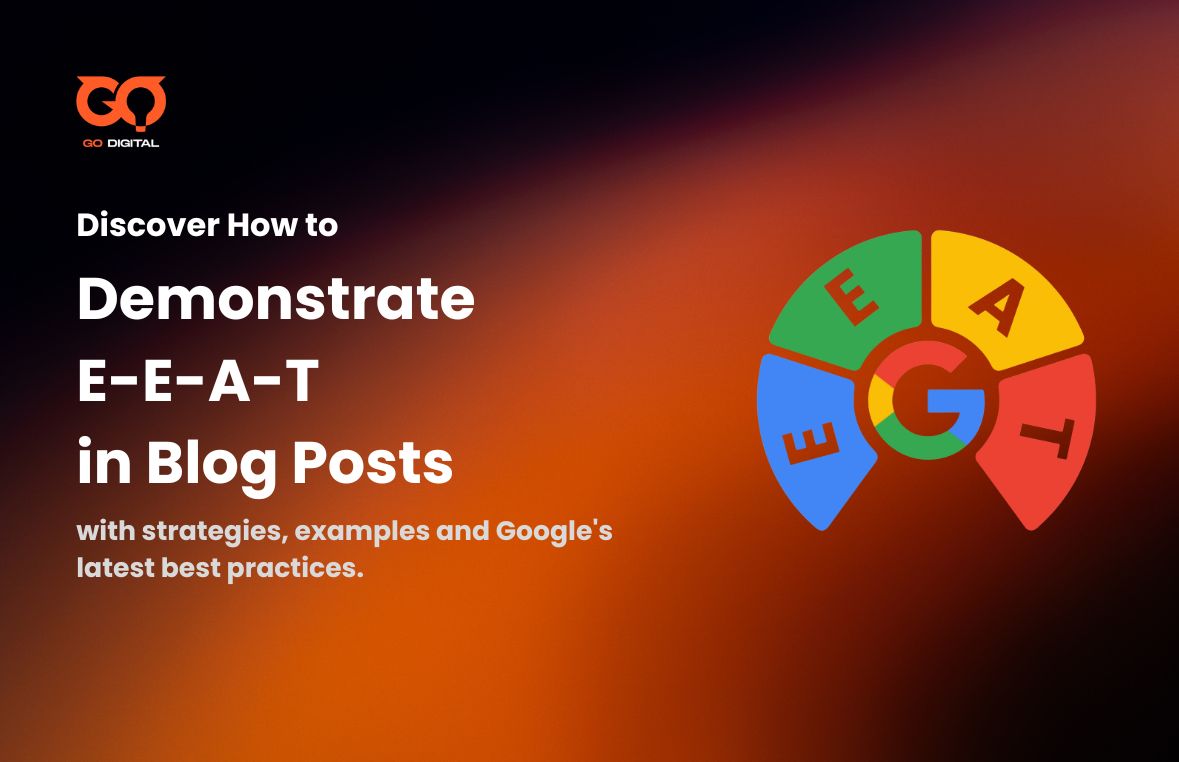
AI can now pump out “good enough” content for free, and it’s flooding every corner of the internet. The only real moat you have left is showing your work, proving you have real, first-hand experience. This is exactly why Google is leaning so hard on E-E-A-T.
It’s not a direct ranking input, but it’s the conceptual model they use to figure out what’s quality and what’s just fluff. Proving your experience, expertise, authority, and trust is the only game in town now.
So the time has come to toss that old tactical list and truly learn how to demonstrate E-E-A-T in blog posts. Think less final check after you write, and more strategic filter before you even start. It’s the only way your brand is going to stay afloat.
What E-E-A-T Means for Your Content
E-E-A-T means Google is judging whether a real, qualified human with actual experience stands behind your content, not whether you hit a word count or stuffed in the right keywords. It’s the lens Google’s raters use to answer one question: “Would I trust this page if the stakes were high?” If the answer is no, you lose.
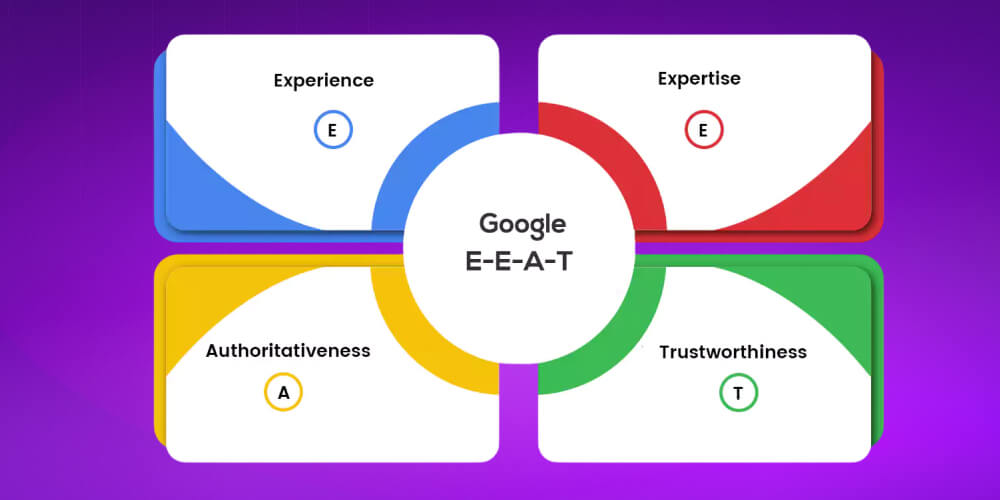
The old SEO game was mechanical: check the boxes, tick the list, rank. E-E-A-T blows that up. Now it’s about proof: proof you’ve done the thing, proof you know the thing, proof other people vouch for you, proof you’re not going to lead anyone off a cliff. Google built this framework precisely because AI can spit out box-ticking content by the truckload, and none of it can fake a real track record.
So don’t think of E-E-A-T as four more items for your checklist. Think of it as the bar your content has to clear before it deserves to rank at all. Content that reads correct but has nobody real behind it is exactly what Google is now hunting down and burying.
What Are Experience, Expertise, Authoritativeness, and Trust?
The four pillars are simple to name and brutal to fake. Experience is whether you’ve actually done it: used the product, made the mistake, walked the trail. Expertise is whether you have the knowledge, credentials, and skill to speak on it. Authoritativeness is whether the rest of the web treats you as a go-to source. And Trust is whether people are safe taking your word: accurate claims, real contact info, a secure site, no funny business. Trust is the one Google cares about most; the other three feed into it.
Where does all this come from? Straight out of Google’s Search Quality Rater Guidelines, a 176-page document Google hands to its human reviewers (yes, I read it so you don’t have to). Those reviewers manually grade real web pages against these standards, and their feedback trains the ranking algorithms on what “good” actually looks like. Think of the document as the answer key to the whole test, and now you know what’s on it.
Why Google Added ‘Experience’ to E-A-T
The first “E” for Experience is the newest piece of the puzzle. Google officially added it in December 2022, right as AI content tools started going mainstream. That timing wasn’t a coincidence.
Suddenly, anyone could create an article that sounded like an expert wrote it, but it was all surface-level. There was no real person or lived experience behind the words.
Experience became the tie-breaker. It’s the difference between a writer who has read a dozen books about climbing a mountain and a guide who has physically summited that specific mountain on numerous occasions, which demonstrates real-world experience. Google is now betting on the guide who’s been there.
The Impact of E-E-A-T on Rankings and User Trust
When your content lacks E-E-A-T, it just feels thin and untrustworthy. People can smell it a mile away. If your blog demonstrates low E-E-A-T, visitors will quickly leave. They land on your page, realize you don’t actually know what you’re talking about, and hit the back button.
That quick bounce back to the search results is a huge red flag for Google. This behavior signals to Google that your site provided a poor user experience (UX). It tells the algorithm your page was a waste of time.
And when that happens, your rankings get tanked. It’s that simple.
Why E-E-A-T Is Critical for YMYL Topics
The standards for E-E-A-T get much stricter when you’re dealing with “Your Money, Your Life” (YMYL) topics. This is where bad advice can cause real harm, and that’s a risk Google just won’t take. For these topics, the repercussions of being incorrect extend beyond a negative user experience. The whole SEO world got a wake-up call on this back in 2018 with the ‘medic’ update, which hammered sites in these categories that didn’t have their E-E-A-T in order.
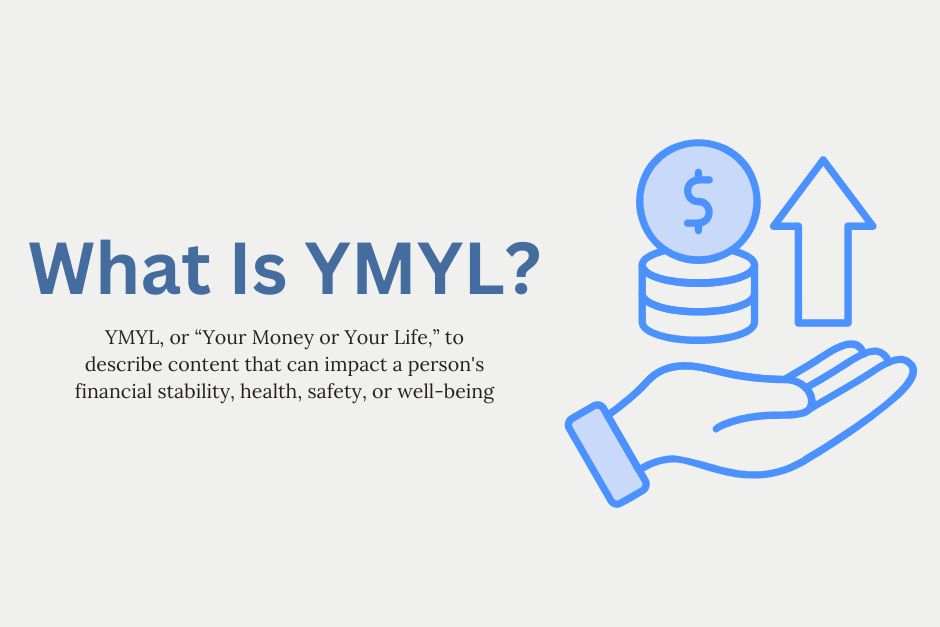
So, how do you know if you’re in YMYL territory? Ask yourself if your content touches on Health & Safety. Does it offer information about voting, government entities, social services, or legal matters? Does your advice relate to Financial Security by addressing money management, investments, taxes, loans, insurance, or significant purchases like a home or car?
Does your content provide direction on major life decisions like selecting a college, finding a job, or parenting? It also includes information about groups of people based on their identity. If you’re in that zone, the bar is much higher.
The Role of E-E-A-T in the Age of AI
Imagine an ocean of content that sounds correct but is often just educated guesses in sheep’s clothing. Anyone with a ChatGPT account can punch in a prompt and get a full blog post in less than 60 seconds. This forced Google’s hand; they had to find a reliable way to separate the truly credible from the merely plausible.
But here’s the deal: your only real path forward is to create content that’s built on a foundation of genuine, first-hand knowledge. If you do it right, the payoff is huge. Content that truly satisfies all the parts of E-E-A-T has a great shot at winning not just in the traditional search results, but in new formats like AI Overviews, too.
Your Strategy to Demonstrate E-E-A-T in Blog Posts
Thinking of E-E-A-T as a pre-writing filter, not a post-publish checklist, is the only way to build content that can actually survive the next few years.
Identify Your Audience’s Search Intent
First things first: you need to get inside your reader’s head. Your job is to figure out what they’re really trying to do; the handful of words they typed into Google are just a clue. The goal is to solve the problem behind the query.
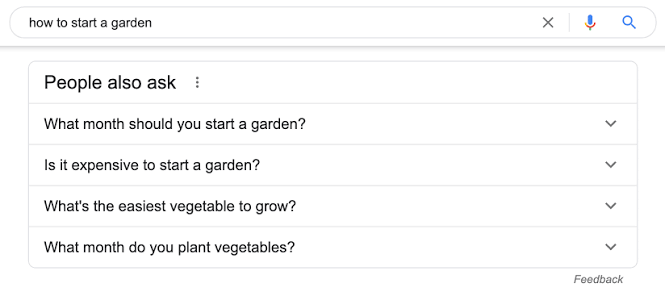
You can get a surprisingly clear picture of this in about 20 minutes. Just use a few free tools to map out their questions: AnswerThePublic, the little Google’s “People Also Ask” box, and the performance reports in your Google Search Console (you know, the one you probably haven’t logged into since last quarter). You’re digging for goals here; keywords are the starting point.
Niche Down to Build Authority Faster
I know it feels wrong to purposely aim for a smaller audience, but you have to trust me on this one. Trying to be the go-to source for a huge topic like ‘travel’ or ‘food’ is a losing game from the start. The field is just too crowded, and whatever real expertise you have will get washed out.
But if you get specific, say, you focus on ‘luxury travel for the over 50s’ or even just ‘Greek food’, you can actually become the most important voice for that group. It’s way easier to be a big deal to a small, passionate audience. That’s how you build real authority that Google can see and reward.
Conduct Keyword Research with Your Expertise in Mind
From now on, your keyword research has to start with one brutally honest question: “Can we be the absolute best source on this topic?” This question is a filter. It forces you to walk away from those high-volume keywords that look so tempting on paper but where you have zero real experience to share.
Do not select a keyword simply because of its high search volume. The right keywords are the ones where your team can offer a unique point of view, not just another rehash of the top ten search results.
Analyze SERPs to Find Content Gaps
Those pages ranking at the top for your target keywords are your competition. Your job is to pull them apart and see how they’re signaling their credibility. When you dig into the search results, you need to look past the words on the page and find their E-E-A-T proof.
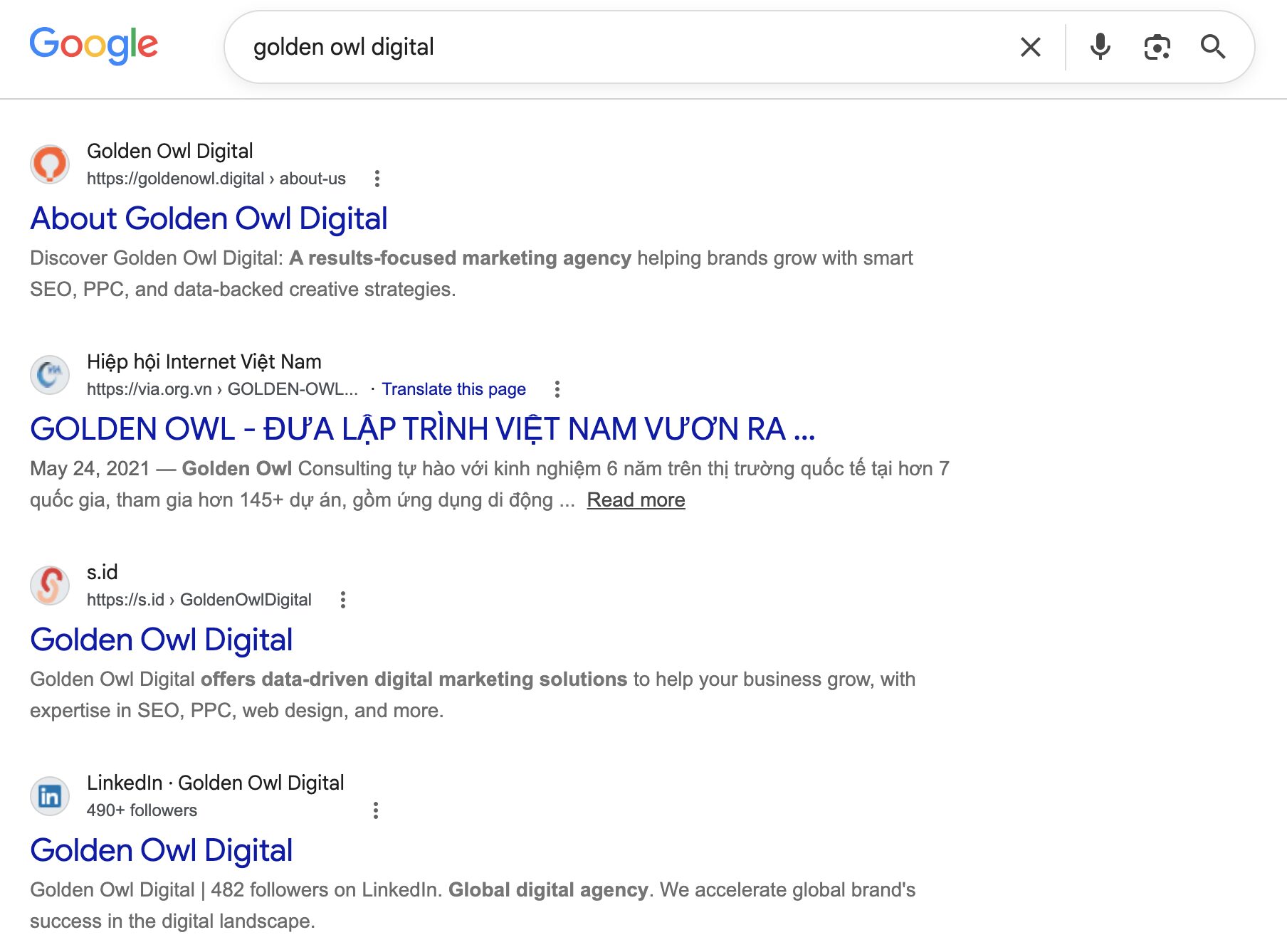
Do the top pages have named authors with real bios? Are they using unique photos and original data, or is it all stock images and recycled stats? Do they link out to original research or include quotes from other known experts? This is how you figure out the table stakes, the minimum level of E-E-A-T you’ll need to even get in the game.
Integrate E-E-A-T into Your Broader Content Strategy
The best way to show off your expertise is to build your content around a topic cluster model. This just means you have one big, central “pillar” page on a broad topic, and then a bunch of smaller “cluster” articles that go deep on specific parts of it.
So, a financial planner who specializes in helping ‘first-time homebuyers in Texas’ might have a pillar page called ‘The Ultimate Guide to Buying Your First Home in Texas’. That page gives the big-picture overview. But the real magic, the part that proves their experience, happens in the cluster posts.
These are where you prove you know your stuff with articles like ‘How I Helped a Client Navigate Austin’s Competitive Market,’ a practical guide like ‘Comparing FHA vs. Conventional Loans for Dallas Buyers,’ and a warning-shot post like ‘5 Overlooked Clauses in Texas Real Estate Contracts’. This is where you tell your stories and show your work.
How to Show First-Hand Experience
Showing you’ve actually done the thing you’re writing about is the only way to turn your content from a disposable commodity into a genuine asset. It’s about baking in undeniable proof that you’ve been in the trenches.
Lead with Your Unique Take
Any intern can ask an AI for a summary of the top five articles on a topic. That’s not where the value is. The real meat is in the nuance, the part where you can say, “Sure, the conventional wisdom is X, but here’s where that falls apart in the real world.”

So for your next post, lead with an observation you’ve only got from working with your own clients. Describe what you have observed in practice. Share a quick story that pokes a hole in a common belief. That’s the kind of insider baseball an LLM just can’t scrape and re-spin.
Use Your Own Photos and Screenshots
The quickest way to signal that you’re the real deal is with your visuals. When you use your own data charts, original photos, and annotated screenshots, you build instant credibility. It shows you’re not just talking the talk.
This fosters confidence in the authenticity of your methods. It also boosts user engagement and increases the time people spend on the page. Using your own visuals enhances the utility and shareability of your page.
Toss the stock photos, let’s be real, that person smiling at a laptop isn’t fooling anyone, and show your actual work. This means showing the messy process, not just the polished final product. For example, if you are writing about baking, include a picture of the unkempt dough, not solely the finished cake. The “in-progress” shots or even the “what went wrong” pictures are where true experience shines through.
Circle the exact button you’re talking about in a screenshot. Snap a photo of yourself actually using the product you’re reviewing. This is potent stuff that can’t be faked.
Tell Personal Stories or Share Case Studies
Stories are what turn abstract advice into something concrete that people can actually connect with. You don’t need a complicated story arc. A simple “Here was the problem, here is what I did, and here is what happened” is all it takes to transform a generic list of tips into a relatable demonstration. You’re no longer just giving advice; you’re walking the reader through your process.
Write from a First-Person Perspective
On a much simpler note, just use “I” and “we.” When you write “I found that…” or “We tested three different options,” you are explicitly planting a flag on that insight. It makes the experience yours. It’s a dead-simple way to claim ownership and makes it incredibly awkward for an AI to plagiarize your work without looking ridiculous.
How to Prove Your Expertise
We’ve covered proving what you’ve done. Now let’s talk about proving what you know. An AI can scrape the internet and stitch together a pretty convincing article, but it has no real-world experience to back up its claims.
It has no credentials or history. This is where you, the human, have an unbeatable edge.
Write Author Bios That Build Credibility
What does your author bio say about you? It’s a direct line from the content to the real, living person who wrote it. It’s your chance to show there’s a qualified expert behind the curtain. This is not the time to be modest.
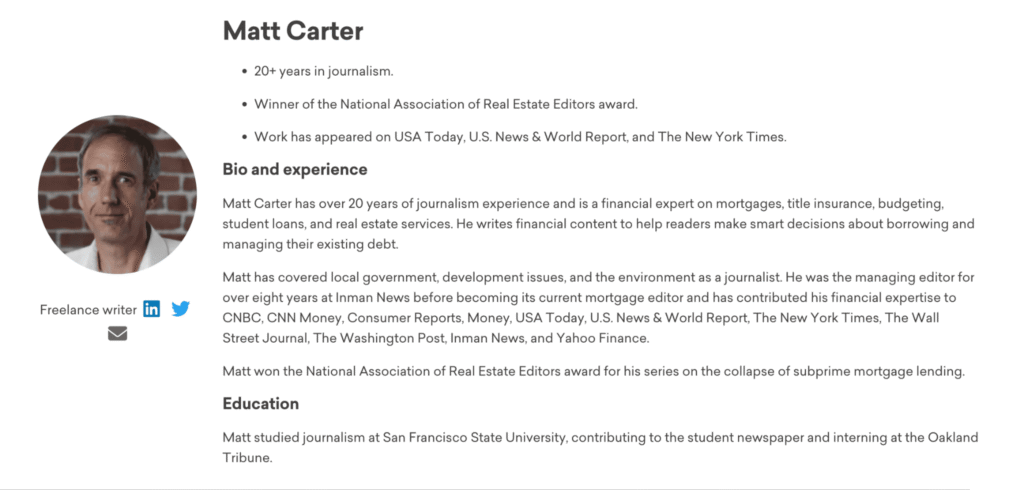
Do not be shy about your accomplishments. List the author’s relevant jobs and education, along with any certifications that matter. You should also reference past work, published articles, or significant accomplishments.
Make sure you also include a professional photo and a link to their LinkedIn profile or personal website. It’s about creating a simple, verifiable trail of breadcrumbs that proves this person is the real deal.
Display Your Credentials and Qualifications
Are your qualifications easy to find? If you have industry awards, official partner logos, and certifications, get them out of the bio and put them right on the page where people can see them. Think visual badges on your key service or product pages. It’s at-a-glance proof that you’ve earned your stripes.
Create In-Depth, Comprehensive Content
Expertise isn’t measured in word count. The goal is to be comprehensive, not just long. A tight, 1,000-word article that solves a reader’s problem from start to finish is way more valuable than a rambling, 5,000-word monster that dances around the answer. The shorter, focused piece is the better resource every time because it respects the reader’s time and actually helps them.
Create Digital Products to Solidify Your Expertise
Imagine packaging your knowledge into a product. When you build something, like an online course, an ebook, a paid newsletter, or even a small software tool, you’re making a bold statement. It shows you know your topic so well you can structure it, teach it, and successfully sell it.
Keep Your Content Accurate and Up-to-Date
Stale content is a quiet killer. It tells visitors you’re not paying attention anymore, and it slowly tanks your credibility and your rankings. Performing regular updates demonstrates your commitment to quality. Make it a priority to refresh pages that get steady traffic or that used to perform well but have started to slip.
You can find these pages pretty quickly in Google Search Console. Here’s a simple plan: go to the Performance > Search results report and compare your traffic from the last 3 months to the period before it. Then, click over to the ‘Pages’ tab to see which articles are bleeding traffic.
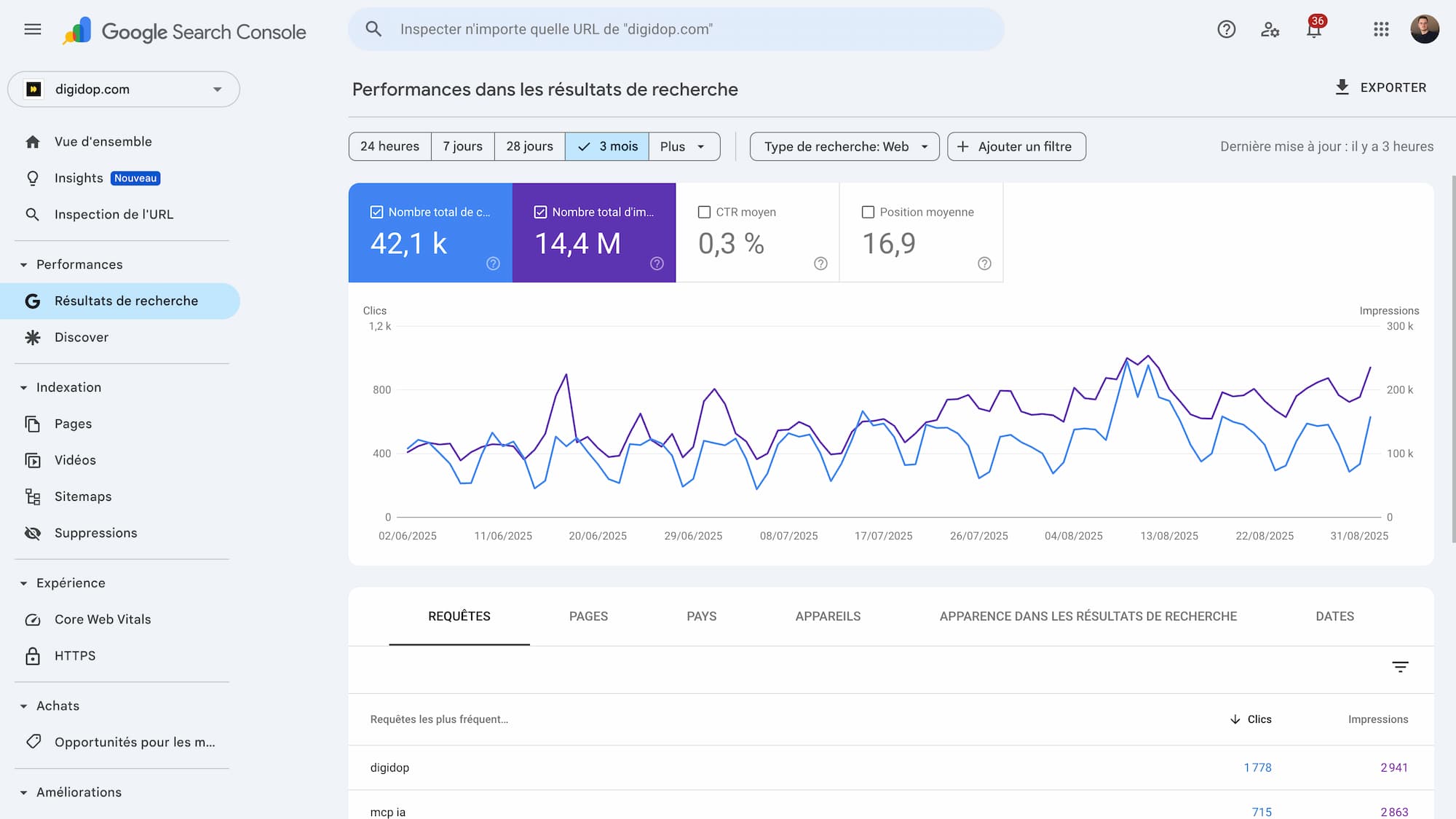
You can also look for pages that get tons of impressions but very few clicks, or check the Pages > Page indexing report for anything listed as ‘Crawled – currently not indexed’. That’s Google’s polite way of saying it saw your page but didn’t think it was good enough to show to anyone.
But a refresh isn’t just about fixing a typo or updating a stat (though you should do that, too). It’s a chance to make the whole piece better. You can revise sections that are no longer true, add new data and links, weave in new personal insights you’ve gained, or completely reorganize the content so it’s easier to follow.
How to Build Your Authoritativeness
Alright, let’s talk about the one piece of this E-E-A-T puzzle you can’t just gin up on your own: authoritativeness. This is all about what other people on the web are saying about you. It’s your reputation, and it’s built by getting nods of approval from other respected players in your space.
This is the slow, patient work that AI-generated content mills simply can’t fake. They can spit out articles by the thousand, but they can’t build a real reputation. This is a marathon, and they’re built for a sprint that leads right off a cliff.
There are no shortcuts here. Just the real work of building a brand people trust.
Write for Other Respected Sites in Your Niche
Getting your name and ideas published on an established site in your industry is one of the fastest ways to build authority. When a reputable blog gives you a platform, they’re basically telling their audience, “This person knows their stuff.” You’re borrowing their hard-won credibility.
- Finding the spots: The easiest way to start is with a few simple Google searches. Just type in things like ‘[YOUR NICHE] write for us’ or ‘[YOUR NICHE] contributor guidelines’ and you’ll get a list of potential sites to pitch.
- Sending the pitch: Keep your outreach email short and to the point, with a respectful tone. Editors are busy people. Here’s a simple template that gets the job done:
Subject: Guest Post Idea for [Site Name]: [Your Proposed Title]
Hi [Editor’s Name],
I’ve been reading [Site Name] for a while and really liked your recent article on [Topic of a specific article]. It got me thinking about the disconnect I see between [Topic A] and [Topic B].
I’d love to write a guest post for your audience that closes that gap. My proposed title is: [Your Proposed Title].
I’d plan to cover [a one-to-two sentence summary of your post], giving your readers a practical plan they can put to work right away.
To give you a feel for my writing (and let’s be real, this is the part you’ll probably skip to), here are a couple of pieces I’m proud of:
- [Link to your best relevant article]
- [Link to another relevant article]
Would something like that be a good fit for your readers?
Best, [Your Name] [Link to your blog/portfolio]
Feature Other Experts in Your Content
Now, let’s flip that coin over. Featuring other specialists on your own site is another great way to signal authority. You could publish guest posts from them or run an interview series; another approach is to put together an expert roundup. Doing this shows that you’re a central hub for credible info in your field, not just a lone voice.
This move is especially smart for any “Your Money or Your Life” topics. Let’s say you run a blog about healthy eating but you’re not a registered dietitian. You don’t have to go out and get a PhD to be seen as credible. Instead, you can have a qualified expert review your content and then add a simple note at the top of the post, like: ‘A certified [Profession], [Expert Name], has confirmed the accuracy of these steps.’ It’s an easy way to borrow their authority and give your readers peace of mind.
Build an Active, Professional Social Media Presence
An active social media profile is proof of life. It shows you’re a real, breathing person or company that’s engaged in your industry, not some faceless content farm. The point isn’t to go viral; it’s just to show up consistently and professionally on the channels that matter for your niche.

This typically means having some kind of presence on a mix of platforms like Facebook, Twitter, Instagram, and LinkedIn. Over time, this steady activity becomes another off-site signal that reinforces who you are.
Create a Detailed ‘About Us’ Page
In an era of anonymous, AI-generated websites, a good ‘About Us’ page has become a huge advantage. This is your chance to tell your story and introduce your team with real names and faces, while also laying out your mission. It creates a human connection that people are craving. But it’s more than just a feel-good branding exercise; it’s a direct, powerful signal of trustworthiness that both your readers and the search engines can clearly understand.
How to Establish Trust and Credibility
A visitor’s trust is the glue that holds this whole E-E-A-T thing together. Without it, your experience doesn’t matter, your expertise feels hollow, and your authority is just noise. These on-page signals and technical details are the non-verbal cues that tell a real person, “this place is legit, you’re safe here.” They show you respect your visitors enough to get the basics right.
Back Up Claims with Data and Authoritative Sources
Making claims without expecting people to believe you is not a viable strategy. Showing your work is essential. When you back up what you’re saying with links to reputable sources, you’re signaling that your content is built on solid research.
For example, if your food blog says something like, ‘Sweet potatoes contain lots of vitamin A’, you’d better link to a recognized health authority to prove it. An article that references nothing and links nowhere is more difficult to validate.
This isn’t just about one-off claims, either. Weaving in links to respected industry leaders like Google or Search Engine Journal helps both your readers and the search engines see that you know what you’re talking about. Google considers citations a signal of quality, especially from well-known authorities. An article that doesn’t reference anyone else feels isolated and, frankly, a lot harder to trust.
Show Off Your Reviews and Testimonials
Why not let other people do the talking for you? Positive reviews and high star ratings are powerful endorsements because they come from real customers. This is the kind of stuff that puts new visitors at ease, and on platforms like Trustpilot or Google, it becomes a very public scorecard for your reputation.
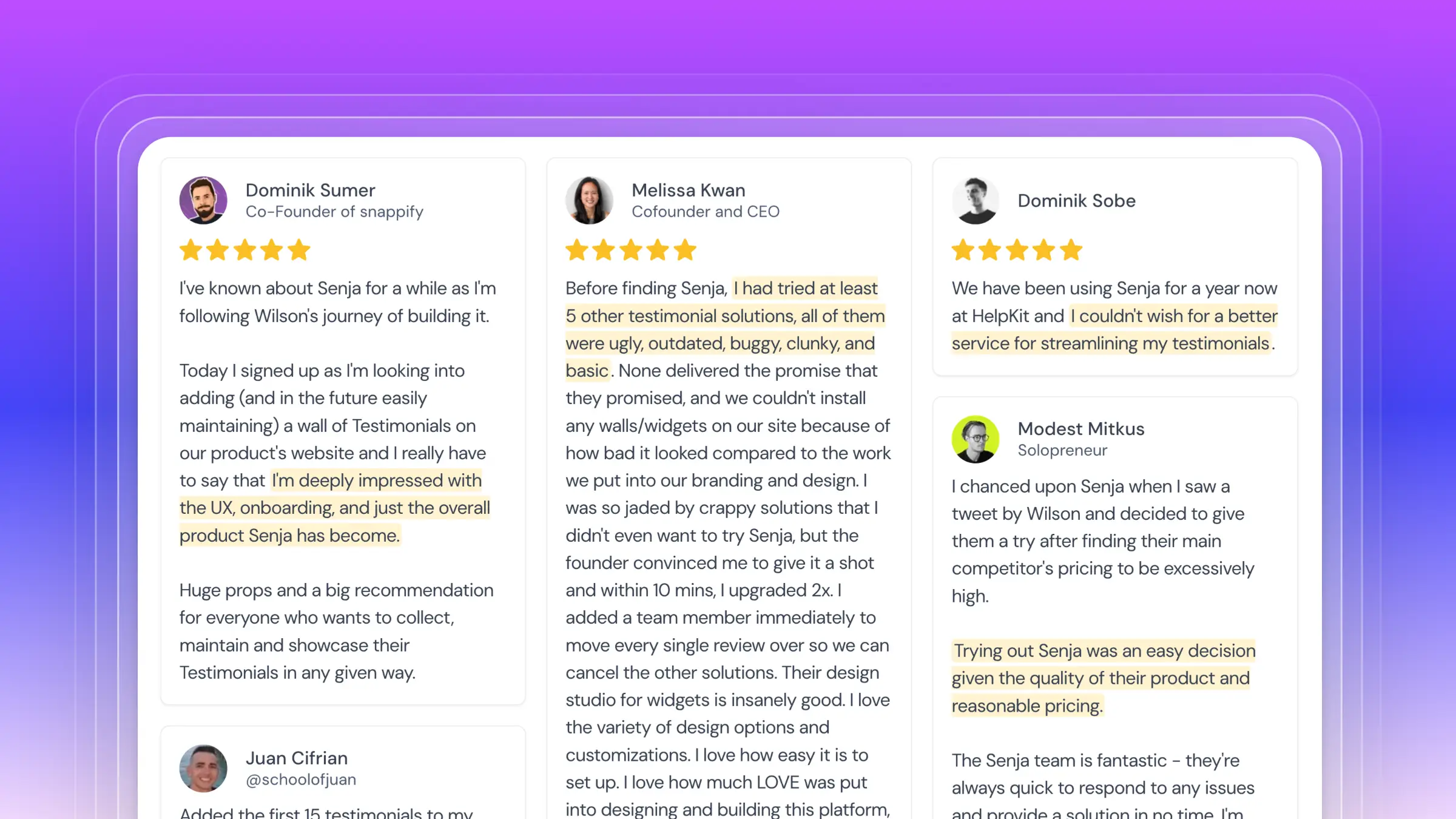
So, don’t be shy. Layer these trust signals right onto your site. You can pull in authenticated reviews from services like G2, use screenshots of glowing testimonials (with permission, of course), and display logos of partners or media outlets that have featured you.
Make Your Contact Info Easy to Find
Nothing screams “sketchy” like a website with no contact page. Before anyone is going to buy from you or even take your advice seriously, they want to know there’s a real, accountable business behind the screen. Being transparent here is one of the fastest ways to build credibility.
And don’t just throw up a contact form and call it a day. A complete contact page is a start, but you can go further.
An “About” page with photos and bios of your team helps put a face to the name. Links to your company’s social media profiles show you’re active and engaged. And if you have a physical location, listing the address provides another layer of legitimacy.
Secure Your Website with HTTPS
There is no longer any debate on this. If your site is still on HTTP, you have a problem. An unsecured website is an immediate deal-breaker for many visitors and a cut-and-dry sign of an amateur operation.
Google started using a secure connection as a ranking signal way back in 2014. Your web host should give you a free SSL certificate to get on HTTPS. If they don’t, it’s time to find a host that lives in the current decade.
Focus on a Good User Experience
A slow, clunky, or broken website tanks trust before your visitor even reads a single word of your brilliant content. It doesn’t matter how great your article is if the site itself is so frustrating that people just give up and leave. Google’s Core Vitals are the technical standard here, but they basically just measure how fast your page loads, how quickly someone can interact with it, and whether things jump around on the screen while it’s loading.
Structure Posts for Scannability
Do your articles look like a solid wall of text? People consume online material very differently than they do a book or a formal report; they scan. If you present a solid wall of text, you’re going to lose readers fast. Clear headings and short, punchy paragraphs make it much easier for people to find what they need.
As a rule of thumb, try to keep your paragraphs to no more than 3-4 lines.
Using plenty of white space, pull quotes, bullet points, and images will break up the page and make it easier on the eyes.
Add a Table of Contents for Easy Navigation
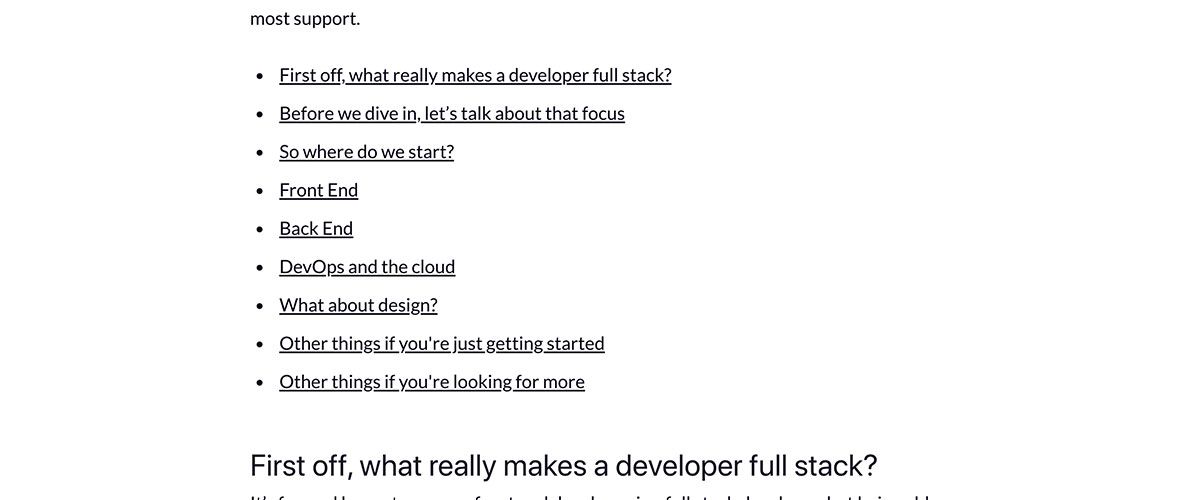
For any post that has some length to it, a table of contents is a simple and powerful nod to the user. It shows you’ve organized your thoughts and you respect their time enough to help them jump straight to the section they care about. Most modern SEO plugins, including popular ones like Yoast or RankMath, can set this up for you in just a few clicks.
Develop a Smart Internal and External Linking Strategy
Your linking strategy says a lot about your confidence. A site that only ever links to its own pages comes across as insecure and self-serving. But when you link out to other authoritative sources like Search Engine Journal or Google, you’re showing that you’re part of the broader conversation in your industry. While internal links are key for helping users and search engines navigate your site, a healthy mix of external links is what signals credibility.
Publish Clear Editorial Policies
This is a huge, underused tool for building trust. Create a dedicated page on your site that outlines your editorial standards. How do you ensure factual accuracy? What’s your process for sourcing information or correcting errors?
You also need to be point blank about how you handle affiliate links or sponsored content. Just having this page shows you’re committed to transparency.
Edit Your Work to Avoid Basic Errors
After all this work, don’t let sloppy mistakes undermine everything. Clean, error-free writing is one of the most basic ways to look professional.
Typos and bad grammar make you look careless, which instantly weakens your credibility. Running every single post through a tool like Grammarly is just table stakes for playing the game.
How to Audit Existing Content for E-E-A-T
Is every page on your site building your authority, or is it an anchor dragging you down? A content review is how you figure out which is which before Google does it for you. This isn’t some nostalgic spring cleaning. It’s strategic triage.

Your job is to find and fortify your most valuable pages while being ruthless about tossing the low-quality content that’s thin or stale and quietly tanking your site’s reputation. We’re applying the same E-E-A-T lens we use for new stuff to everything you’ve already published. Some pages will need a total rewrite, while others might only require a quick data refresh or even deletion. For the first time in a while, we have a clear plan for making these calls that doesn’t rely on gut feelings.
A Prioritized Audit Checklist
The audit process begins with your most valuable pages, the ones with the most organic traffic, the most conversions, or the best backlinks. These are your VIPs, and they get audited first. For each one, you will assign a rating from 1-3 based on its perceived experience, expertise, and trustworthiness.
Rate each page for Experience on a scale of 1-3, asking if it offers original insights. The pages with the lowest scores are your new top priority.
Toss this all into a simple spreadsheet. You’ll want columns for the URL, a priority level, the specific E-E-A-T problem you found, and what you’re going to do about it. For example, if you find a blog post leaning on stats from 2019, that’s a low score for ‘Expertise’.
The action is to update the data and add a “Last Updated” date, making it a medium-priority fix. A high-priority fix might be a generic listicle that’s all talk and no ‘Experience’; the action there is to weave in a real story, add unique screenshots, and consider switching to a first-person voice. A low-priority fix could be adding a standard author bio box to a post that lacks one, which addresses ‘Trust’.
Then, run every single one of those priority pages through a simple, brutal checklist.
- Is the content correct and thorough?
- Is an author clearly named?
- Can you find them and their credentials with a quick search?
- Are your claims backed up by links to current, credible sources?
- Has the page been seriously updated in the last 18 months?
Your brand’s voice and whether the page works well on mobile devices are table stakes here, too.
How to Measure the Impact of Your Changes
You’ve done all this work, but how do you know if it actually moved the needle? You’ll need to track the results by combining what you see in Google Analytics with the raw performance data from Google Search Console. When you push an update live, drop an annotation in Google Analytics on that date so you can see a clean before-and-after. Google doesn’t give you an “E-E-A-T score,” so you have to look at proxies like average time on page going up and bounce rate going down.
In Google Search Console, you’re looking for leading indicators that things are working. Keep an eye on your position in the search results and the number of impressions for your key search terms… (cue the PTSD of being asked “why aren’t we first?” daily).
If those are climbing steadily, you’re on the right track. Other good signs are more backlinks from other solid websites and more comments from users. More people sharing your stuff on social media is another good sign.
Recommended Tools for Tracking Signals
A good E-E-A-T toolkit is pretty simple. It’s a mix of Google’s free stuff and a couple of specialized tools to dig deeper.
- Google Search Console: This is your home base for watching clicks and impressions, along with the overall patterns of your search performance.
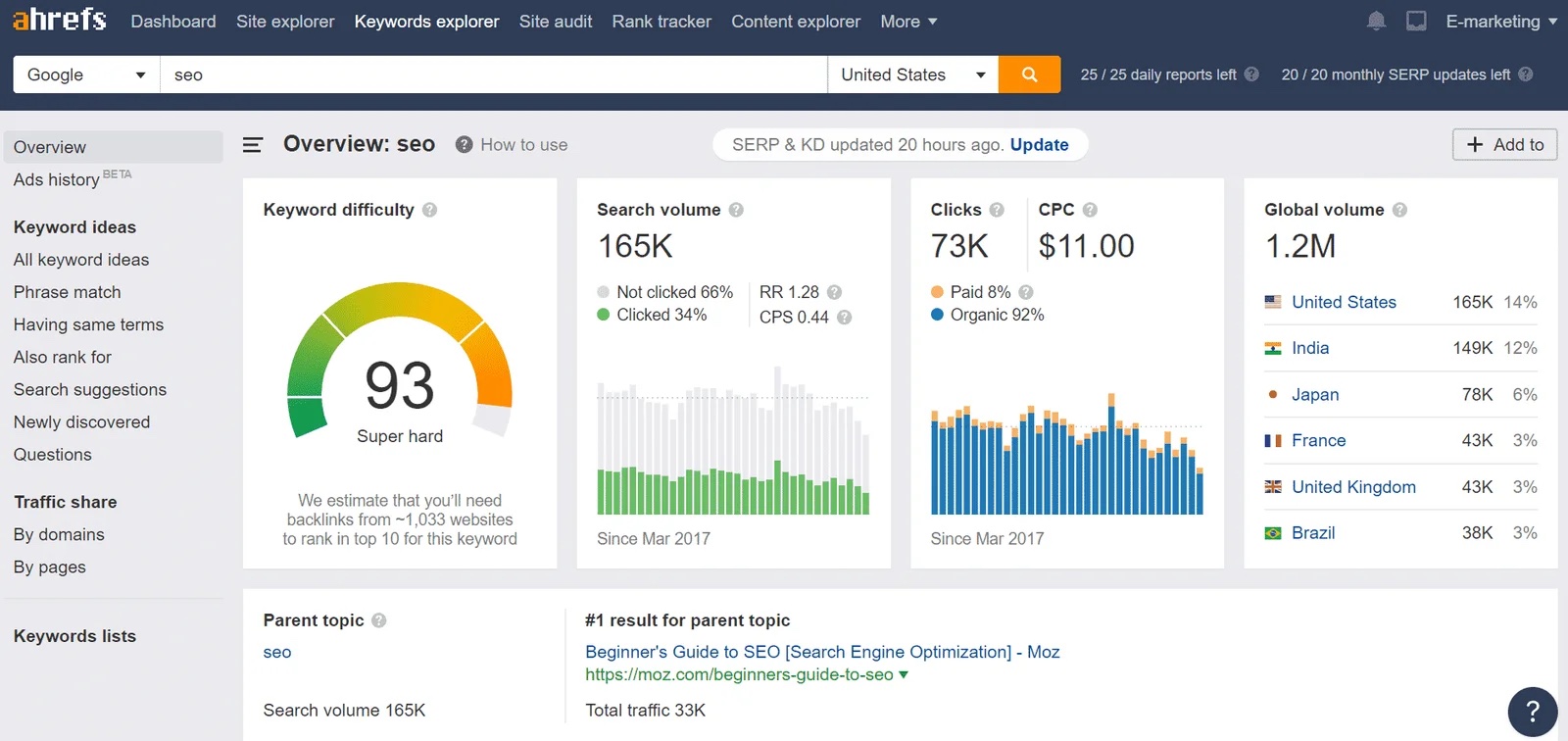
- Ahrefs or Moz: Pick one of these to keep tabs on your site’s authority and backlink profile, and to see what your competitors are up to.
- Brand24: Use this to catch what people are saying about you online, even when they don’t link back to you, and get a feel for brand sentiment.
How to Recover from a Google Update
The natural reaction to seeing your traffic suddenly tank after a Google update is, of course, to panic. But if you think you got hit by something like the Helpful Content Update, which a lot of SEOs started calling the HCUX update because it seemed so focused on user experience, the worst thing you can do is start frantically deleting pages. If you believe you’ve been negatively affected, avoid deleting content in a panic. Recovery is about methodical diagnosis, not guesswork.
The upside? There’s a clear path forward. First, pinpoint the exact date your traffic dropped.
Then, use Google Search Console to see which specific pages and search queries took the biggest hit. Finally, go look at the search results for those queries now and study what kind of content is winning. That’s your new playbook.
This simple table structure can be used in a spreadsheet to organize your audit. Start with your most critical pages.
| URL | Priority (High/Med/Low) | E-E-A-T Issue | Action Item |
| /blog/your-post-1 | High | Lacks “Experience”; content is too generic. | Weave in a personal anecdote, add unique screenshots, and adopt a first-person voice. |
| /blog/your-post-2 | Med | “Expertise” is outdated; data is from 2019. | Refresh statistics, fix any broken links, and include a “Last Updated” timestamp. |
| /blog/your-post-3 | Low | Lacks a clear author bio for “Trust”. | Implement a standard author bio box at the end of the post template. |
Common E-E-A-T Myths and Mistakes
The conversation around how to demonstrate E-E-A-T in blog posts is where panic sets in and bad advice starts to fly. This is usually because people are looking for a quick fix or a shortcut, and that mindset just doesn’t work here anymore. It leads to a pile of myths and mistakes that don’t just stall your progress, they can actively hurt the credibility you’re trying so hard to build. Let’s clear the air on some of the biggest ones.
Clearing Up the Myth of an ‘E-E-A-T Score’
Does Google have a single, trackable “E-E-A-T score” for your site? This is one of the most damaging myths out there. We’ve been down this road before (remember chasing the public PageRank toolbar?), and it’s just as much of a distraction now as it was then.
Stop digging through your analytics for a number that isn’t there. It doesn’t exist.
E-E-A-T is not a grade that Google assigns to you; it is a quality benchmark that you must achieve. It is a set of principles that applies to your entire site, all at once. There is no single metric you can measure or track. There’s no single number that can capture that, so there’s no single number to chase.
Avoiding the Mistake of ‘Faking Freshness’
This is a classic. You take an old post, change the publication date to today, and hope Google thinks it’s brand new. It’s a tempting shortcut, but it’s also a transparent trick that Google’s systems and human raters are trained to spot and penalize. If you want credit for an update, you have to do the work: refresh your data and add new personal experiences, making the article genuinely more helpful.
Avoiding the Mistake of Anonymous Content
In a world drowning in AI-generated noise, publishing content without a real author’s name and a clear bio is a massive mistake. It directly attacks every pillar of E-E-A-T. Anonymity is the polar opposite of credibility, and it’s a self-inflicted wound you can easily avoid.

This same logic applies to other common shortcuts. If you’re using AI content without a heavy edit or linking to stale sources, you’re sending the same signal: that you have something to hide. You must also be transparent about affiliate programs or sponsored material.
Think about it from your reader’s point of view. If they can’t figure out who wrote something and what makes them qualified to say it, why on earth should they trust it? A post without an author is just a wasted chance to build a connection.
Understanding Google’s Stance on AI Content
What is Google’s official position on AI content? It is more nuanced than most people think. Back in the September of 2023 Helpful Content Update, they made it clear they want content made for people, but they also said it’s “not necessarily” a problem if it’s not made by people.
The takeaway for you is simple: if you use AI, you have to be the grown-up in the room. You can use AI to expand on straightforward, factual parts, but you must personally compose the most vital sections to provide core insights. The final human edit is the most essential part of the process you cannot skip.
You are required to review, edit, and rewrite the entire article to confirm it has a uniform voice, is 100% factually accurate, and is infused with your personal experience and expertise. That part is not optional.
Understanding Google’s Unhelpful Content Updates
The March 2024 Core Algorithm Update shows that Google isn’t just publishing guidelines and hoping for the best. It is all the proof you need. It was designed to go after low-effort, unedited AI content, with the public goal of cutting down the amount of unhelpful stuff in search results by a whopping 40%.
DO NOT BE PART OF THAT 40%. Sorry for yelling. I’m right, though.
E-E-A-T in Action: Examples
So what does E-E-A-T actually look like on the ground? The key thing to get is that E-E-A-T isn’t a single action you take. It’s the sum of all the parts.
It’s the difference between a piece of content that just exists and one that earns its keep. Let’s look at a couple of real-world cases.
Improving a Homeware Brand’s How-To Post
Imagine a homeware company with a how-to guide on furniture restoration that was going nowhere. Instead of just running it through an AI for a cheap refresh, they did the smart thing: they hired a certified restorer to rewrite the whole thing from scratch, based on actual experience.
They didn’t stop there. They added original photos from the project and a video walkthrough. They also landed a backlink from a big woodworking association (and yes, that’s the part everyone wants to skip).
The result? A 48% jump in organic traffic in just 6 months, and they picked up 12 new industry backlinks along the way.
Building Authority for a Local Fitness Studio
This isn’t just for online brands; it works for local businesses, too. Take this neighborhood fitness studio. They wanted to build some real authority, so they worked with their own certified personal trainers to create a top-notch fitness guide.
They also forged a strategic content alliance with a local sports clinic to layer in short instructional videos, which gave them another layer of credibility. After just three months, their main page for this guide went from being buried at position 20 to sitting at position 6. That move drove a 27% bump in new member sign-ups coming from search.
Examples of Low-Quality Pages to Avoid
The flip side is also helpful to consider: what Google views as low-quality. It’s fair to ask what these pages have in common, and the answer is almost always a gap between the topic and the author’s real-life experience. Think of a restaurant review written by someone who never set foot in the place, a food blog offering downloadable legal forms, or an article about building a CRM written by someone who’s never seen one. When the advice is bad, like a financial blog with stale tips, it’s not just useless, it’s dangerous.
Ultimately, if a page has insufficient details about the website or its author, a shady layout, or other hallmarks of scams or malicious software, it’s just begging to get penalized. The common thread here is simple: the page was built to fool someone or do them harm.
Frequently Asked Questions (FAQ)
What is the difference between E-A-T and E-E-A-T?
The big change, which rolled out in December 2022, was the addition of a second “E” for Experience. Google needed a clear signal to separate content showing real, first-hand use of a product from an AI-generated summary that just scrapes the web. It’s a direct reward for proving you’ve actually done the thing you’re talking about.
How does E-E-A-T help with content planning?
It acts as a fantastic filter for your content ideas. Instead of chasing every high-volume keyword, you can now ask, “Do we have genuine, provable experience here?” If the answer is no and any AI could write a similar piece, you toss that idea and focus your energy on topics where you have a real right to speak.
Is E-E-A-T more important for certain topics?
Yes, absolutely. Google is wayyyy stricter about this for what it calls ‘Your Money or Your Life’ (YMYL) topics. We’re talking about medical advice, financial planning, or legal guidance. If bad information could cause serious harm, you can bet the E-E-A-T standards are through the roof.
Can a new website demonstrate E-E-A-T?
You can show Experience and Expertise right out of the gate. If your content is created by people who are true experts with first-hand knowledge, you’ve got those two covered from day one.
But Authority and Trust are different. Those have to be earned over the long haul by being consistently right and reliable. There are no shortcuts; you build that kind of reputation over years, not months.
This shift from tactical SEO to brand-level strategy isn’t optional anymore. You now have the playbook for how to demonstrate E-E-A-T in blog posts, helping you filter your ideas, audit your content, and prove your value in a way a machine can’t copy. The goal is to build a brand with such undeniable experience and trust that you become the source everyone, including the AIs, has to cite. Your job is to build the thing worth summarizing.