Your best prospects aren’t clicking through a list of links anymore. They’re starting their journey on platforms like ChatGPT, Perplexity, and Google SGE. They ask a question and get a direct, summarized answer. The AI does all the reading for them, and your content, your blog posts, your case studies, just becomes raw data for the machine. You never even get the visit.
If your content isn’t built to be the definitive, citable source for that AI-generated answer, you’re basically invisible. This isn’t about a small tweak to your SEO. It’s a complete shift to a new way of working, what I call B2B answer engine optimization. It’s the only way you’re going to get seen.
The Competitive Risk of Ignoring B2B Answer Engine Optimization
The biggest mistake I see people making is trying to cram Answer Engine Optimization into their old SEO checklist. It feels comfortable, I get it. But it’s a fatal error. Thinking of this as just “SEO for AI” is how you become invisible to your best customers right when they’re ready to buy. In this new world, if you aren’t the one answer they get, you get zero attention.
Why AI Search Is a Winner-Take-All Game
AI search doesn’t have a front page full of options. It just gives a single, combined answer. A single response is featured, leaving no room for runners-up. Your brand is either in that answer, or for all practical purposes, you don’t exist.
Think about the old Google search results. The top spot might have gotten around 30% of the clicks, and second place still pulled in a respectable 15%. There was room for a few winners. With AI, the line terminates at one station. If you’re not that destination, you get nothing. Classic search is a marathon with multiple recognized finishers; AI visibility is an Olympic final with one gold medalist.
How AEO Differs from Traditional SEO
With old-school SEO, your goal was to get a whole webpage to rank so a person could click and read it. A generative system removes that manual labor. With AEO, the AI isn’t looking for a page. It’s hunting for a specific, bite-sized chunk of text that directly answers a question.
And when the AI finds that perfect little passage, it short-circuits the whole process. The user doesn’t need to click, read your beautiful blog post, or compare different options. The search is over.
The Direct Impact on High-Intent B2B Leads
If you don’t show up in that first AI answer, you’re not just losing a click. You’re eliminated from the deal before your sales team even knows a deal exists. Your competitor gets to frame the entire problem and solution for the buyer, all while you’re completely out of the picture.
A study called The Answer Economy: G2’s 2026 AI Search Insight Report found that for B2B software buyers, AI chatbots are now the #1 source they use to build their vendor shortlists. The same report showed that 69% of buyers were convinced by an AI to switch to a different vendor (which is a lot if you’ve ever done it!), and 33% ended up buying from a company they’d never even heard of before.
How B2B Buyers Use AI for Self-Service Research
This big shift toward AI isn’t coming out of nowhere. It’s just pouring fuel on a fire that was already burning. Buyers have wanted to do their own research for years, and AI is just a much better tool for the job. Gartner backs this up, reporting that 67% of B2B buyers now want a buying experience that doesn’t involve a sales rep at all.
That sounds really obvious, but don’t miss the deeper point. It’s not just about dodging sales calls. Buyers are actively looking for the efficient, on-demand, and accurate answers that AI can give them. They want self-service that actually works.
How Answer Engines Select Winning Content
While the exact algorithms are locked away, the machines leave clues. They have predictable habits, and if you watch what they cite across the board, you start to see a pattern. The whole game is shifting your mindset from human engagement to machine readability, producing work that an algorithm can understand without a shred of doubt.

AI Prefers Clarity and Self-Contained Answers
An answer engine doesn’t read like you or I do. I used to write these long, winding introductions for my articles, thinking I was setting a thoughtful mood. For an AI, that’s just static. It’s trying to find the answer, and it wants it right now.
Your job is to make your content brutally explicit. Each piece should tackle one question and answer it completely. State the core fact immediately, then follow with supporting details. Give the main point right away, in the first couple of sentences, then use the rest of the space for backup. Use simple language. Define your term, state your claim, or give the key number upfront. The machine is just scanning for the clearest, strongest signal it can find.
Building the Source Authority AI Trusts
AI doesn’t form its opinion of a source from that source’s own website. It builds its understanding from the messy, sprawling conversation happening across the entire internet, analyst reports, news articles, review sites, and forum threads. You don’t control any of it.
You might be a big fish in a small pond on your own domain, but the AI is swimming in the ocean. Perfectly structured content on a website with zero credibility is going to get ignored. These systems put a huge emphasis on source authority, which they measure by looking at third-party mentions, who wrote the content, and what actual customers are saying. Your old SEO signals still count, but they’re just the ticket to the game, not the way you win.
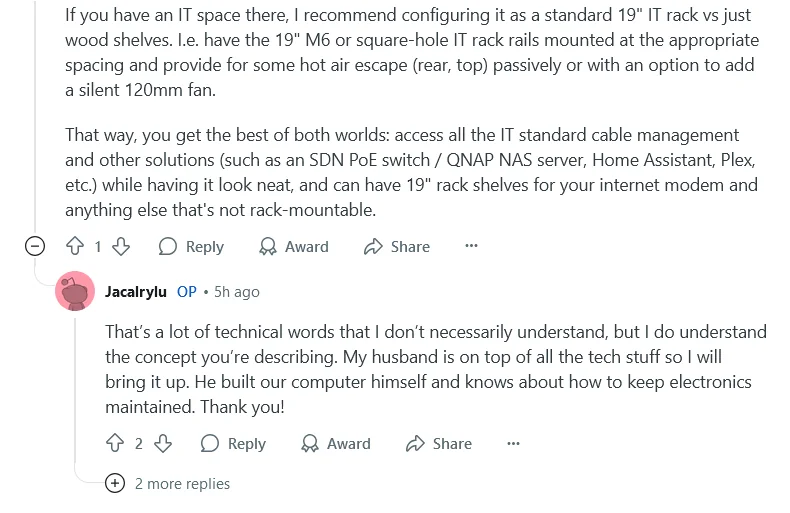
For example, when someone asks a chatbot, ‘What are the biggest problems with [Your Competitor’s Product]?’, the bot isn’t going to read their marketing page. It’s going to go straight to places like Reddit. When it finds a dozen different people all complaining about the same software bug, it synthesizes those complaints into a clear drawback.
Using Data and Freshness as Trust Signals
To be a source an AI trusts, your content has to be specific and verifiable. An algorithm will always gravitate toward text that has hard numbers, recent dates, and links out to other reputable sources. An article that names a specific study and links to it will beat a vague article that just says ‘studies show’ every single time.
Succeeding in this environment means publishing B2B content that automated systems cannot easily invent from scratch. This means you have to start publishing things that a machine can’t just invent on its own. Your unique perspective on the market, real expert insights, and your own proprietary data are what will make you visible. And it’s not just about what you say, but when you said it. New research shows that the URLs cited by these generative tools are, on average, 25.7% fresher than the links you see in traditional search results.
The AI Models and Search Tech Behind AEO
It is not necessary to become an AI engineer. The technology behind all this is really complex, using a mix of semantic search, retrieval models, and what they call retriever, reader architectures. The exact recipes are trade secrets. But the good news is that the citation behaviors are consistent enough across the big players like ChatGPT, Perplexity, and Google’s AI Overviews that you can build a reliable strategy.
If you want to simplify it, think of the system as having two parts that work together: a librarian and a brain. The Large Language Model is the ‘brain’ that understands what you’re asking and writes the answer. But semantic search acts as the system’s ‘librarian,’ constantly indexing the internet to find the most authoritative documents for the brain to use. Your only job is to make sure you’ve written the best, clearest document the librarian can possibly find.
Your AEO Action Plan for B2B
Practical application is key. A real AEO strategy is a recipe. The steps have an order, and following that order is what turns your website into the one document an AI engine trusts above all others. You can hire an answer engine optimization agency to help you cook, but you need to own the recipe.
Find the Questions Your Buyers Actually Ask
Your first job is to build a list of twenty to fifty questions your customers are really asking.
You can start with the usual tools, Semrush, AnswerThePublic, and the ‘People Also Ask’ box on Google. They’re fine for getting a feel for the landscape. But the real answers, the ones that lead to a sale, are buried in your own company’s data.
This means digging through sales call transcripts, CRM notes, and industry-specific LinkedIn groups (and a large amount of work). I know one team that discovered their prospects were constantly worried about getting budget approval, a topic their marketing had never even touched.
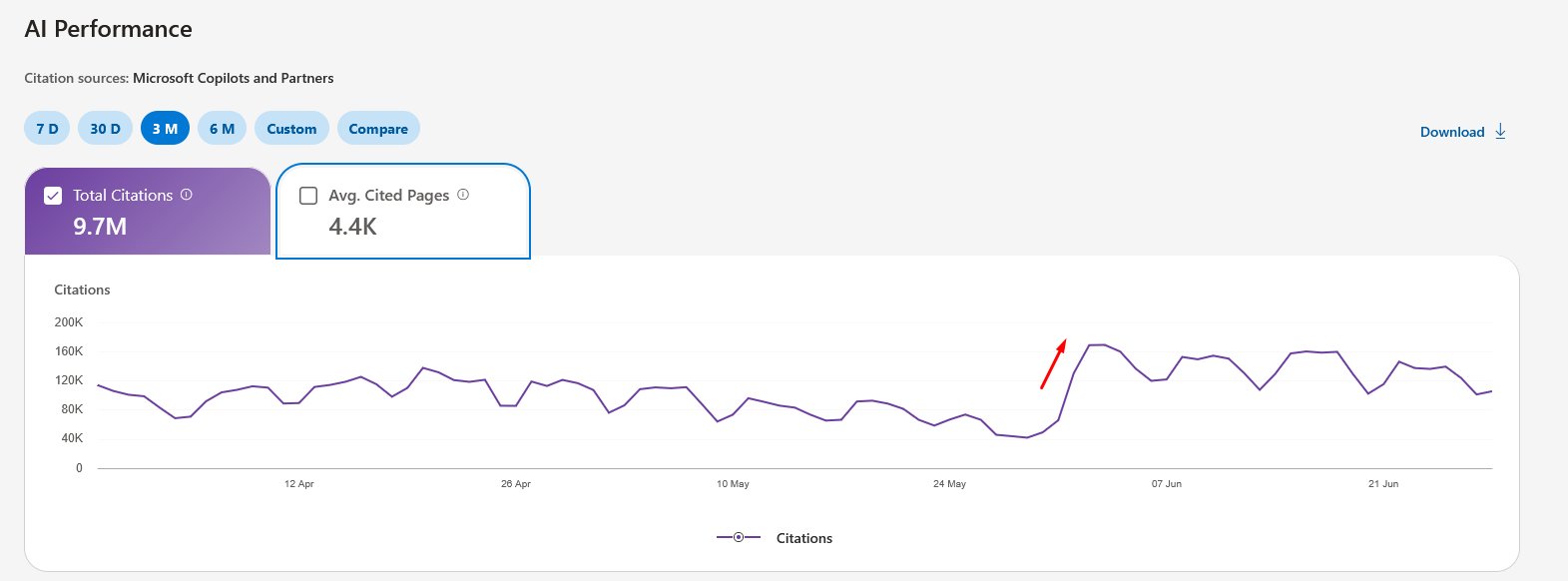
Webinar Q&As are another goldmine. And here’s a pro tip: Microsoft’s Bing Webmaster tools have an AI Performance report that shows you the exact phrases people used on Bing to find your site. They rolled it out back in February 2026, and it’s a direct line into your buyer’s brain.
Structure Content for AI Extraction
A lot of writers make the mistake of burying the answer under a mountain of throat-clearing and background info. Extensive scene-setting, lengthy introductions, and prolonged disclaimers push the answer down the page. The AI engine gets bored or confused and just moves on. It won’t dig for your point.
Realize that an AI is reading your page like a stressed-out student cramming for a test. It just wants the answer. Give it to them, right away, in the first 40 to 60 words. Think of each page as a flashcard: question on the front, quick answer on the back.
Create Unique Content with Experts and Data
If you just repeat stats from another website, the AI knows. It can trace that data back to the original source, and it will give them the credit, not you. This makes it highly unlikely for your domain to get the citation. To be cited as the authority, you have to actually be the authority. This means creating your own content by tapping your internal Subject Matter Experts (SMEs) for the knowledge they’ve gained on the front lines.
How you present that unique data matters just as much. Don’t just take a screenshot of a chart and post it as a PNG/JPG. Even with good Computer Vision (CV), AI models don’t fully trust what they “see” in a flat image. They have a much easier time reading and citing data when it’s presented in clean, simple HTML.
Manage the Technical AEO Requirements
On the back end, you need to leave a clear trail of breadcrumbs for the search engines. So don’t let yourself be intimidated by the technical stuff. Using structured data, like a clean heading hierarchy, Article schema, and FAQ schema, is just you drawing a map for the AI, removing any doubt about which part of your page answers which question. This implementation removes all ambiguity about the claims a page makes. If you add FAQPage schema to a page, you directly tell Google that it contains answers formatted and ready for a featured spot.
This is not a magic trick, though. Schema only acts as a signpost. Pointing a perfectly coded signpost at a piece of thin, useless content does nothing for you. The destination has to be worth the trip.
Maintain a Continuous Content Refresh Cycle
AEO should be treated more like gardening than a project you finish. Keeping your content fresh and relevant is a must. This means going back into older posts and adding real depth: drop in new data your team has gathered, add machine-readable comparison tables, analyze new trends, reformat massive text blocks into easily scannable lists, or append FAQs at the bottom of the page.
Just be smart about it. Always start with your highest-performing pages first.
Local AEO: Answer Engine Optimization for Law Firms
If your business serves a specific location, like a law firm, partnering with leading legal marketing companies for answer engine optimization can give you a massive edge. A great case study is the New York personal injury firm Silberstein & Miklos, P.C. Under their brand Ask4SAM, they stopped writing generic blog posts and started creating content that answered very specific questions about malpractice and accident types right in their clients’ backyard.
For this to work, your basic business data has to be flawless. Your name, address, and phone number (NAP) must be perfectly consistent across every single platform. Proving to the AI that you can answer the question for a customer who is standing right where they are is the goal.
Measuring the ROI of Your AEO Program
If you’re trying to measure this work with your old SEO dashboards, you can stop right now. They’re showing you things like keyword rankings that just don’t mean what they used to. Your goal is to get cited directly in an AI’s answer, and the only way to know if you’re winning is to measure your ‘share of answer’. It’s the new share of voice.

Key Metrics to Track AEO Performance
Start by making a list of 20 or 30 questions your customers actually ask. Then, on a regular basis, you need to run those questions through engines like Google AI Overviews and Perplexity. Every time your domain gets cited in an answer, you document it. That percentage is your share of answer.
Connecting AEO to Your Sales and Marketing Tech
I know you want a clean, simple metric that ties directly to a sale, but AEO doesn’t work that way. The impact doesn’t show up as a click. A buyer’s first real interaction with your brand now happens inside the AI’s answer. Down the road, this shows up as more referral traffic from AI assistants, and you’ll also see a lift in people searching for your brand by name or visiting your site directly.
So instead of hunting for click metrics, you need to look for the broader signals of influence. You’ll start to notice it on your sales calls when you’re talking to prospects who are already incredibly well-informed. Instead, they must identify signals like an expanding volume of sales conversations with highly informed prospects. The other big signal is just a steady, quiet rise in your branded search volume over time.
AEO Case Study: Healthcare Answer Engine Optimization
You can see how this plays out in regulated fields where authority is everything, particularly when implementing ai for healthcare lead generation and seo. Using information from the AI visibility platform Profound, Amsive determined that a deliberate strategy around expertise and trust, or E-E-A-T, is what wins. In the health systems category, for example, Mayo Clinic has a massive 14.1% visibility score.
This shows that building institutional authority translates directly into measurable results. The AI engines are programmed to favor the most trusted source in a field that demands accuracy, and Mayo Clinic’s dominance proves that E-E-A-T isn’t just some abstract concept.
Authority isn’t a buzzword; it’s a number.
AEO Tracking Platforms
You must realize that you can’t track this by hand. With 10+ different AI engines that buyers are using, you need a specialized platform. My advice is to get a free trial for one of these tools and immediately run those 20 or 30 buyer prompts you came up with. See what your mention rate is, check it against your competitors, and pay close attention to which sources the AI cites when it’s not citing you.
- Profound. This is the enterprise-grade tool, with a client list that includes companies like MongoDB, Figma, and Docusign. It has the deepest citation database I’ve seen, covering over 10+ engines, and it’s what you’d use to seriously benchmark your share of voice in your industry.
- Otterly.AI. This is probably the most accessible starting point for most businesses. It tracks citations and sentiment across the big ones: ChatGPT, AI Overviews, AI Mode, Perplexity, Gemini, and Copilot. They offer a 14-day trial with no credit card required, so you can get a baseline without any commitment.
- Peec AI. If your business operates across different countries and languages, Peec AI is the absolute best tool for the job. It’s critical for staying ahead when your footprint is international.
Staying Ahead in AI-Driven Search
Every time a new technology comes along, businesses face the same hard choice: jump in now while it’s messy, or wait until things get standardized? Most of your competitors will wait. That’s your opening. Right now, there’s a huge opportunity to get a head start and build real credibility while the field is still mostly empty. But here’s the thing: it’s a trade-off. You get a massive advantage, but you have to be willing to invest in a system where the rules change every other week. It takes a high tolerance for things not being perfect.
The Strategic Advantage of Early Adoption
Getting in early helps you build a powerful authority moat that’s hard for others to cross later. This is not about marketing campaigns anymore; it’s about building infrastructure. Yet they must pour capital into a shifting ecosystem where technical guidelines constantly change. According to IDC, when they talk to CMOs who are actually getting this right, there’s one thing they all have in common. They’re planning for 12-month content infrastructure projects, not just running another 90-day campaign.
Future AEO Trends to Monitor
It’s so easy to get tunnel vision and only focus on today’s text-based search results. I made a similar mistake years ago by underestimating how fast mobile would take over, and it was a painful game of catch-up. The next big shift is already here, and it’s voice. Corporate purchasers frequently deploy voice queries to obtain fast information. Your buyers, especially in B2B, are using voice queries to get quick facts, and your content has to be there to answer.
To do that, you need to write more like people talk. Focus on very specific, detailed phrases that capture those long-tail searches. The whole point is to write a short, direct piece of text that a virtual assistant can read out as a complete, concise answer.
Preparing Your Content Infrastructure for AEO
Getting your company ready for this goes way deeper than just updating your website. Establishing true readiness extends far past operating an updated corporate domain. This is about making real architectural changes to how you manage data. For AEO to work, your product information management (PIM) systems have to be connected externally. Your digital asset management (DAM) catalogs need to be open enough for automated crawlers to index them, or you’re simply invisible. And it doesn’t stop there. You also have to link up your internal wikis and technical manuals with public-facing databases.
FAQ
What Is the Difference Between AEO and Traditional SEO?
AEO is about getting your content cited inside an AI-generated answer, while traditional SEO is about ranking an entire webpage in search results. That changes how you write. Instead of optimizing pages for clicks alone, you need clear, self-contained answers, structured content, and schema markup that makes those answers easy for AI systems to extract. The goal isn’t just to rank. It’s to become the source the AI trusts enough to cite.
How Can a B2B Company Get Cited in AI Answers?
The best way is to combine strong on-page structure with real authority. Publish direct answers in a clear Q&A format, use Article and FAQ schema, and support your claims with original data and expert insights. At the same time, build credibility through third-party mentions, industry publications, review sites, and communities that AI systems already trust.
How Long Does It Take to See Results from AEO?
You can often spot early signals within a few weeks after optimizing a small group of pages. Meaningful results usually take several months as search engines recrawl your content and AI systems gain more confidence in your authority. Starting with your highest-value pages is usually the fastest way to measure progress.
Does AEO Replace Traditional Content Marketing?
No. AEO builds on the content you already have. Instead of creating everything from scratch, you restructure existing articles so AI can easily extract facts and cite them. The result is content that works for both human readers and answer engines without requiring two separate strategies.
Is AEO Worth the Investment for B2B Companies?
For many B2B companies, yes. Buyers increasingly research vendors through AI before ever speaking to sales, so being cited early helps build trust before your team enters the conversation. As AI search continues to grow, visibility inside generated answers becomes another important channel alongside traditional organic search.
What Are the Biggest Challenges with AEO?
The biggest challenge is creating content that AI can genuinely trust. That means producing original insights, keeping information updated, maintaining technical SEO, and earning authority beyond your own website. Many companies also struggle because their content operations aren’t built to refresh and improve articles continuously.
How Does AEO Improve the Customer Experience?
AEO helps buyers get accurate answers faster. Instead of forcing people to compare multiple webpages, it makes your expertise easy for AI systems to surface when someone asks a relevant question. That creates trust before a visitor even reaches your website.
What Makes Content High Quality for AEO?
High-quality AEO content provides information AI cannot easily generate on its own. Original research, firsthand experience, proprietary data, expert opinions, and clear explanations all make your content more valuable than pages that simply repeat existing information.
What Results Should You Expect from AEO?
A successful AEO strategy can increase AI citations, referral traffic from AI platforms, and overall brand visibility. As your authority grows, it can also strengthen traditional SEO performance because the same qualities that help AI trust your content often improve search visibility as well.
How Much Does AEO Cost?
There isn’t a standard price because every engagement depends on the size of your website and the scope of work. Some businesses begin with a small pilot focused on key buyer questions, while others invest in a full-site rollout or an ongoing retainer to maintain visibility as AI search continues to evolve.
The rules for getting found are changing. AI search isn’t just another channel you have to manage. It’s a fundamental change in how buyers find solutions and decide who they can trust. The job isn’t about ranking a page anymore, it’s about becoming the answer itself. This takes a different way of thinking and a different way of building. For B2B companies, B2B answer engine optimization is the new price of being seen by the customers who matter most, and partnering with an AI SEO Agency is the best way to secure your spot.