

In 2026, shopping search engines function as digital storefront aggregators, allowing users to compare products, prices, reviews, and sellers across multiple stores in seconds. According to industry benchmarks, shoppers who engage with search functions now drive 44% of total ecommerce revenue, despite making up only 24% of site traffic
For ecommerce brands, these platforms function as high-intent traffic channels. That’s why search engines for shopping are becoming increasingly important. Choosing the right ones can directly influence how efficiently brands capture demand and turn searches into sales.
In this guide, we’ll explore the 13 best search engines for shopping in 2026, how they work, and how ecommerce brands can decide which platforms are worth investing in.
What Is a Shopping Search Engine
A shopping search engine is a platform that aggregates product listings from multiple retailers and allows users to search, compare prices, and navigate to the merchant selling the item.
Unlike a single online store, these platforms act as product discovery hubs. They collect structured product data, such as price, reviews, and shipping, from many sellers and display them in a comparison format.

Why Ecommerce Brands Use Shopping Search Engines
For ecommerce companies, these platforms are acquisition channels for high-intent buyers.
Most users searching on shopping engines are already close to making a purchase decision. This makes them valuable traffic sources compared to general awareness channels.
Key Benefits for Ecommerce Brands
| Benefit | Why It Matters |
| Reach high-intent shoppers | Users are already comparing products |
| Increase product visibility | Listings appear across multiple retailers |
| Improve price competitiveness | Brands can monitor competitor pricing |
| Drive incremental traffic | Product listings generate additional visits |
| Support comparison shopping | Buyers can quickly evaluate options |
| Scale product discovery | Useful for large product catalogs |
Many ecommerce brands treat shopping search engines similarly to paid search or marketplaces: a measurable channel where traffic and conversions can be tracked and optimized.
How Shopping Search Engines Work
Most platforms operate using structured product feeds.
Retailers upload a feed containing product information such as titles, descriptions, images, price, availability, and shipping details. The search engine indexes this data and displays it when users search for relevant products.
Product visibility is typically influenced by ranking algorithms and bidding systems. Some listings appear organically based on relevance, while others are promoted through pay-per-click advertising. Users then compare multiple offers and click through to the retailer to complete the purchase.
13 Best Search Engines for Shopping in 2026 to Drive Ecommerce Sales
Below are 13 platforms that consistently drive qualified traffic and ecommerce revenue in 2026.
While some platforms in this list are marketplaces rather than traditional comparison engines, their internal search systems function as large-scale product discovery engines. This is why shoppers increasingly treat them as shopping search engines.
Before diving into each platform, it helps to see how the major search engines for shopping compare at a glance:
| Shopping Platform | Platform Type | Key Strength | Best For | Pricing Model |
| Google Shopping | Product search & comparison engine | Massive global search visibility | Ecommerce brands wanting large-scale product discovery | Free listings + CPC ads |
| Amazon | Marketplace search engine | Extremely high buyer intent and review ecosystem | Consumer goods, private label brands | Referral fees + optional ads |
| Walmart Marketplace | Retail marketplace search | Omnichannel pickup and strong US retail presence | Brands targeting US shoppers | Category-based referral fees |
| Newegg | Niche ecommerce search platform | Highly specialized electronics audience | PC components, gaming gear, electronics | Seller fees + commission |
| Etsy | Marketplace search engine | Strong niche community for handmade goods | Handmade, craft, personalized items | Listing fee + transaction fee |
| Bizrate | Price comparison engine | Verified retailer ratings and price monitoring | Retailers competing on price transparency | Cost-per-click |
| Alibaba / AliExpress | Cross-border ecommerce marketplace search | Large global supplier network | Wholesale sourcing and international buyers | Subscription or commission |
| eBay | Marketplace search engine | Auctions and strong resale ecosystem | Used goods, collectibles, refurbished items | Listing fee + final value fee |
| Visual product discovery search | Image-based shopping and inspiration | Fashion, home décor, lifestyle brands | Free listings + ads | |
| TikTok (via TikTok Shop) | Social commerce discovery search | Viral product discovery | DTC brands and trend-driven products | Commission + ads |
| PriceGrabber | Price comparison engine | Strong electronics and appliance comparisons | Retailers targeting price-sensitive buyers | Cost-per-click |
| Rakuten | Ecommerce marketplace ecosystem | Strong presence in Japan and Asia | Brands entering Asian markets | Subscription + commission |
| Idealo | Price comparison engine | Large European comparison traffic | Ecommerce brands targeting EU markets | Cost-per-click |
1. Google Shopping
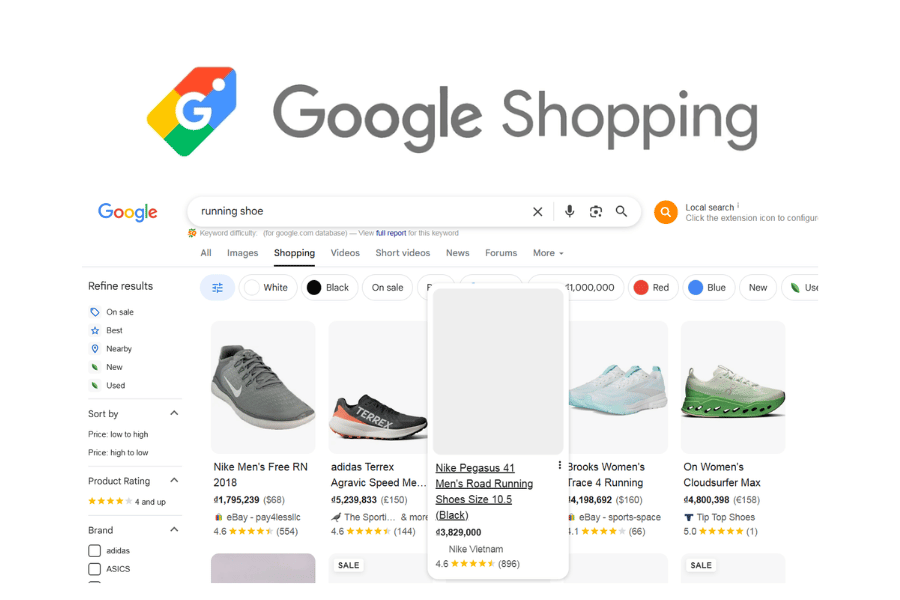
Overview
Google Shopping is the largest shopping search engine globally. It aggregates product listings from ecommerce stores and allows shoppers to compare prices, reviews, and sellers directly within Google search results.
Pros
- Massive global search traffic
- Strong integration with Google Search results
- Advanced targeting through Google Merchant Center
Cons
- Highly competitive for popular product categories
- Requires optimized product feeds and bidding strategies
Pricing
- Cost-per-click (CPC) through Google Ads
- Free product listings also available
Best for
- Ecommerce brands seeking large-scale traffic and product visibility.
For ecommerce brands, success on Google Shopping often depends on feed quality, structured product data, and bidding strategy. This is why ecommerce SEO strategies at Golden Owl Digital typically include product feed optimization alongside traditional search optimization.
2. Amazon
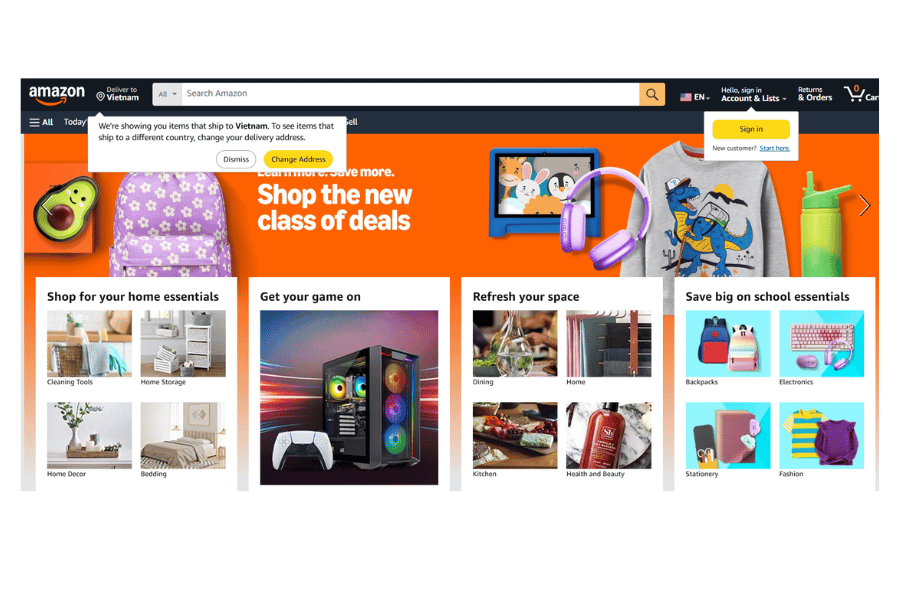
Overview
Amazon functions as one of the world’s largest product search engines. Millions of shoppers begin their product searches directly on the platform rather than traditional search engines.
Pros
- Extremely high purchase intent
- Massive customer base and trusted brand
- Built-in review ecosystem
Cons
- High competition among sellers
- Platform fees and fulfillment costs
Pricing
- Referral fees typically between 8%–15% per sale
- Optional advertising through Amazon Ads
Best for
- Brands focused on marketplace sales and rapid order fulfillment.
3. Walmart Marketplace
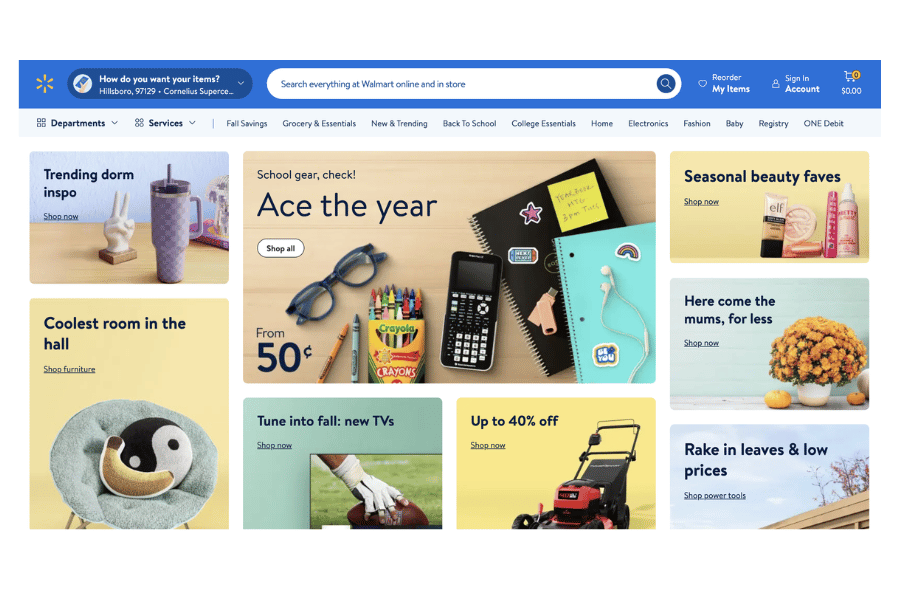
Overview
Walmart Marketplace combines online discovery with physical retail distribution. Shoppers can search products online and choose delivery or local pickup.
Pros
- Growing ecommerce traffic in North America
- Lower seller competition than Amazon
- Strong omnichannel presence
Cons
- Seller approval process can be strict
- Primarily focused on the US market
Pricing
- Referral fees between 6%–15% depending on category
Best for
- US ecommerce brands targeting omnichannel shoppers.
4. Newegg
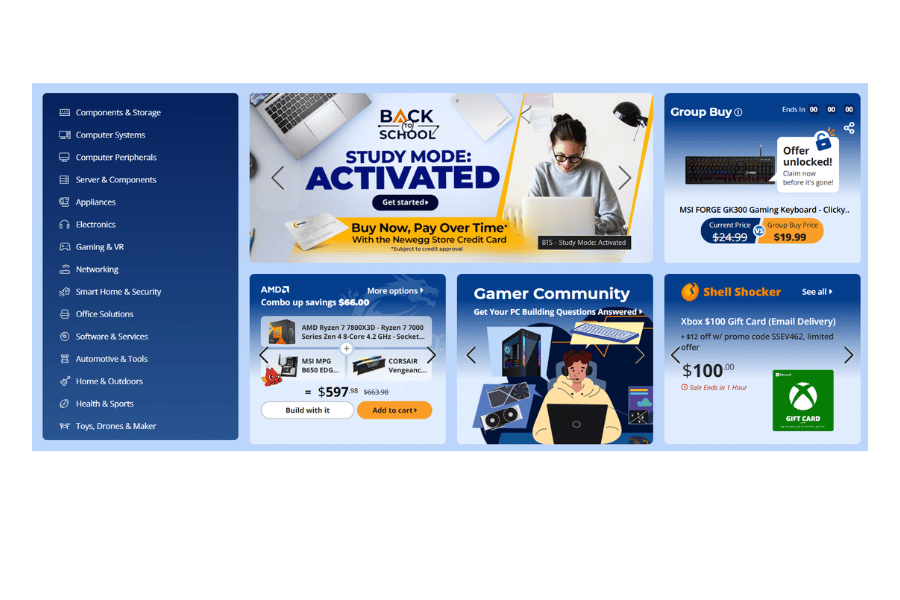
Overview
Newegg is a specialized shopping search engine for electronics, computer hardware, and gaming products. It attracts tech-savvy buyers looking for detailed product specifications and comparisons.
Pros
- Highly targeted tech audience
- Strong reputation in electronics
- Detailed product filtering
Cons
- Limited reach outside tech categories
- Smaller audience than general marketplaces
Pricing
- Marketplace seller fees and optional advertising
Best for
- Electronics, gaming gear, and computer component brands.
5. Etsy

Overview
Etsy is a discovery-driven shopping search engine focused on handmade goods, vintage items, and custom products.
Pros
- Highly engaged niche audience
- Strong search for gifts and unique items
- Built-in community and review system
Cons
- Limited categories
- Transaction and listing fees
Pricing
- Listing fee per product plus transaction fees
Best for
- Handmade brands, craft sellers, and custom product businesses.
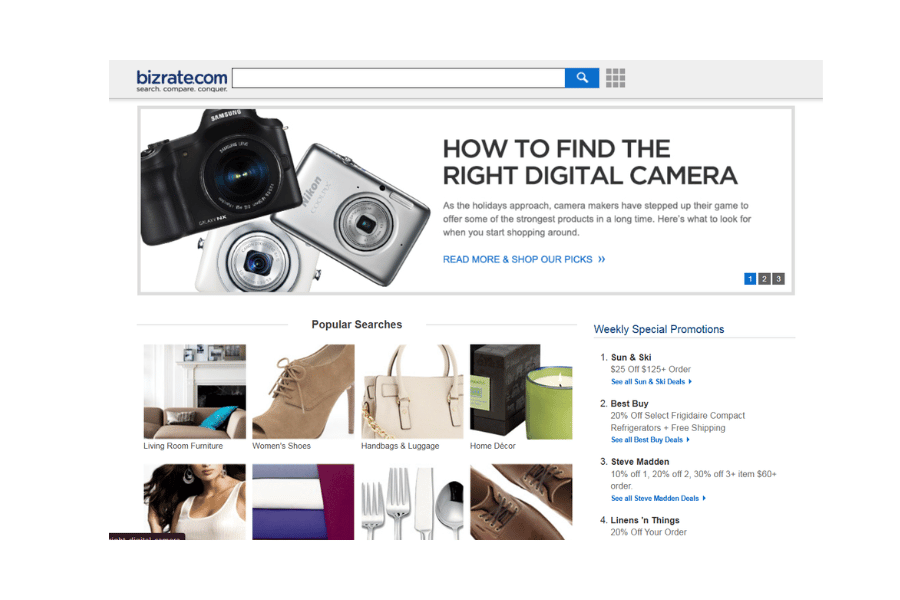
6. Bizrate
Overview
Bizrate is a price comparison platform that aggregates products from multiple retailers while highlighting verified seller reviews.
Pros
- Strong focus on customer trust signals
- Price comparison across merchants
- Detailed product ratings
Cons
- Lower traffic compared to major marketplaces
- Requires feed optimization
Pricing
- Cost-per-click model for merchants
Best for
- Ecommerce brands looking for comparison-driven shoppers.
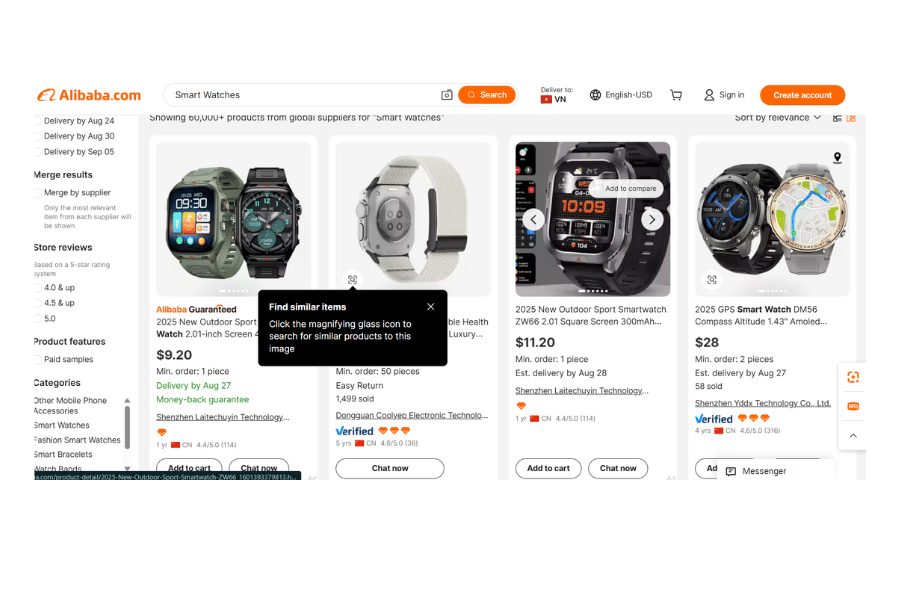
7. Alibaba & AliExpress
Overview
Alibaba and AliExpress serve as global search engines for wholesale and cross-border ecommerce. Buyers search suppliers, compare pricing, and order products in bulk or individually.
Pros
- Massive international supplier network
- Competitive pricing
- Ideal for sourcing and global trade
Cons
- Longer shipping times for many markets
- Quality control varies across suppliers
Pricing
- Seller subscription or commission depending on platform
Best for
- Cross-border ecommerce and product sourcing.
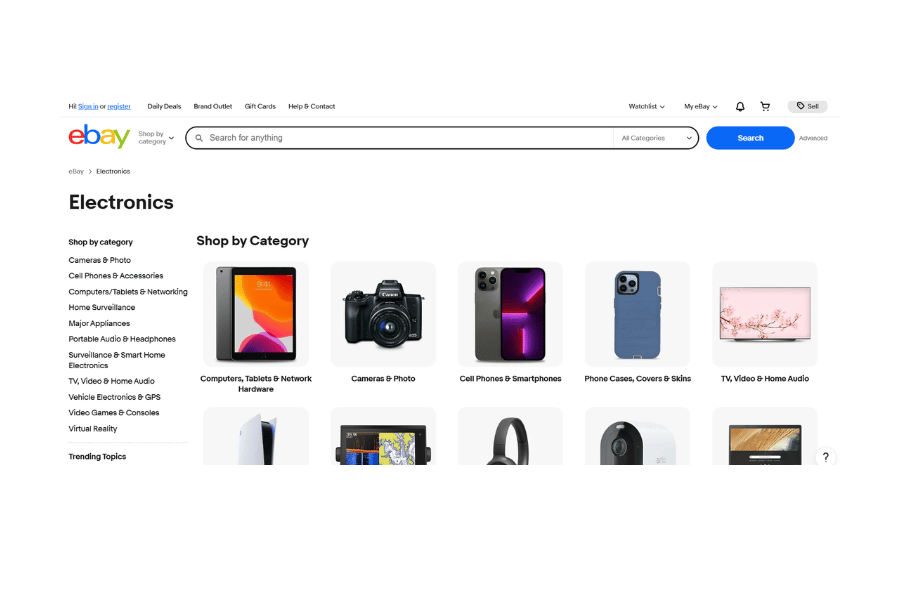
8. eBay
Overview
eBay is a long-standing shopping search engine known for auctions, collectibles, refurbished products, and secondary-market items.
Pros
- Large global buyer community
- Flexible selling formats (auction or fixed price)
- Strong demand for used goods
Cons
- High competition in popular categories
- Platform fees
Pricing
- Listing fees plus final value fees
Best for
- Resellers, collectors, and refurbished product sellers.
9. Pinterest Shopping

Overview
Pinterest acts as a visual shopping search engine where users discover products through images, collections, and recommendations.
Pros
- Strong product discovery engine
- High engagement for lifestyle categories
- Visual search capabilities
Cons
- Requires high-quality visual content
- Conversion cycle can be longer
Pricing
- Free organic listings
- Optional paid ads
Best for
- Fashion, home decor, beauty, and lifestyle brands.
10. TikTok Shop
Overview
TikTok Shop merges social discovery with ecommerce. Users discover products through short-form videos and purchase directly within the app.
Pros
- Rapid growth in social commerce
- Viral product discovery
- Strong influence on Gen Z shoppers
Cons
- Content-driven strategy required
- Product lifecycle can be short
Pricing
- Commission per sale plus advertising options
Best for
- DTC brands and trend-driven products.
11. PriceGrabber

Overview
PriceGrabber is a classic comparison shopping engine that aggregates product listings from retailers across multiple categories.
Pros
- Detailed price comparisons
- Access to Connexity retail network
- Flexible advertising options
Cons
- Smaller user base compared to Google Shopping
- Requires structured product feeds
Pricing
- Cost-per-click advertising model
Best for
- Ecommerce retailers seeking comparison-driven buyers.
12. Rakuten
Overview
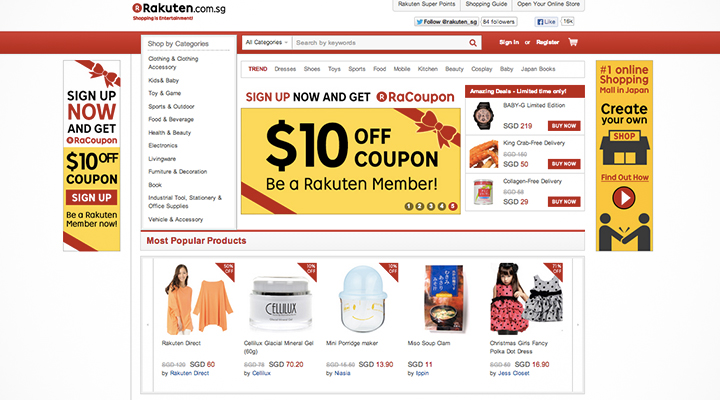
Rakuten operates a global ecommerce ecosystem and acts as a shopping discovery platform in several markets.
Pros
- Strong presence in Japan and Asia
- Loyalty and cashback programs
- Large product catalog
Cons
- Limited reach in some Western markets
- Seller onboarding can be complex
Pricing
- Seller subscription and commission fees
Best for
- Brands targeting Asian ecommerce markets.
13. Idealo
Overview
Idealo is one of Europe’s largest price comparison shopping engines. It allows consumers to compare prices from thousands of retailers across multiple product categories.
Pros
- Strong European traffic
- Detailed product filtering and reviews
- Trusted price comparison tool
Cons
- Focused primarily on European markets
- Requires localized product feeds
Pricing
- Cost-per-click model for merchants
Best for
- Ecommerce brands targeting European shoppers.
How to Choose the Right Search Engine for Shopping
Not every platform will work equally well for every ecommerce brand. Choosing the right channels depends on product type, pricing strategy, and target audience.
| If your goal is | Best platform type |
| Maximum product visibility | Google Shopping |
| High purchase intent | Amazon |
| Lower CPC advertising | Bing Shopping |
| Visual product discovery | |
| Price comparison traffic | PriceGrabber, Shopzilla |
| Handmade products | Etsy |
| European markets | Idealo |
Many ecommerce companies start with two or three platforms and expand based on performance data.
Key metrics to monitor include:
- cost per click
- conversion rate
- revenue per visit
- return on ad spend
How Shopping Search Is Changing in 2026
The role of shopping search engines is also evolving quickly as ecommerce discovery shifts beyond traditional keyword searches.
- AI-powered product search
Platforms increasingly use AI to interpret shopping intent and keywords. Google, Amazon, and marketplaces now recommend products based on browsing behavior, price sensitivity, and historical purchases. - Visual search adoption
Shoppers can upload photos to find similar products instantly. Fashion and home decor platforms, including Google Lens and Shein, have heavily invested in visual search to shorten the purchase journey. - Social commerce integration
Product discovery often starts on TikTok, Instagram, or YouTube before users move to shopping search engines to compare prices and sellers.. - Retail media networks expanding
Major marketplaces such as Amazon, Walmart, and Target have built their own advertising ecosystems. Brands now treat these platforms as both search engines and advertising channels that directly influence product visibility.
Because of these shifts, most successful teams distribute their product feeds across multiple search engines for shopping.
Conclusion
Choosing the best search engines for shopping depends on where your customers actually discover products. Platforms like Google Shopping, Amazon, and price comparison engines capture users who are already comparing options and preparing to buy.
For ecommerce brands, the practical approach is to test multiple search engines, track metrics such as conversion rate and ROAS, and focus investment on the platforms that generate profitable traffic.
At Golden Owl Digital, ecommerce SEO strategies often combine organic search, product feed optimization, and marketplace discovery to help brands turn these platforms into consistent revenue channels.
FAQs about Search Engines for Shopping
- What is the best search engine for shopping in 2026?
The best shopping search engine depends on what you value most, such as price comparison, fast delivery, product variety, or trusted reviews. - How are shopping search engines different from marketplaces?
Shopping search engines aggregate products from many sellers and often redirect to external stores, while marketplaces host sellers and process transactions within their own platform. - Do shopping search engines show the lowest prices?
They often highlight competitive prices, but final costs may vary due to shipping fees, taxes, or promotions. - Are shopping search engines free to use?
Most are free for consumers, though merchants usually pay for sponsored product placements or advertising. - How do products rank on shopping search engines?
Ranking typically considers relevance to the search query, product data quality, reviews, pricing competitiveness, and advertising bids. - Are reviews on shopping search engines trustworthy?
Many platforms aggregate reviews from verified buyers, but users should still check multiple sources before making high-value purchases. - Can shopping search engines show products available nearby?
Some platforms integrate local inventory data, helping shoppers see which nearby stores have a product in stock. - Do AI search engines affect online shopping discovery?
Yes. AI-powered search systems increasingly recommend products based on user behavior, preferences, and contextual signals.

Jaden is an SEO Specialist at Golden Owl Digital. He helps brands rank higher with technical SEO and content that resonates