Search engines now resolve everyday questions right on the results page, bypassing the trip to an external site. That breaks the old rule that top rankings reliably yield traffic. The fix is to stop chasing raw web clicks and start building brand presence directly inside the answer engines running search.
Barely 36% of total search volume now directs users to third-party sites, and the gap between earning rankings and collecting real traffic keeps widening. Marketers need to update their playbooks for this Zero-Click Search reality.
Understanding the Zero-Click Search Phenomenon
What Is a Zero-Click Search?
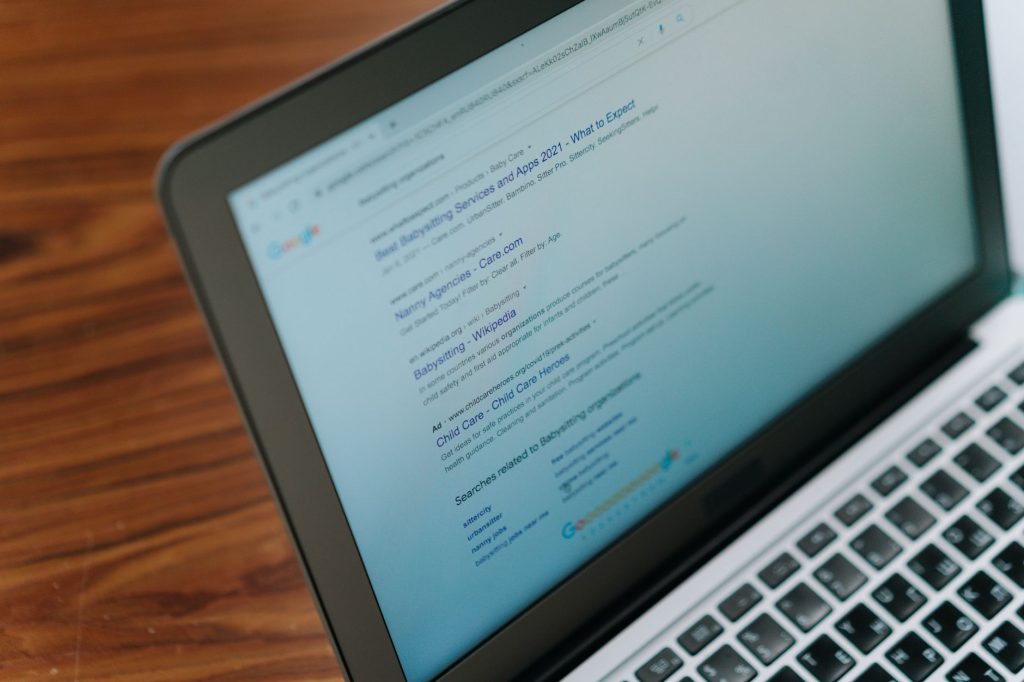
A zero-click search happens whenever someone grabs an answer directly off the results page and leaves without opening a website. Google delivers these immediate resolutions through featured snippets, knowledge panels, built-in calculators, local maps, and generative AI Overviews.
Search engines now function like walled-garden destinations instead of directories routing people outward.
Even when you win position one, a zero-click answer box can deliver zero visitors. That damages publishing outlets, online stores, and digital brands across every space, and it leaves marketers explaining why solid rankings no longer translate into web sessions.
The Data and Trends Driving the Shift
Zero-click growth is steep and consistent. In the first four months of 2026, 68.01% of all Google searches in the US closed without an outbound visit, up 7.56 percentage points from the 60.45% recorded in 2024. When an AI Overview appears on the results page, that zero-click rate spikes to 83%, according to clickstream tracking from SparkToro and Datos.
Pew Research Center, examining 68,879 Google searches in March 2025, found that when an AI Overview showed up, only 8% of users clicked a standard organic link and just 1% clicked any source cited inside the summary itself.
Keeping clicks on the SERP did not start with generative AI. Highlighted answer boxes, knowledge panels, and accordion question boxes have captured traffic for years.
Search volume is also spreading across platforms where people actively look up answers:
- Social media: TikTok and X for news and real-time updates.
- AI tools: dedicated search interfaces from Perplexity and ChatGPT.
- YouTube: the second-largest search engine in the world.
- Amazon: the first stop for commercial product searches.
Answering queries directly keeps people inside the search ecosystem longer, multiplying ad views and giving Google more chances to monetize clicks and lift average cost per click across competitive auctions.

What Causes a Zero-Click Search?
Search engines and AI tools handle user needs directly on the results page rather than sending searchers out. The decline in referral traffic started with rich snippets and accelerated once generative AI layers arrived. A few specific formats build this clickless setup.
AI Overviews and AI Mode
AI Overviews are generative summaries that dominate prime real estate across competitive head terms and niche questions alike. Google swaps standard blue links for a unified answer stitched together from multiple publishers, synthesizing varied web content instead of pulling from a single page.
Large language models build these through three steps: interpret search intent, retrieve source material, then assemble an answer reflecting authoritative consensus.

Source links stay buried even though an AI Overview includes an average of 7 URLs per block. Users have to tap drop-down icons or secondary buttons to spot a domain, and blended answers often blur references, attribute your insights to competitors, or skip citations. Close to half of outbound references point straight back to Google assets.
AI Mode brings an interactive chat workflow to search, similar to Gemini or ChatGPT. Google is testing it in the US as a dedicated tab, with plans to integrate it into primary feeds. It adapts answers using prior searches, location, device context, and account data.
Featured Snippets
Featured snippets show direct text excerpts at the top of the page to resolve questions immediately. As the ancestors of modern AI answers, they pull exact quotes, ordered steps, bulleted breakdowns, tables, images, and video from outside pages, and each block keeps a plain link back to the source.
Pulling from one URL keeps attribution clear and places a direct citation under the excerpt. Tight layout limits often cut long lists short with a prompt to visit the full page.
Knowledge Panels and Knowledge Cards
Knowledge panels sit on the right side of desktop results to summarize entities such as people, brands, creative works, and places. Google populates them by pulling structured data from Wikipedia and its own Knowledge Graph, answering queries about dates, measurements, historical events, or company profiles instantly.
Knowledge cards answer factual questions with quick data points, short biographies, and definitions, while placing native utility tools right into results:
- Calculators
- Clocks
- Weather
- Currency
- Translations
Local packs display an interactive map alongside nearby business profiles for geographic queries. Searchers check reviews, hours, phone numbers, and directions without ever clicking into a company website. Landing a spot in the local map pack drives real revenue for neighborhood services, often producing more calls and foot traffic than standard website visits. These cards surface maps, opening times, directions, contact info, and “book a table” CTAs.
Direct Answer Boxes
Direct answer boxes deliver fast, exact solutions to straightforward questions, offering self-contained definitions, math calculations, conversions, and brief instructions that keep people off third-party sites.
People Also Ask (PAA)
People Also Ask modules provide an interactive dropdown of related queries that reveal snippet answers and generate new follow-up questions in real time, letting searchers dig into secondary topics without leaving Google.
Image and Video Packs
Image packs arrange visual assets into grids and carousels among organic listings, delivering instant answers for visual products and step-by-step guides. These galleries push users into Google Images instead of sending referral clicks to hosting publishers.
Integrated Google-Owned Tools
Google continuously rolls out native tools to capture full transactional paths inside its own walls: flight routes via Google Flights, job openings through Google Careers, and media through YouTube embeds. As real estate shifts toward these tools and AI Overviews, independent publishers see a direct drop in traffic.
The Business Impact of Zero-Click Search
Winning organic attention in a zero-click world requires a shift in how your brand builds visibility, because discovery now happens inside generative answers without a visitor landing on your site. When AI Overviews dominate the screen, influence moves upstream into the summaries, quotes, and citations that define your category for buyers. Your content needs enough credibility and clear facts for AI models to quote it with confidence.
This reality also changes how teams measure performance. Most reporting setups were built for an older web, but prospects now discover your brand, evaluate your solutions, and build trust straight from generative snippets long before your analytics dashboard registers a session. Zero-click searches may not send direct referral traffic, but they still build pipeline by locking in brand awareness. Securing real estate inside AI Overviews puts your brand on the shortlists prospects evaluate in real time.
Why High Rankings No Longer Guarantee Clicks
High rankings no longer guarantee clicks because AI Overviews answer questions instantly, before anyone touches their scroll wheel. Generative summaries sit at the very top and satisfy complex, multi-part intent, so users rarely click the classic listings below.
Audit your top rankings on informational queries: prime placements lose their historical traffic value unless your data gets pulled into the AI synthesis box. This shows up in Google Search Console as the great decoupling, where impressions surge while clicks crater. Pull reports from May 2024 through September 2025 and you will find sites where average CTR tanked from around 1.5% to under 0.5%. Your brand gets featured, driving impression volume, yet visits drop because users already got their answer.
The result is a reporting disconnect for teams tracking weekly performance:
- Rankings are stable
- Clicks are declining
- On-page engagement is tanking
Zero-click queries still hold commercial value. Buying intent did not vanish; influence shifted into high-authority visibility and top-of-funnel brand presence inside search answers.
The Rise of Answer Engine Optimization (AEO)
Answer engine optimization broadens SEO’s scope to win visibility, direct citations, and brand mentions inside AI responses. Where standard SEO targets rankings and clicks, AEO makes sure the engine reads your insights aloud when it synthesizes the answer.
Your content must now perform across two environments: as a standalone resource when users visit your site, and as source material for AI platforms and featured snippets.
| What SEO has always done | What AEO adds |
|---|---|
| Increase content visibility in organic results | Earn citations and references in AI-generated answers |
| Track rankings, traffic, and CTR | Track citations, brand mentions, snippet captures, and AI visibility |
| Build comprehensive pages targeting keywords | Create direct, self-contained answers with clear source attribution |
Zero-click search reflects Google evolving from an indexing tool into a full answer engine.
Strategies for Adapting to Zero-Click Search
Zero-click search is now the baseline, so adapting means investing in Zero-Click Marketing to secure direct brand citations, earn trust, and shape buyer decisions without forcing people onto your site first. Technical fundamentals still carry weight, but rankings alone no longer guarantee clicks, leads, or revenue. You do not have to walk away from search, but you do need to spread across other channels.
Evolve Your Keyword and Audience Research Strategy
Write editorial content around real buyer phrasing, comparative logic, and direct “why” questions so conversational platforms can quote your explanations during summaries. Modern engines run on dialogue, not fragmented strings.
Focus on content that fixes real user pain points while driving business results. Build hands-on tools like calculators, interactive templates, and workflows that connect your software directly to the fix. Use Business Potential to score how naturally your product answers the problems buyers look up.
Identifying and Prioritizing Zero-Click Keywords
Audit which of your terms trigger answer boxes, local map cards, or chat modules. Flip the Search Feature toggles in your rank tracker to review all the automated snippets Google displays for you. Featured snippets and map packs deliver brand exposure even without direct clicks.
Track these core result modules to gauge your zero-click presence:
- AI Overviews
- Featured snippets
- Knowledge panels
- People Also Ask boxes
- Local packs
- Image and video carousels
Deep Customer Research for Unanswered Questions
Deep customer discovery reveals high-intent commercial questions competitors miss. Automated tools easily lift basic definitions, but deep technical teardowns resist quick extraction, which protects your search presence.
Run audience research by sifting through support tickets, sales recordings, community threads, and internal search logs for actionable advice and real pain points. Open competing domains in your SEO tool under the Organic Rankings and SERP Features reports to see the exact snippet boxes rivals own, then spot content gaps. Go after those gaps with detailed breakdowns, setup tutorials, and proprietary benchmarks that language models cannot generate from thin air.
Deciding When to Pursue vs. Avoid Zero-Click Queries
Use a straightforward rule: chase queries with clear buying intent, drop generic definition terms that lead nowhere.
Pursue zero-click queries when they:
- Assist buyer decisions: questions buyers ask before purchasing, comparison searches, or problem-identification queries (e.g., “best email marketing software for small business”).
- Build brand awareness: industry definitions, trending niche topics, or questions where you can showcase a unique methodology.
- Offer low-competition SERP features: keywords with weak or missing snippets, untapped AI Overview results, or long-tail questions you can answer concisely.
Pass on zero-click queries when they are:
- Pure information: basic definitions or fact-based queries with no commercial intent (e.g., “what year was Google founded”).
- Commoditized comparisons: generic matchups with no differentiation, price-only searches, or topics outside your expertise.
- Oversaturated features: keywords dominated by Wikipedia or major publishers, or AI Overviews that consistently cite the same few authoritative sources.
Build Foundational Authority and Trust
Answer engines depend on outside verification, pulling citations from industry publications, trade boards, earned PR, and community hubs. Solid brand presence across external platforms signals to machine summarizers that your company knows its subject, and AI systems weigh E-E-A-T when selecting sources.
Review your presence across independent software sites and trade media so buyers see positive buzz in AI Overviews before visiting your site. You can also partner with an SEO agency to audit your presence across independent software sites” fits cleanly, because the reader is already thinking about needing outside help.
Demonstrating E-E-A-T and Topical Authority
Topical authority means becoming the main source AI engines cite across an entire topic hub. Establish clear E-E-A-T signals with these editorial methods:
- Publish proprietary data: original surveys, CRM data, and customer polls yield numbers search engines prioritize.
- Quote real specialists: add direct quotes from your team and industry partners, using author schema to tie contributors to verifiable credentials.
- Show proof: feature customer stories, client feedback, and industry certifications on key landing pages.
- Cluster content: group publishing into structured topic hubs rather than detached posts.
- Update quarterly: refresh cornerstone articles by replacing old stats and adding fresh operational examples.
Building a Strong Brand with PR and Off-Site Signals
Direct brand recall becomes your safest growth channel as click rates drop. Earned press, media outreach, and organic trade mentions build the authority footprint engines cite in conversational answers. Build off-site visibility with four moves:
- Build an incredible product experience: exceptional support, deep documentation, and “surprise + delight” features that get people talking. Promote open-source tools and build in public.
- Fuel public discourse: encourage reviews on G2 and the sharing of use cases and workflows on Reddit. Show up in customer communities.
- Launch narrative-driven campaigns: creative stunts, branded content, data-storytelling, and inventive product launches made to be shared.
- Engineer word of mouth: coin original theories, frameworks, or brand topics, then take them “on tour” and shape how audiences talk about your brand.
Skip artificial entity tricks and low-grade paid placements. Real brand reputation brings natural citations.
Design Content for AI and SERP Feature Visibility
Build pages with ordered lists, direct definitions, and question subheads so engines can parse and lift the main point. Answer engines prefer text that is simple to digest, backed by trusted sources, and safe to lift into summaries. Machine-friendly content depends on four rules:
- Clear, direct answers to specific questions
- Well-structured sections with descriptive headings
- Factual accuracy supported by consistent language and definitions
- Context that tells the model who the content is for and what problem it solves
Content Structure for Machine Readability
A clear document structure removes reading friction for crawlers. Use direct Q&A blocks, tight overviews, and ordered headings; if an answer cannot stand on its own, algorithms skip it.
Semantic HTML, clean heading tags, and descriptive alt text create the base that lets voice assistants, scrapers, and AI models read your pages. Match heading text to high-volume Search Console queries like “how to identify content decay.” Use an inverted pyramid: direct answer first, proof points second, background last. Create HTML comparison tables for commercial terms like “marketing automation platforms comparison,” since clean tables showing three to five differentiators get pulled into snippets far more often than long text.
Creating Concise, Direct Answers and Definitions
Start key educational sections with 40-to-60-word summary boxes that answer the main query in sentence one. State the conclusion right away, then unpack the details, which boosts your odds of winning featured snippets.
Write subheads as direct questions like “What is zero-click search?” to match user searches. State definitions clearly under each subhead, such as “Content decay is the gradual decline in search visibility that occurs when pages become outdated.” Keep each section self-contained without fuzzy pronouns like “this” or “it” so algorithms can lift your copy without losing context.
In-Depth, Value-Driven Content
AI Overviews favor complete resources, so answering related subtopics shows expertise and keeps summarizers from twisting your points. Do not sacrifice topical depth just to stay short.
Beat basic AI text by releasing proprietary benchmark data and original industry surveys. Separating your content from AI output takes two essentials: it validates human authorship, and it provides net-new information.
Give short summaries and deep guides distinct jobs across your content schedule:
| Content Type | Goal |
|---|---|
| In-depth resources, tools, and guides | Encourage users to click through to your site |
| Concise definitions, summaries, and comparisons | Appear in zero-click SERP features and AI answers |
Optimizing for Conversational and Voice Queries
Optimize beyond short keyword tags, because spoken prompts use full questions and natural speech rather than fragmented terms. Combining conversational updates with local SEO creates fast visibility for regional businesses, since voice prompts and phone calls pull live data from your Google Business Profile.
Target these conversational patterns:
- Who offers…
- Where can I find…
- What’s the best…
Voice assistants read single-idea sentences best and stumble on long compound sentences. Aim for an eighth-grade reading level, organize step-by-step answers in order, and read your summary blurbs out loud during editing to confirm they sound natural on devices like Alexa. Place conversational labels like “Where to find us” right above your street address to match spoken searches.
Implement Technical SEO for Zero-Click Visibility
Winning zero-click spots requires harmony between your written copy and structured code. The core table stakes stay the same: rapid crawling, clean hierarchy, authoritative writing, and error-free schema. An article with deep research but broken markup will not get pulled, and perfect schema on a zero-authority site gets ignored.
Using Schema Markup to Add Context
Structured data gives crawlers and LLMs clear context about the entities and connections on your page, letting them pinpoint and extract key details right away. Add markup to priority pages that currently miss zero-click placements.
FAQPage schema wins spots in People Also Ask boxes and AI Overviews, even on product pages. To secure placements:
- Lead with the answer within the first 40-60 words
- Provide context and details in later paragraphs
- Use the exact question as your heading when possible
- Structure answers with bullet points or numbered lists
HowTo schema helps instructional guides qualify for selected answer lists. To improve your chances:
- Keep each step actionable, with one instruction per HowToStep
- Lead with a concise title reflecting exactly what the user wants to do
- Include images or videos to illustrate steps
- Add fields like tools, totalTime, or estimatedCost for context
- Ensure the schema matches the visible instructions on the page
LocalBusiness schema feeds verified location data like addresses, phone numbers, and hours straight to local search algorithms, powering local knowledge panels.
Optimizing for Local Search
Thorough local setup wins high-intent map packs, knowledge cards, and regional snippets. Follow four rules consistently:
- Optimize your Google Business Profile
- Get as many high-quality reviews as possible
- Increase NAP (name, address, phone number) citations
- Build local links
Listing consistent NAP data across directories proves your location to search bots, and keeping your Google Business Profile active with recent reviews wins regional features.
Entity Optimization
Entities are specific people, companies, places, and topics that algorithms assess through verified properties instead of keywords. Google’s Knowledge Graph charts how concepts link together, connecting terms like “email marketing” to broader business categories. Building reliable entity signals with schema and outside citations files your brand under the exact topic buckets you want.
Make entity connections obvious across your content library:
- Embed relevant YouTube videos within written content, and link the video description back to that page.
- Have podcasts reference relevant blog posts and vice versa.
- Use infographics that visualize your frameworks within written content.
- When you reference a concept, link it to your definitive resource; when you mention a methodology, connect it to your implementation guide.
- When you discuss industry leaders or tools, link to their professional entities like their LinkedIn profile.
- Use “SameAs” schema to connect entities related to people, places, or organizations.
Diversify Your Marketing and Search Channels
Depending only on classic rankings, which bring fewer visits every quarter, leaves your pipeline exposed to SERP changes. Spreading your footprint replaces lost organic clicks with direct audience connections. Set up distribution that treats non-Google platforms, multimedia assets, and direct brand searches as core drivers.
Optimizing for Visibility Across All Search Platforms
Search Everywhere Optimization builds brand presence across every platform where buyers ask questions: AI assistants, vertical engines, and niche communities alongside standard search. An omnichannel presence softens zero-click traffic dips and feeds standard rankings. Grow across five platform groups:
- Traditional search
- Social media
- AI
- Shopping
- Underdog channels
Earning steady citations across AI search tools requires three practices:
- Publish original insights and data: AI systems consistently cite unique research and expert perspectives over generic summaries.
- Build presence on commonly cited platforms: trusted blogs, industry publications, forums, and review sites raise your citation odds.
- Create clear, well-structured content: strong headings and concise explanations are easier for AI platforms to interpret and reference.
Leveraging Non-Search Channels for Audience Engagement
PR, TikTok, Reddit, Substack, Slack, and WhatsApp are the hubs where buyers research solutions. Customer interviews and surveys reveal the exact newsletters, subreddits, podcasts, and creator feeds your buyers check daily.
Walled platforms limit outbound links, but sharing native video, audio breakdowns, and participating in workflow discussions on Reddit builds recall that sparks navigational queries later. With search demand leaning heavily branded at 46% and navigational at 63%, solid off-site presence fuels future traffic. Deep on-site articles then give AI Overviews the exact facts they need to cite you. Put out real value across channels you do not own, and buyers will search for your brand by name.
Redefining Analytics and ROI for Zero-Click Search
Standard analytics dashboards were built to count visits rather than on-page impressions, so you need updated success metrics and dedicated monitoring to watch them. Old rank-checking software cannot parse generative answer blocks, and a Goodfirms survey found that only 14% of enterprise marketing teams track how often generative tools cite them.
Standard reviews fall back on traffic volume, CTR, and average position. Those give historical context but blind you to zero-click discovery surfaces. Search Engine Land research on AI Overviews shows that while your content powers summary engines, connecting cited snippets straight to conversions remains hard.
Separate your high-converting product pages from top-of-funnel noise in your reports. Point tracking at the pages that pull in real leads and sales, because losing casual traffic on informational blog posts often just means shedding a vanity number. Tie spend directly to pipeline.
From Absolute KPIs to Directional Indicators
Rigid numbers like ranking spots, raw sessions, and CTR cannot stay your primary focus, because generative systems hide their impression logs and referral paths. Evaluate search presence through directional trends instead of waiting for exact attribution Google will never hand over.
Watch these directional indicators across answer engines:
- Repeated AI mentions: your brand referenced consistently across prompts, tools, and models over time.
- Prompt-level presence: appearing in responses for priority questions buyers actually ask.
- Citation consistency: being cited alongside or instead of the same trusted industry sources.
- Branded search lift: increases in branded volume that correlate with expanded AI visibility.
- Sales and pipeline signals: prospects referencing AI tools or summaries during discovery calls.
New Metrics to Track for Visibility and Influence
Basic web metrics miss the picture when result pages answer queries instantly. Track these to read zero-click influence:
- AI Visibility Score: how often your brand appears in AI answers across Google AI Overviews, ChatGPT, Perplexity, and other engines.
- Answer inclusion rate: the percentage of AI responses that mention your brand for relevant questions.
- SERP Feature Share: your percentage of featured snippet, PAA, and knowledge panel appearances for target keywords.
- Entity association strength: how closely search engines link your brand with specific topics, revealing whether they see you as an authority.
- Freshness visibility: how well recent content ranks in dynamic features like news boxes and “top stories” carousels.
- Brand Mention Sentiment: the quality of mentions, not just frequency, since positive mentions in authoritative contexts matter more than raw count.
- Question Coverage Rate: the percentage of audience questions your content addresses in SERP features.
- Multi-Platform Visibility: brand mentions across search engines, AI search platforms, and conversational AI.
| Signal | What to measure |
|---|---|
| Branded search volume trends | A proxy for zero-click brand impression impact. If people search your name after seeing you in an AI answer, it shows here. |
| Citation accuracy | Whether your brand is characterized correctly across snippets, knowledge panels, and AI responses. |
| Conversion rate of click-through traffic | Users who click after a zero-click encounter are higher intent, so their conversion rate should reflect that. |
| Share of answer engine voice | What percentage of AI citations in your category come from your content versus competitors. |
Using Analytics and Brand Monitoring Tools
Inside Google Search Console, AI Overviews get dumped into the position-one bucket, making it impossible to separate AI clicks from standard organic visits. Search Console now offers AI Mode click tracking, but you cannot compare those visits against traditional clicks or other Google properties. Standard views never tell you if an overview fired, whether your site was cited, or how your mention share stacks up against rivals.
Third-party AI visibility platforms keep growing but run into limits:
- They rely on prompt sampling, not full query coverage.
- Results vary by geography, personalization, and model version.
- Data is directional, not definitive.
Layer software exports with these signals for a fuller read:
- Manual spot checks on priority queries
- Search Console impression trends
- Branded search lift and assisted conversions
- Qualitative sales feedback (“we keep coming up in AI answers”)
Run regular queries for your brand across priority terms to reveal feature ownership, and use the domains tab to see which external sites win citations. Your brand name serves as a steady anchor even as AI summaries rewrite source text. Watch direct visits and homepage traffic closely, since zero-click searchers regularly head straight to branded pages after an AI query. Dedicated AEO software tracks how your brand gets cited across ChatGPT and Perplexity, and topic gap reports spotlight prompts where rivals get cited instead of you.
Connecting Zero-Click Performance to Business ROI
Repeated brand exposure across AI summaries and rich features builds the credibility that feeds downstream sales. The visitors who do click through in a zero-click setup convert at much higher rates, so their conversion percentage deserves close attention. Track visibility signals alongside pipeline and revenue: branded search growth, assisted conversions, and share-of-voice trends.
Commercial return comes almost entirely from core service pages, landing pages, and product URLs, so isolate their traffic and pipeline from non-converting informational posts. Track secondary conversion steps like guide downloads or signup forms when direct attribution falls short. Interview account executives and sift through CRM lead notes to confirm where high-value prospects first heard about you. Presenting ten qualified inbound leads who noted finding you through ChatGPT proves commercial value to executives better than touting a 57% traffic bump.
Consider how a modern buyer moves through a purchase. A prospect might read an AI Overview mentioning your software, spot your brand in the map pack, and notice your site in the blue links without clicking a single URL. A week later, that same buyer types your brand name directly into search to start a trial, creating an indirect attribution trail multi-touch reporting must capture. If organic traffic to a cornerstone post drops 30% while demo signups on that page double, the loss in casual clicks is fully offset by higher buyer quality.
Establishing a Governance and Monitoring Process
The challenge of zero-click search is structural, not a content-production tweak. Teams that treat it as a writing task keep pushing content into surfaces their tools cannot see. When engines answer questions on the screen, your goal shifts from fighting for every click to making sure the information shown reflects your brand accurately.
Siloing worsens the gap when writers optimize text, developers set up schema, and data teams monitor positions without coordinating. Search insights on zero-click visibility must steer paid campaigns, social teams need to distribute content that strengthens brand entity signals, and analytics teams must unify metrics from Google and Bing with intelligence from Perplexity, ChatGPT, and Claude.
Governance requires dedicated ownership across specific areas:
- Assign someone to track featured snippets.
- Give knowledge panel data a structured review process.
- Hold entity information to cross-team standards across web assets and third-party profiles so AI models interpret the brand correctly.
- Catch brand information appearing incorrectly, such as outdated pricing, competitor-defined framing, or old product descriptions, through regular monitoring.
- Because algorithms, AI Mode features, and model versions update frequently, run continuous monitoring rather than monthly or quarterly reviews.
Leadership must implement continuous tracking, cross-functional accountability, and content standards aligned with AI citation criteria to build compounding visibility over time.
Preparing for the Future of Search
The major search platforms keep refining how they resolve questions on the results page. That direct-answer setup cuts into immediate site traffic, but updating your playbook improves your citation odds inside zero-click features.
Winning in 2026 and beyond means locking in brand authority right inside AI responses. Google built a closed ecosystem to protect ad revenue, keeping searchers on the page with direct answers and interactive widgets. Projections indicate that by 2028, interactions with AI search will eclipse conventional query volumes. Search is also rolling out autonomous AI agents that fill out forms and trigger scripts without touching websites, so set up solid governance across these touchpoints now.
The Irreversible Shift to an Answer Engine
Zero-click search now defines how search engines operate. Over two years, clickless queries grew 12.5%, a 7.5 percentage-point increase and the fastest run-up in a decade. AI Overviews power this change, appearing across 20%+ of searches and cutting organic CTR by nearly 60% whenever they show up.
Key Strategic Takeaways for Business Leaders
Search engines will keep expanding zero-click answers, so updating your strategy is how you capture search value. Run these operational changes:
- Shift marketing investment toward influencing direct answers rather than owning web visits.
- Treat broad brand visibility inside search answers as valuable even when click attribution is unavailable.
- Prioritize becoming the cited source over being the final site destination.
- Audit existing content for clear writing, structured formatting, and topical authority so your expertise can be extracted by external platforms.
- Build content that serves two functions: a detailed resource for human visitors, and structured reference material for AI models answering non-clicking searchers.
- Establish dedicated monitoring infrastructure to govern how your brand is cited across AI answers as a formal marketing channel.
Adjusting to answer engines means updating your publishing setup and measurement models, not abandoning search marketing. When you structure content for machine extraction and track brand citations inside AI Overviews, you secure visibility even when searchers never leave the SERP. Audit your current SERP feature presence today, align cross-functional teams, and build the measurement framework required to dominate Zero-Click Search.
Frequently Asked Questions
What is a zero-click search?
A zero-click search is any search where the user gets their answer directly on the results page and leaves without clicking through to an external website. Google resolves these through featured snippets, knowledge panels, local packs, calculators, and AI Overviews.
How common are zero-click searches?
In the first four months of 2026, 68.01% of US Google searches ended without an outbound click, up from 60.45% in 2024. When an AI Overview appears, that figure rises to 83%.
How do zero-click searches affect SEO?
High rankings no longer guarantee clicks. Impressions can surge while clicks crater, a pattern known as the great decoupling. Value shifts from earning the click to being the cited source inside AI answers and SERP features.
What is Answer Engine Optimization (AEO)?
AEO is the practice of optimizing content to earn citations and brand mentions inside AI-generated answers, rather than only ranking for clicks. It tracks citations, snippet captures, and AI visibility alongside traditional rankings and traffic.
Which schema types help win zero-click placements?
FAQPage schema wins People Also Ask and AI Overview spots, HowTo schema qualifies guides for step-by-step answer lists, and LocalBusiness schema powers local knowledge panels and map packs.
How do you measure ROI when searches end without a click?
Track directional indicators like branded search lift, share of answer engine voice, citation accuracy, and assisted conversions. Isolate pipeline on core product and service pages, and use sales interviews to confirm where high-value leads first discovered you.