Stack-rank your marketing channels and build one unified Google Ads for doctors SEO outline before you launch another ad. Treating SEO and Google Ads as separate silos bleeds your budget dry on clicks that never convert, because today’s patients won’t call a clinic until they see both immediate placement and real organic trust.
The web captures 77% of people seeking healthcare before they book, and those high-intent searchers skip the research phase to schedule right away.
Local queries like “orthopedic surgeon near me” and “best dermatologist for acne” hit search engines every day. Personal health decisions require deep organic trust, so patients have to see your practice in both the sponsored slots and the organic map pack on the exact same page.
Without both signals, you’re funding a visit to a rival doctor. If your campaigns bleed cash, sketch out a unified blueprint and point 100% of your tracking at this overlap.
Why Your Google Ads for Doctors SEO Outline Needs an Integrated Strategy
The most effective medical campaigns pair paid clicks with a credible organic footprint that validates your expertise. Throw budget at paid clicks alone and you get fast bounces. People click your ad, then hesitate because your site lacks the digital history backing up your skills. If they can’t find a solid track record, they leave. Your patient acquisition pipeline needs trustworthy organic content to close the booking.
A local search triggers a quiet evaluation. The patient sees your paid ad, then cross-references it against the organic rankings, and a weak profile kills the momentum you just paid for. Judging paid campaigns strictly by immediate return on ad spend is standard practice, but short-term numbers hide the actual leak in your funnel. Go deep on your analytics to isolate the exact query lists wasting money on instant departures.
The Synergy Between Paid Ads and Organic Search
Capturing space in both the paid section and the organic results for the same query pushes user selection rates up by as much as 25%. Organic authority is like owning the most respected medical facility in town, while a paid placement is a leased billboard on the highway.
A patient may click your paid link, but they hesitate to schedule without strong organic reinforcement. Securing that dual presence projects industry leadership, and a well-organized strategy locks in visibility across both paid ads and natural index positions for the exact same term.
Map your paid search data to your roadmap for emerging AI search formats too. Take the high-performing keywords from your paid efforts and push them into structured, machine-readable assets like clinical offer sheets and practitioner histories.
That single move builds content that dominates classic index results and Answer Engine Optimization at once. Owning these next-generation channels means piping your paid data directly into your organic content strategy.
A Step-by-Step Guide to Building Your Google Ads Campaign
Profitable paid campaigns depend on knowing exactly how much you can spend to acquire a patient based on their lifetime value. Your monthly spend has to run like a strict mathematical engine, ignoring vanity visibility metrics. When you skip this math, you subsidize clicks from unqualified users and push acquisition costs into the stratosphere.
Step 1: Define Clear Patient Acquisition Goals
Set strict acquisition ceilings based on lifetime value. Draw hard lines for incoming volume, perhaps 40 to 50 fresh cases a month, while forcing your maximum cost per booking below $30 to $35. To find your real number, divide total yearly revenue by your unique patient count for the average annual value per person, then multiply by how many years the average patient stays.
Consider a Chicago family medicine doctor whose average patient stays four years and spends $600 each year. That’s a lifetime value of $2,400. Once you have that number, locking in a maximum cost-to-acquire that keeps margins green becomes a mechanical process.
Step 2: Conduct High-Intent Keyword Research
Filter aggressively for immediate booking intent and cut casual research phrases. Target clear action phrases loaded with location modifiers to grab urgent local demand:
- “back pain specialist near me accepting new patients”
- “[City] doctor” and similar location-anchored terms
At the same time, block vague queries like “what causes back pain” that drain your daily budget without producing a single appointment. Build strict blocklists and use exact matching to ban non-clinical variations, pushing anyone searching for “free” consultations or “jobs” out of your auction bids.
Step 3: Build a High-Converting Campaign Structure
Split distinct services into isolated buckets that mirror exact user intent. Grouping every term into one massive campaign is fine only if your clinic handles one simple procedure. If you do more, tear “Knee Surgery” away from “Back Pain” so your ad copy speaks to each specific medical urgency.
Deeply specialized clusters can cut per-click pricing by around 20% through better organization, while indiscriminate grouping tanks your relevance scores and drives up every click.
Writing Ad Copy That Books Appointments
Lead with immediate trust signals and an obvious solution, because you get roughly 0.3 seconds to hook a searcher. Use a reliable framework for the headlines:
- Headline 1: name the service and city, like “Board-Certified Dermatologist in Miami”
- Headline 2: highlight a major benefit, like “Same-Day Appointments Available”
- Headline 3: add a trust signal, like “5-Star Rated Practice”
Write the description to name a pain point (chronic joint trouble, for example) and hand over a clear non-surgical solution that pushes an online consultation. Bolt on extensions like sitelinks for distinct services and a location finder with your exact address. These extras reliably boost click volume by 10-15%.
Creating Landing Pages That Convert Patients
Send every ad to a highly specific, service-focused destination page, never a generic homepage. Generic homepages fail to address the medical urgency that brought the user there, so they ruin efficiency on specialized traffic. Match the landing page’s main title exactly to the ad copy the patient just clicked, and keep the scheduling form effortless by limiting required fields to name and phone number.
Step 6: Set Up Precise Audience and Location Targeting
Match your location boundaries to the realistic driving radius of your physical clinic, because patient intent drops fast over distance. A knee pain specialist in Atlanta needs a tight perimeter, not statewide blasting. A dermatologist in Miami should restrict visibility to a localized grid. Tight geographic fences force the algorithm to spend your capital only on users who can physically walk through your front doors.
Step 7: Implement Conversion Tracking to Measure ROI
Put strict conversion tracking on every action so campaigns stop optimizing blindly. Accurate tracking tags on your scheduling forms feed exact acquisition data back into the bidding algorithm. There’s no way to scale profitably until the system learns to separate a high-value booked appointment from a worthless click.
Integrating SEO and AI to Multiply Your Paid Results
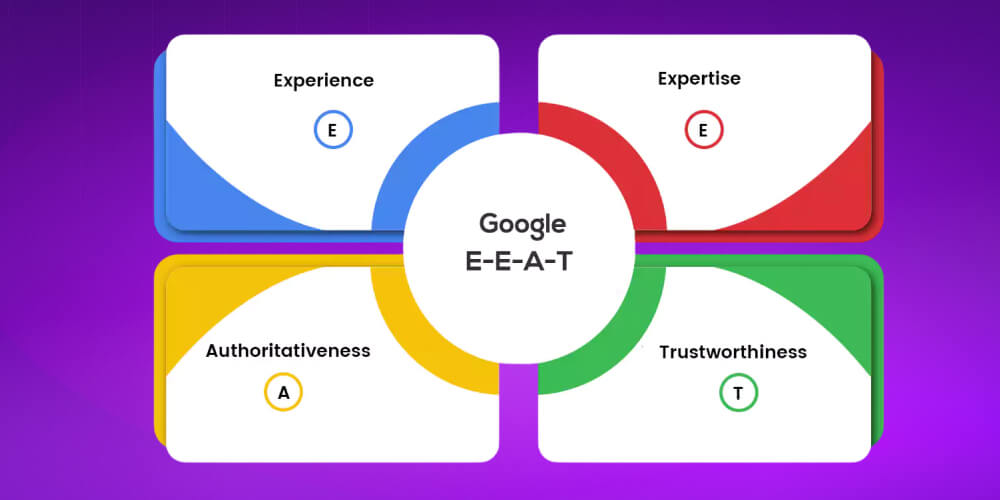
Establish undeniable organic authority before spending another dime on ads. Strong E-E-A-T signals compel the algorithm to treat your clinic as a real healthcare provider instead of another advertiser buying space, and that organic trust dictates the actual return on your entire marketing machine. Relying on paid ads alone pushes acquisition costs through the roof, while blending in a strong organic foundation drives those same costs down.
Optimizing Your Google Business Profile for Local SEO
A properly configured Google Business Profile (GBP) is a foundational layer of patient trust in local search. Pick one core business category and label the practice precisely, as a Cardiologist or a Family Practice Physician. Build out a database of every procedure with unique descriptions, plug in a scheduling link that goes straight to your internal calendar, and upload real photos of waiting rooms, diagnostic machines, and clinical staff to prove the operation is legitimate. Publish fresh updates at least weekly and reply to every positive and negative review within 48 hours.
The numbers back this up. When clinics upload 10+ photos, they see a 35% bump in website clicks and a 42% spike in direction requests. Patients in America are 2.7x more likely to trust medical groups that fully complete their local profiles.
Dominating the local map results captures the largest share of nearby commercial intent. The 3 Map Pack is the most valuable digital real estate a clinic can occupy, and cleaning up business directories across the web builds the proximity signals that get you there. Locking down a Map Pack spot drives an immediate revenue jump, since 42% of all local search clicks land on those top listings.
Building a User-Friendly Website to Convert Visitors
Get your site under Google’s Core Web Vitals thresholds before scaling any paid campaign, because slow pages kill credibility before a visitor sees anything. Evaluate your architecture, compress media files, and check ruthlessly against the benchmarks. In a 2025 assessment of 3,571 private medical practice domains, UK agency Figment found that 48% failed Core Web Vitals.
Sluggish load speeds trigger instant bounces, turning expensive paid clicks into burning cash. Across those clinical sites, mean Largest Contentful Paint (LCP) sat at 3.17 seconds against a target of under 2.5, while First Contentful Paint (FCP) measured 2.6 seconds against a target of under 1.8. Users decide whether to stay on a page in under 0.05 seconds, so aggressively speeding up the infrastructure is non-negotiable.
Building Trust With E-E-A-T and Patient Reviews
Actively gather recent digital reviews, because they now overpower traditional word-of-mouth when patients choose a doctor. In a 2025 rater8 study titled How Patients Choose Their Doctors, polling more than 1,000 U.S. patients, 84% said they scan digital testimonials before booking. Clinics have to collect fresh feedback to cross the line where 51% of people read at least six reviews before deciding.
The same research showed how heavily reviews steer the decision:
- 61% of users prefer online testimonials over direct suggestions from friends
- 45% change their minds about a provider based on how the doctor replies to feedback
- 40% will cancel or refuse to book entirely after seeing negative comments
Structuring your web presence to match E-E-A-T guidelines is mandatory if you want to grow past just buying ads.
How AI Search Engines are Changing Patient Discovery
Generative AI platforms are becoming major referral pipelines that only recommend clinics with proven organic credibility. Tools like ChatGPT, Google AI Overviews, Perplexity, and Gemini pull their facts from trusted local entities, so a steady publishing schedule feeds them the data they cite and positions you as a growth driver for new patient cases in 2026. Mix up your content types:
- Introduce a staff member: a real portrait of a nurse or practitioner plus a short summary of their work, to show the human side of the clinic
- Short guides answering the questions your front desk hears daily, like what to bring to a first visit
- Spotlights on high-value but overlooked treatments the clinic provides
- Timely tips (managing spring allergies) and office announcements (new scanning gear, holiday hours, a newly hired specialist)
Doing this secures organic traffic well before your budget bleeds out on ads.
Common and Costly Mistakes Doctors Make with Google Ads
Lock down your location and keyword settings, because unrestricted setups burn cash fast. Administrative mistakes inside the platform eat the budget you should be spending on high-intent patients well before the month ends. I recently ran a painful audit for a specialized clinic where a loose setup drained an entire quarterly budget in days. The problem was simple: no negative exclusions, so they paid for expensive clicks from out-of-state researchers instead of local patients. The platform tools to prevent this exist, so use them.
Targeting Too Broad an Audience or Wrong Location
Draw strict geographic boundaries so your money only deploys on local prospects who can actually drive to the practice. A large radius makes you pay steep premiums for clicks from people stationed too far to commute. Figure out the 15 to 20 adjacent municipalities where you have zero clinical footprint and designate them all as permanent negative locations.
Admins often treat neighboring towns as one homogeneous block, which tanks click quality. Running identical ad copy across multiple markets without localized neighborhood names hurts response rates and wastes impressions, leaving patients unsure whether you serve their community or whether they stumbled onto a national directory.
Skipping Negative Keywords
Build an expansive exclusion list so your ads never show for queries unaligned with your specialty. Medical terms carry costly dual meanings, so a heart doctor on open match will subsidize clicks from pet owners searching animal care unless they block “veterinary.” Before you spend a dollar, compile a filter for phrases like free, jobs, salary, symptoms, nursing programs, and medical school. These early exclusion lists routinely cut squandered ad spend by 20 percent.
To set this up, open your Google Ads manager, hit Keywords, then select the Negative Keywords tab near Search Keywords. Fair warning: this takes a while. Click the blue circular + button, and inside the menu attach terms to a specific campaign or add them to a negative keyword list for a master inventory. Insert one phrase per line, hit Save, and that list works as a filter shielding your budget from irrelevant traffic.
Using Weak or Generic Landing Pages
Build custom, service-specific pages and route 100% of your paid traffic directly to those exact URLs. Converting medical traffic requires rich, informative layouts that resolve specific healthcare anxieties and build trust, which a generic homepage can’t do. Directing ad traffic to a general homepage instead of specific procedure pages has been shown to cut appointment conversions by up to 60 percent.
Failing to Track Phone Calls and Other Conversions
Install call-attribution software, because roughly 68% of people in the United States prefer to phone the office before scheduling. Measuring only web form submissions blinded a regional orthopedic clinic until they installed dynamic number insertion in 2022 and tracked hundreds of previously hidden phone interactions. Without this tracking, your optimizations run in the dark, the same way treating a patient without baseline clinical tests would.
Not Optimizing for Mobile Users
Get your pages loading in under three seconds on mobile, because smartphones and tablets drive over 60% of all health-related queries and a slower load runs into a 53% bounce rate. You need readable typography without pinching and simple phone-friendly contact forms. Before your next marketing dollar, audit your mobile architecture and strip out heavy image files to hit that speed target.
Use the official PageSpeed Insights web application. Type your primary URL into the bar, click Analyze, then switch the dashboard to Mobile metrics instead of the default desktop view. Evaluate the Core Web Vitals and target an overall speed score of 90 or greater. If readings show orange or red, follow the tool’s step-by-step technical fixes.
How to Choose the Right Google Ads Agency for Your Practice
Vet a digital ads agency on verified track records, not sales promises, because generalists usually lack the discipline to run clinical advertising without getting your account suspended. They’ll build a beautiful mobile landing page, then bid on broad medical terms and accidentally violate basic patient privacy laws.
Audit a generalist’s campaign and you often find cash burned on unconverted, non-compliant clicks. Make them map an exact execution timeline during your first conversation, refuse vague talk about long-term optimization, and require every deliverable to have a clear owner, a firm deadline, a compliance check, and a concrete ROI.
What to Look for in a Medical Google Ads Agency
Verify their active Certified Google Partner status before moving forward, since it shows they meet Google’s own criteria. They must also have a rock-solid grasp of Google’s Healthcare and Medicines ad policies, because clinical treatments face heavy restrictions that demand a true specialist. Give preference to an SEO agency offering a full stack under one roof:
- Expert Technical SEO Services
- Aggressive paid search management
- Authoritative content creation
Make them show verifiable success stories that come exclusively from healthcare accounts, proving they land real patients and not just clicks. Demand clear performance reports on a strict schedule; a capable firm reports every seven to fourteen days rather than hiding behind a murky three-month recap.
Ongoing data transparency is your only defense against paying for useless clicks. If a vendor won’t give your team direct access to their analytics dashboard, walk away. Write down your top three reporting demands and make the agency sign off before you hand over the keys.
Key Questions to Ask Before Hiring
Confirm they can drive clinical leads while following federal privacy rules closely. A solid medical vendor will bring up Business Associate Agreements (BAAs) themselves to prove they’re ready for HIPAA. Put these questions on the table:
- What mechanisms confirm alignment with HIPAA regulations?
- Can you show case studies where you brought lead acquisition cost below $40?
- Do you offer White Label Google Ads for multi-office networks, or PPC Services For Startups for a new clinic?
A strong team might point to a dermatology client where they dropped cost per lead significantly. Spend ten minutes calling that reference to verify the story. When an agency sets up the tracking pixel correctly, patient inquiries flow into a secure database without leaking protected health information back to Google. Digging into their conversion techniques quickly reveals whether they rely on outdated bidding or actually understand clinical search behavior.
Real-World Results: Case Studies and Benchmarks
Pairing instant paid visibility with deep organic credibility is what actually moves your ads and clinical goals in the same direction. Specialists struggle when they force heavy initial ad spend into immediate bookings during the first quarter, buying expensive clicks without building any site trust. Once the two systems connect, clinics consistently expand their reach and multiply daily patient intake.
Case Study: Generating 120+ Patient Conversions at $6.91 Per Lead
Ruthless keyword refinement is what pushes acquisition cost into a highly profitable tier. Before launching a new ad group, write an explicit negative-term list, dig into your search query logs to block irrelevant phrases, and restrict match settings so the platform spends only on legitimate clinical needs.
SEO Discovery did exactly this to transform a struggling campaign. In under 30 days, they generated 2,510 clicks from action-oriented healthcare terms and captured 128,000+ impressions across localized queries. As they cut wasted budget and tightened the exclusion list, booking volume climbed steadily, ending with north of 120 patient conversions at exactly $6.91 per lead.
What Integrated Results Look Like: A 12-Month Benchmark Timeline
A mature integrated playbook shifts the balance so that half or more of all patient acquisitions come from free organic traffic over a full year. Practices committing to a blended SEO and paid roadmap for 12 months consistently watch combined acquisition costs fall by 40-60%, because modern patients demand trust before they pull out their wallets.
One clinic paused its dead paid ads, spent three months building organic authority, then relaunched the exact same ads, and acquisition costs cratered once E-E-A-T signals on the landing pages started converting that formerly useless traffic.
Here’s how the timeline typically unfolds:
| Phase | Focus | Result |
|---|---|---|
| Month 1-2 | Baseline gathering, technical updates, GBP tuning | Preliminary leads |
| Month 3-4 | Cost stabilization, smart bidding deployment | Cost per lead down ~25-30% |
| Month 6 | Refined stride | ROAS 4:1+, split settles at 40% organic / 60% paid |
| Month 9-12 | High-value resource pages | Half or more of new patients from organic |
This is roughly how Websfirm rolls out a program. Commit to the full sequence and the integration permanently limits what it costs to land a patient.
Frequently Asked Questions (FAQ)
What is a Google Ads for doctors SEO outline?
It’s a foundational blueprint for your website content. You take real-world data from your paid campaigns and use it to build permanent, unpaid pages that today’s algorithms favor. A proprietary SEO Growth System recycles your profitable keyword intelligence into structured formats across your clinical domains, mapping specific phrases to voice-based Answer Engine Optimization and conversational AI summaries via Generative Engine Optimization. Put together this strategy document before rolling out any new service pages.
How much should doctors spend on Google Ads?
Enough to match what local clicks actually cost, balanced against normal spending in your field. A single medical search click runs $5 to $40, and the standard practice dedicates $1,000 to $8,000 a month. A reasonable starting budget is $1,500 to $4,000 to test before evaluating patient volume.
What are the benefits of using Google Ads for doctors?
Showing up everywhere people search builds initial trust and lifts your organic engagement rates. When patients see you holding the top sponsored spot and ranking naturally at the same time, you look like the market leader, and that combined presence trains AI tools to view your clinic as the most trusted local option. Appearing in organic rankings alongside paid ads can raise click-through by as much as 25%.
How fast can doctors get results from Google Ads?
Paid search is a sprint, driving patient volume within one to two weeks of activation. Organic search is the marathon, taking months to ripen but building permanent credibility without charging you per visitor. Most practices see an immediate jump in inquiries, though a reliable ROI generally takes 60 to 90 days of continuous optimization.
Are Google Ads better than SEO for doctors?
Neither is universally better; they run on different schedules. A healthy clinic runs both engines together to catch patients wherever they are in the decision process, whether they’re researching symptoms or ready to book right now.
Can Google Ads and SEO work together effectively?
Yes, and together they form a highly effective engine. A smart practice manager pulls the exact search terms that convert in paid ads and uses them to overhaul the unpaid service pages. Working the math from both sides, the clinic ends up paying less on average for every scheduled visit.
What is the biggest mistake in medical advertising?
Running blind. Making campaign adjustments without strong call tracking is the biggest mistake, especially since 68% of U.S. healthcare consumers prefer to call before scheduling. Many agencies ignore what happens offline, so if you want to know why clicks aren’t turning into consultations, install strict call tracking.
Bringing It Together
You don’t have to choose between fast visibility and long-lasting authority. Use a structured Google Ads for doctors SEO outline to build rock-solid organic pages, clamp down on your spending limits, and roll your digital efforts into one playbook. That’s how you stop funding useless traffic and carve out a local presence the clinic down the street can’t buy their way past. Start by capping what you’ll pay per patient, then track every digital lead straight through to the booked phone call.