
Scroll any social platform today, and you’ll see brands trying to jump on trends within minutes. Some feel clever. Many feel awkward. And a growing number triggers outright backlash.
Consumers aren’t rejecting trends themselves — they’re rejecting how brands misuse them. At Golden Owl Digital, we often see this dynamic firsthand when helping brands navigate the tricky balance between relevance and authenticity. Consumers crave meaningful engagement—something that only comes from a deep understanding of both trends and brand voice.
This article breaks down why consumers hate brand trendjacking, where brands go wrong, and what to do instead if you want attention without damaging trust.
Key takeaways:
|
What Is Trendjacking & Why It Backfires
Consumers reacting negatively to brand trendjacking on social media platforms
Before we dive into the backlash, let’s get clear on the basics.
Trendjacking is when a brand inserts itself into a viral trend, meme, hashtag, or cultural moment to gain visibility, engagement, or sales — usually on social media.
This includes:
- Jumping on TikTok or X (Twitter) memes
- Using trending hashtags with loose relevance
- Posting reactive content tied to news or pop culture
- Mimicking viral formats without original contribution
When we advise clients at Golden Owl Digital, we emphasize that jumping on trends without proper alignment can dilute brand identity. Whether it’s cultural context, timing, or voice, brands must contribute meaningfully to the conversation, not just join in because it’s popular. A shallow attempt to ride a wave can often do more harm than good.
According to a Sprout Social Index 2025, 64% of consumers say brands should connect with culture “only when it makes sense”. When it doesn’t, people notice, and they react fast.
That reaction is why brand trendjacking backlash has become more common than success stories.
7 Reasons Consumers Hate Brand Trendjacking

List of common reasons consumers dislike brand trendjacking and forced marketing
Let’s break down the real reasons behind the hate – not surface-level complaints, but psychological triggers that cause unfollows, mockery, and boycotts.
1. Feels Inauthentic & Try-Hard (Reddit Rants)
The #1 complaint you’ll see on Reddit threads about brand marketing? “Why are brands acting like people?”
Consumers can instantly tell when a brand:
- Doesn’t understand the trend
- Uses slang incorrectly
- Mimics humor without context
- Tries to sound “cool” instead of useful
This is classic inauthentic brand marketing.
On r/marketing and r/antiwork, users regularly mock brands that adopt Gen Z slang late or misuse memes. One viral Reddit post in 2023 criticized over 30 brand TikToks using the same audio within 48 hours — calling them “copy-paste cringe”.
Consumers, especially Gen Z, are masters of spotting “Fellow Kids” energy. If your brand has spent ten years being a serious B2B software provider and suddenly starts posting “Slay” or using “skibidi” references, it feels forced.
Why it fails: Trends are community-driven. When a brand jumps in without belonging, it feels like an outsider forcing entry.
2. Manipulation for Sales (Hidden Agendas)
Consumers don’t mind brands participating in culture. They do mind being manipulated.
They hate being “sold to” under the guise of “joining the fun”.
Trendjacking often disguises:
- Product pushes
- Discount codes
- Soft launches
- CTA-heavy posts
All wrapped inside a meme or trending format.
A 2022 Edelman Trust Barometer found that 58% of consumers feel brands exploit social trends primarily for profit, not participation.
When the sales intent is obvious, trust drops instantly.
This is why social media trendjacking frequently underperforms on conversion despite high impressions.
3. Tone-Deaf Timing (Late or Peak Misses)
Timing matters more than creativity.
The lifecycle of an internet trend is now measured in hours, not weeks.
Common timing mistakes:
- Joining after the trend peaks
- Posting during sensitive event
- Missing emotional context
- Reusing formats weeks later
Late trendjacking doesn’t feel fun — it feels desperate.
For example, brands that jumped on meme formats after they hit Instagram Explore fatigue saw engagement drops of 40–60% compared to early adopters.
Tone-deaf timing turns harmless posts into trendjacking fails.
4. No Real Value Added (Lazy Shortcut)
Most social media trendjacking is lazy. It’s a “me too” post. If your brand isn’t adding a unique perspective, a funny twist, or a helpful insight to the trend, you’re just adding to the digital noise.

Low-effort trendjacking post that adds no value to online conversations
Many brands confuse visibility with value.
Posting a trending meme without:
- New insight
- Humor upgrade
- Useful takeaway
- Cultural understanding
…adds nothing to the conversation.
Consumers increasingly reward:
- Original commentary
- Smart parody
- Educational twists
- Entertaining subversion
When a post exists only because “everyone else is doing it,” audiences disengage.
This is why hashtag hijacking often leads to lower retention and higher bounce from brand profiles.
5. Cringe Overload (Gen Z Despises “Boomer Vibes”)
Gen Z is the most trend-savvy generation and also the least forgiving when brands get it wrong.
They grew up online. They understand meme cycles, irony layers, and cultural context better than any generation before. That’s why they can spot “fake cool” instantly.
According to YPulse:
- 76% of Gen Z say brands trying to be “cool” often feel embarrassing.
- 65% say they unfollow brands that repeatedly post cringe content.
What makes something cringe isn’t just bad humor. It’s misalignment.
Common cringe triggers include:
- Forced slang that sounds outdated the moment it’s posted
- Corporate humor trying to mimic internet sarcasm
- Overexplaining the joke, which kills the joke
- “We know this is cringe” self-awareness that still misses the point
Many cringe marketing examples come from brands trying to sound young instead of being relevant to the audience they already serve.
From a consumer lens, cringe posts don’t feel playful. They feel awkward — like a brand crashing a conversation it doesn’t understand. Instead of relatability, they trigger secondhand embarrassment.
And here’s the real problem: Cringe doesn’t just fail quietly. It spreads – but for the wrong reasons. Screenshots travel. Mockery scales. The brand becomes the joke, not the storyteller.
6. Exploits Sensitive Topics (DiGiorno #WhyIStayed)
Some of the most damaging trendjacking fails happen when brands insert themselves into serious or emotional conversations.
These moments aren’t trends. They’re lived experiences.
A classic example is DiGiorno Pizza’s #WhyIStayed tweet in 2014. The brand used the hashtag casually, not realizing it was tied to domestic violence survivors sharing deeply personal stories. The tweet was deleted quickly — but screenshots spread even faster.
This incident became a textbook case of:
- Hashtag hijacking
- Cultural and emotional ignorance
- Irreversible brand damage
From the audience’s perspective, the issue wasn’t intent — it was impact. Even if the mistake was unintentional, the brand appeared to trivialize a serious topic for visibility.
That’s why consumers react so strongly to this type of trendjacking. It crosses an invisible line: turning trauma, grief, or activism into marketing fuel.
Even today, marketing courses still reference this moment as a brand trendjacking backlash example — a reminder that some conversations demand respect, not reach.
7. Erodes Long-Term Trust (Boycotts & Unfollows)
The biggest cost of trendjacking isn’t one bad post.
It’s what happens after.
When brands repeatedly chase trends without adding value, audiences slowly disengage. Not always loudly but consistently.
Users unfollowing brands after repeated trendjacking mistakes
Over time, this leads to:
- Audience fatigue from repetitive, reactive content
- Declining engagement rates despite higher posting frequency
- Brand mockery instead of brand affinity
- Silent unfollows that are hard to recover from
Trust erosion compounds. Each misstep lowers the tolerance threshold for the next one.
A Hootsuite study found that brands heavily dependent on reactive trend content experienced stronger short-term spikes in reach, but significantly lower 6-month audience retention compared to brands focused on value-driven, original content.
From a consumer standpoint, constant trendjacking signals instability. It tells people the brand is chasing attention rather than standing for something.
And once trust is gone, no trend can bring it back.
Real Brand Trendjacking Backlash Examples
Let’s look at real-world trendjacking examples — both failures and rare wins.
Case 1: Boohoo’s Social Justice Fail
Boohoo attempted to tap into social justice conversations with messaging that sounded supportive and progressive. On the surface, the posts aligned with trending discussions around ethics and fairness.
The problem was timing and reality.
At the same moment Boohoo was speaking about justice, the brand was facing serious accusations related to labor exploitation and unsafe working conditions. Consumers didn’t see alignment. They saw contradictions.
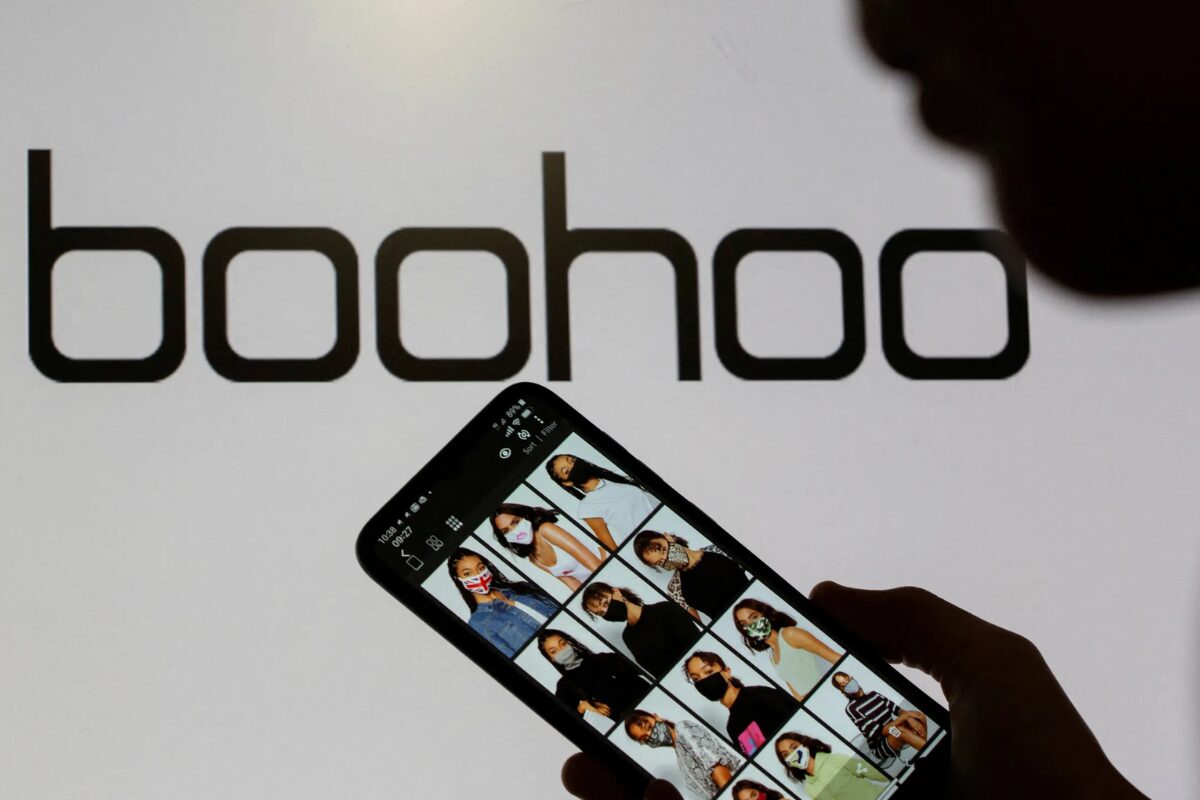
Fast fashion brand criticized for performative social justice marketing
What Went Wrong:
- The message conflicted with the brand’s real-world practices
- The campaign felt performative rather than genuine
- Social media amplified the gap between words and actions
Why It Backfired:
- Consumers value consistency more than clever messaging
- Trendjacking magnified existing trust issues instead of hiding them
- The brand appeared to use social issues for visibility, not change
This is a classic case of inauthentic brand marketing. When a brand’s actions don’t match its messaging, trendjacking amplifies the hypocrisy instead of hiding it.
Case 2: Liz Truss Lettuce Pile-On (Media Trendjacking)
The “Liz Truss vs lettuce” meme started as sharp political satire during a chaotic moment in UK politics. Early posts worked because they were timely, contextual, and genuinely funny.
Then brands and media outlets piled on.
As the meme spread, many later posts stopped adding value. They repeated the same joke without insight, creativity, or relevance.
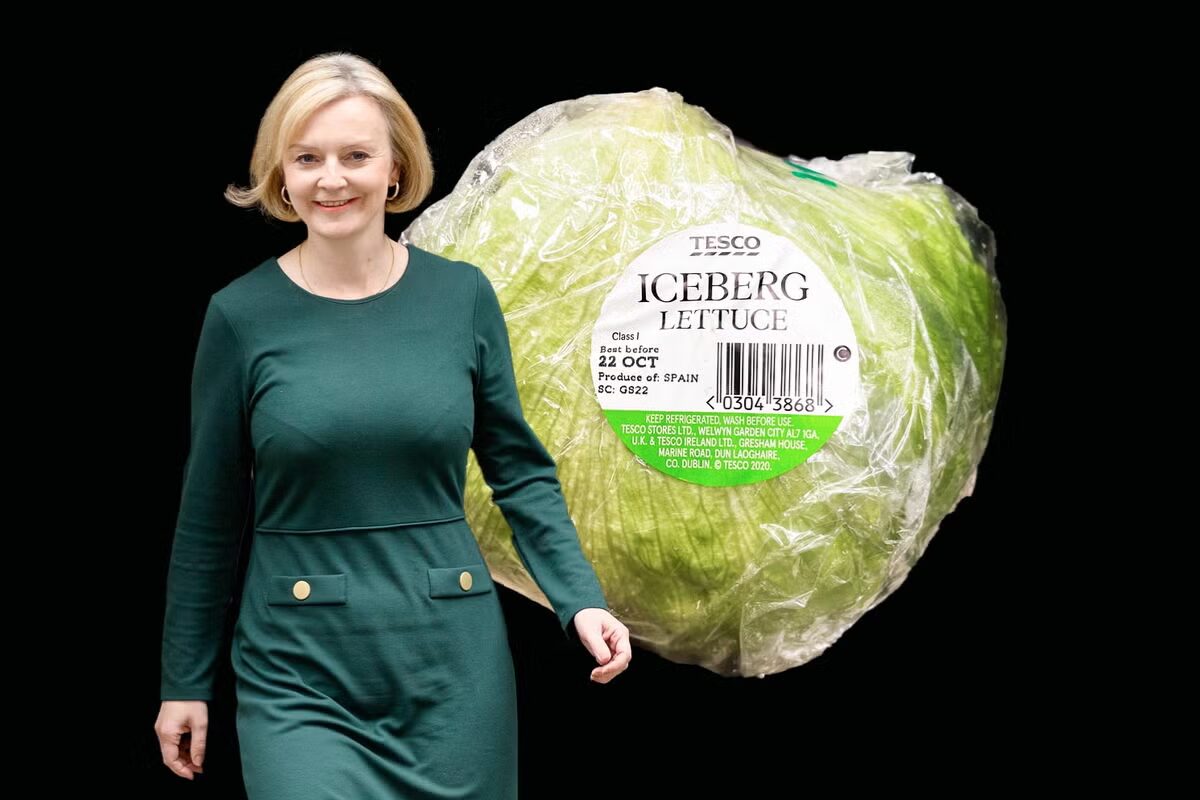
Brands piling onto a political meme and causing audience fatigue
What Went Wrong:
- Brands joined after the cultural moment peaked
- Most posts added no new angle or commentary
- The content felt opportunistic rather than intelligent
Why It Backfired:
- Audiences experienced meme fatigue quickly
- Repetition turned satire into noise
- Late-stage trendjacking diluted engagement instead of increasing it
Medium later published an analysis showing engagement fatigue after the first wave, labeling late posts as “digital noise.”
Case 3: Brands Jumping on the “AI Ghibli” Trend
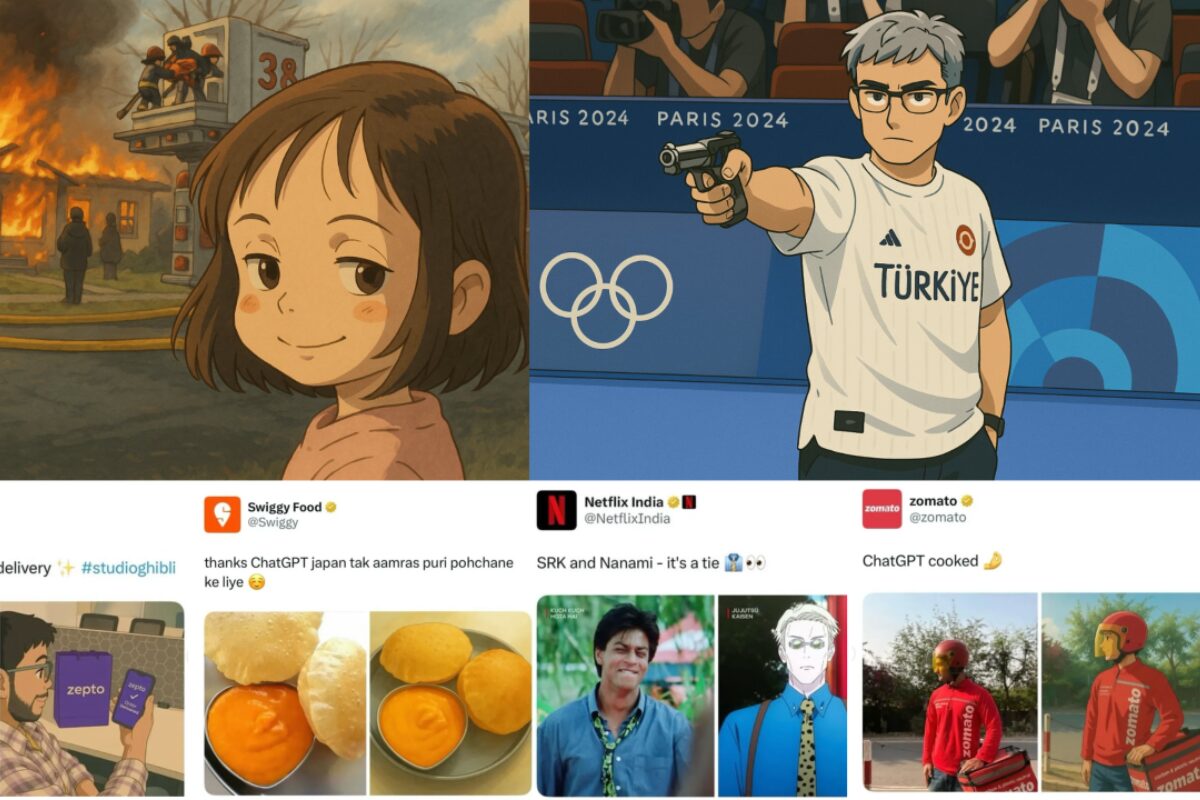
Brands using AI-generated Studio Ghibli–style visuals and facing backlash for trendjacking
In late 2024 and early 2025, AI-generated “Studio Ghibli–style” visuals flooded social media. What started as an experimental creative trend quickly became controversial, especially around copyright, originality, and artist exploitation.
Many brands rushed in.
They posted AI visuals mimicking Ghibli aesthetics with little explanation, credit, or awareness of the broader conversation. Instead of looking innovative, the content felt opportunistic.
What Went Wrong:
- Brands treated a complex cultural debate as a visual shortcut
- The posts ignored ethical concerns raised by artists and fans
- Most executions added no new idea beyond “we used the trend too.”
Why It Backfired:
- Audiences saw the content as lazy and tone-deaf
- Creators called out brands for exploiting art styles without respect
- The backlash focused less on AI itself and more on how brands used it
This is a modern example of trendjacking failing not because the trend was bad, but because the brand participation lacked awareness and responsibility.
Trendjacking Done Right: Duolingo’s TikTok Strategy
Unlike most brands, Duolingo doesn’t chase trends – it shapes how they’re used.
In 2024 and 2025, Duolingo continued to dominate TikTok by leaning fully into its chaotic green owl persona. Instead of selectively “trying” trends, the brand commits to them with consistency and self-awareness.
Why It Works:
- The brand interacts like a real internet user, not a corporate account
- Trends are adapted to fit Duolingo’s existing personality
- There’s no forced product push inside the joke
Duolingo doesn’t feel like it’s borrowing culture. It feels like it belongs there.
And that’s the key difference.
Most brands try to copy the format of Duolingo’s success without understanding the foundation: a clearly defined voice, long-term commitment, and willingness to accept risk.
The lesson isn’t “be louder” or “post faster.” It’s to build a presence that earns participation – so trends don’t feel borrowed in the first place.
Better Alternatives to Brand Trendjacking: Smarter Culture-Tapping Strategies
Brands engaging with culture intentionally instead of trendjacking
So if trendjacking fails so often, what should brands do instead?
The answer isn’t avoiding culture – it’s engaging with it intentionally.
Build Original Memes or Platforms
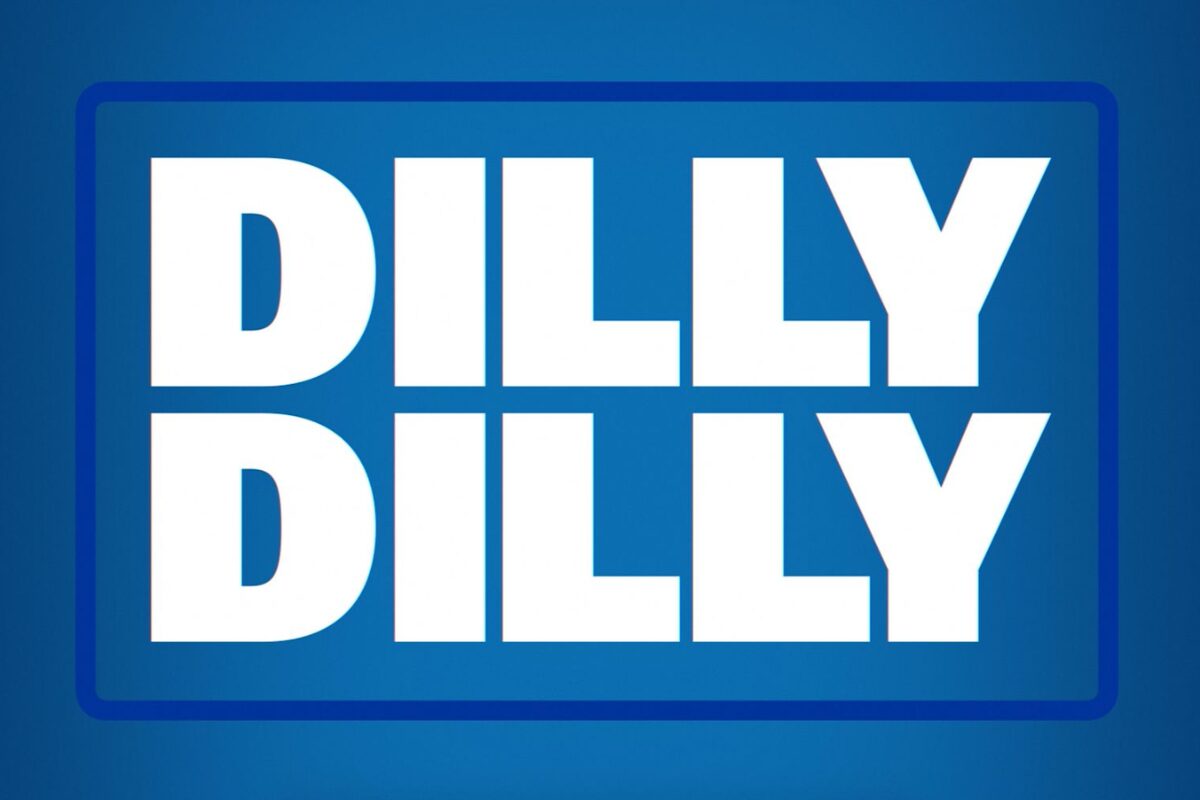
Bud Light didn’t wait for a trend to jump on. They created their own cultural hook.
“Dilly Dilly” wasn’t just a campaign line. It became:
- A repeatable phrase people could reuse naturally
- A cultural shorthand tied directly to the brand
- A brand-owned meme no competitor could hijack
This approach works because it:
- Reduces dependence on external trends
- Builds long-term brand recall instead of short-term spikes
- Avoids cringe from copying formats the brand doesn’t own
Originality gives brands control. Reaction doesn’t. And over time, original platforms scale far better than borrowed trends.
Focus on Value or Entertainment First
Trends may grab attention, but value is what keeps people engaged.
Across multiple social media and content marketing reports, a consistent pattern shows up: posts that entertain, educate, or offer clear insight tend to generate significantly higher engagement and longer dwell time than posts that simply reuse trends.
In other words, audiences respond better when content gives them something, not just when it borrows visibility.
Before posting any trend-based content, ask:
- Does this help? (clear takeaway or insight)
- Does this entertain? (genuine humor, not forced jokes)
- Does this teach? (new perspective or understanding)
- Does this respect context? (timing, emotion, culture)
If the answer is “no” to most of these, skip the trend. Silence is better than noise.
Step-by-Step: A Smarter Alternative to Trendjacking
If you must trendjack, follow this three-step audit:
- Audit Fit: Does this trend align with our core values? Does our audience actually care about this, or are we just doing it for us?
- Add a Unique Spin: How can we make this “ours”? If a tech company uses a “Brat” aesthetic, can they link it to “Bratty” code bugs? (Even then, be careful).
- Test Small: Post on a platform like “X” or Threads where the “half-life” of content is short before moving it to your main Instagram or LinkedIn page.
This approach keeps brands culturally relevant without risking backlash and replaces trendjacking with thoughtful participation.
Conclusions
Consumers don’t hate trends – they hate lazy, opportunistic marketing. Brand trendjacking fails not because trends are bad, but because brands misuse them without context, value, or cultural understanding.
The brands that win are not the fastest; they’re the most thoughtful.
At Golden Owl Digital, we partner with brands to build culturally aware strategies that attract attention without sacrificing trust. Rather than chasing every trend, we focus on creating content that’s authentic, consistent, and genuinely engaging for the long haul.

Jaden is an SEO Specialist at Golden Owl Digital. He helps brands rank higher with technical SEO and content that resonates