In 2026, most B2B teams are active on social media, yet organic traffic still feels stubbornly flat. Google doesn’t rank pages because they perform well on social, but social platforms do influence how content gets discovered, linked to, and searched for over time.
That’s why the real question isn’t whether social media helps SEO, but which social media is best for SEO for your specific business. This guide breaks down how different platforms support search in practice, so you can focus effort where it actually compounds, and stop spreading resources too thin.
Key Takeaways:
- Social posts can speed up content discovery and increase the chances of earning secondary links over time.
- YouTube videos can appear directly in Google’s video results, expanding your brand’s search presence beyond traditional web pages.
- Twitter (X) is often useful for faster content discovery, especially for time-sensitive or frequently updated pages.
- LinkedIn increases your B2B brand’s visibility if your profile is sharp and your posts have flavor.
- Clean, keyword-filled profiles? Expect more clicks and engagement.
What is Social Media SEO?
Social Media SEO refers to the way social platforms support search performance indirectly, by helping content get discovered, reinforcing brand and topical signals, and creating demand that shows up later in search. It sits at the intersection of content distribution, brand visibility, and search behavior.

Social media plays a significant role in the overall SEO strategy
However, social media SEO does not mean direct improvements in Google rankings or higher positions in search results.
Here’s what actually tends to happen in practice:
- Earlier content discovery: When content is shared on the right platforms, it’s often discovered sooner by people already active in your industry. Some of them run websites, newsletters, or communities, which is where secondary links and mentions usually originate.
- Stronger branded search signals: Repeated exposure in relevant contexts increases the likelihood that buyers search for your brand by name later. Google already understands how to interpret this type of behavior.
- Faster crawl awareness: Social distribution can help new or updated pages get noticed earlier by search engines. It doesn’t guarantee indexing or rankings, but it often shortens the time to first crawl.
- Qualified early traffic: Social posts can drive initial visitors who are aligned with the topic. This helps validate relevance and sometimes leads to further amplification elsewhere.
- Reinforced topical relevance: When social and search visibility move in the same direction, brand recognition becomes clearer, and topical signals are easier for search engines to interpret.
Bottom line: treat social platforms as discovery and reinforcement channels, not ranking levers. When they’re aligned with your SEO goals, the rest of the system works more smoothly.
Which Social Media is Best for SEO? 6 Top Platforms in 2026
Identifying which social media is best for SEO depends on your target audience, industry, and content type. Here are six platforms that stand out in 2026.
But before we dive into each platform, we made a table summarizing how different social channels tend to support SEO in practice and when they’re most useful.
| Platform | Best fit for | SEO value it tends to support | Usually not worth it when |
| YouTube | B2B SaaS, technical products, services | Search surface expansion, referral traffic, brand discovery | Content doesn’t benefit from explanation or can’t be published consistently |
| X (Twitter) | Content-led B2B, founders, operators | Early discovery, brand awareness, indirect links | Inconsistent posting or low audience relevance |
| Local businesses, services, niche B2B communities | Credibility, reviews, referral traffic | Limited to page posts without community participation | |
| Visual consumer brands | Brand awareness, top-of-funnel traffic | Non-visual offerings or expectations of indexable content | |
| B2B SaaS, professional services | Branded search visibility, credibility | Purely transactional or price-driven businesses | |
| E-commerce, evergreen content brands | Long-tail discovery, sustained referrals | Time-sensitive or non-visual content |
1. YouTube
The world’s video search engine:
- Over 2 billion monthly users in 2026; people use YouTube to search for answers, tutorials, and reviews, just like Google.
- Videos can appear in Google’s video results, expanding where your brand shows up during research.
Get discovered quicker:
- Clear, search-aligned titles tend to outperform clever taglines (e.g. “How to Optimize SEO in 2026”).
- Discovery usually comes from intent-based searches, not subscribers.
Basic optimization that matters:
- Write descriptions for humans first, with natural keyword usage.
- Add links to your site or relevant resources for referral traffic.
- Use a small set of honest tags aligned with real searches.
- Always include captions or transcripts to improve content understanding.
Distributing your content is crucial as well:
- Embed videos in relevant blog posts.
- Share through email newsletters.
- Repurpose links across other platforms when context fits.
Real outcomes:
Optimizing video metadata can improve visibility in video results and lead to noticeable referral traffic to the site. One time I did this, people started following my brand on Instagram and LinkedIn because of that one video.
Best fit for:
- B2B SaaS, technical products, or services where explanations, demos, or walkthroughs reduce buying friction.
Usually not worth it when:
- The content doesn’t benefit from visual explanation.
- You can’t publish at least occasionally with a clear purpose.
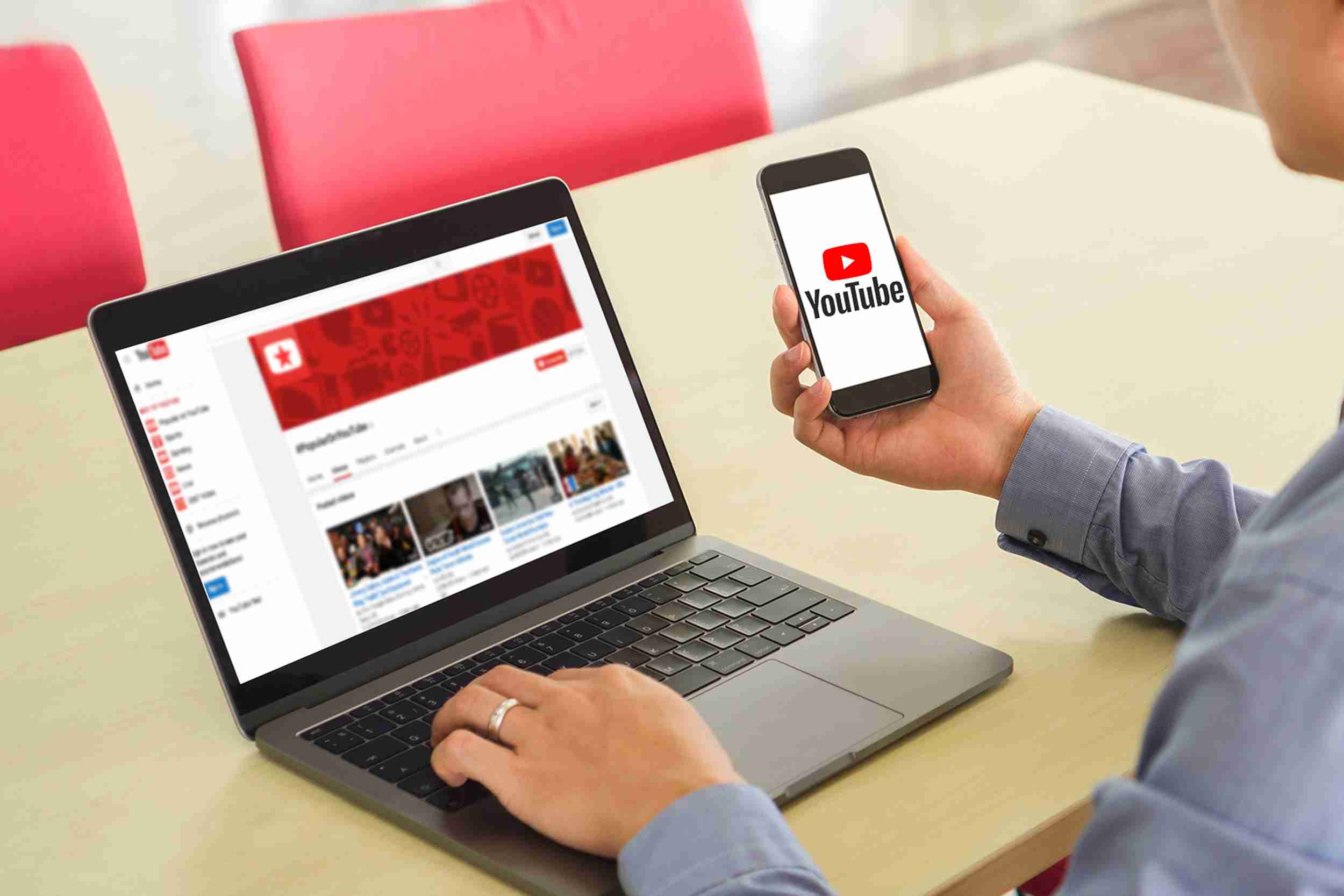 YouTube’s video content boosts rankings and drives traffic to the website
2. X (Formerly Twitter)
X isn’t a traditional SEO channel, but it plays a role when content velocity and topical visibility matter. It works best as a distribution and amplification layer.
Why is X so effective for SEO?
- Posts get indexed quickly and can surface in brand or topic-based searches.
- Threads help ideas travel fast among journalists, founders, and operators.
- Strong posts often lead to secondary exposure: bookmarks, screenshots, or links elsewhere.
What actually works for X SEO?
- Hashtags = Instant Visibility: Pick ones that matter to your niche, not just what’s trending. Using focused tags exposed my posts to completely new circles fast.
- Engage Like You Mean It: Don’t just shout and run. I reply, retweet others, and jump into threads. Each real interaction pushes my content that much further and brings in a burst of new eyes.
- Share Content with a Hook: Boring links flop. Try a punchy headline, maybe a quirky emoji, and always a visual if possible. That’s what gets clicks and shares.
- Profile = Mini SEO Billboard: I put my core keyword (“SEO Writer,” for example) right in my bio and handle. Suddenly, both X and Google started surfacing my profile when people searched.
Best fit for
- B2B SaaS SEO, media-driven brands, or teams that already publish frequently.
- Businesses targeting founders, operators, or technical audiences active on X.
Usually not worth it when
- You can’t post consistently.
- Your buyers aren’t active on the platform.
- You’re expecting sustained referral traffic.
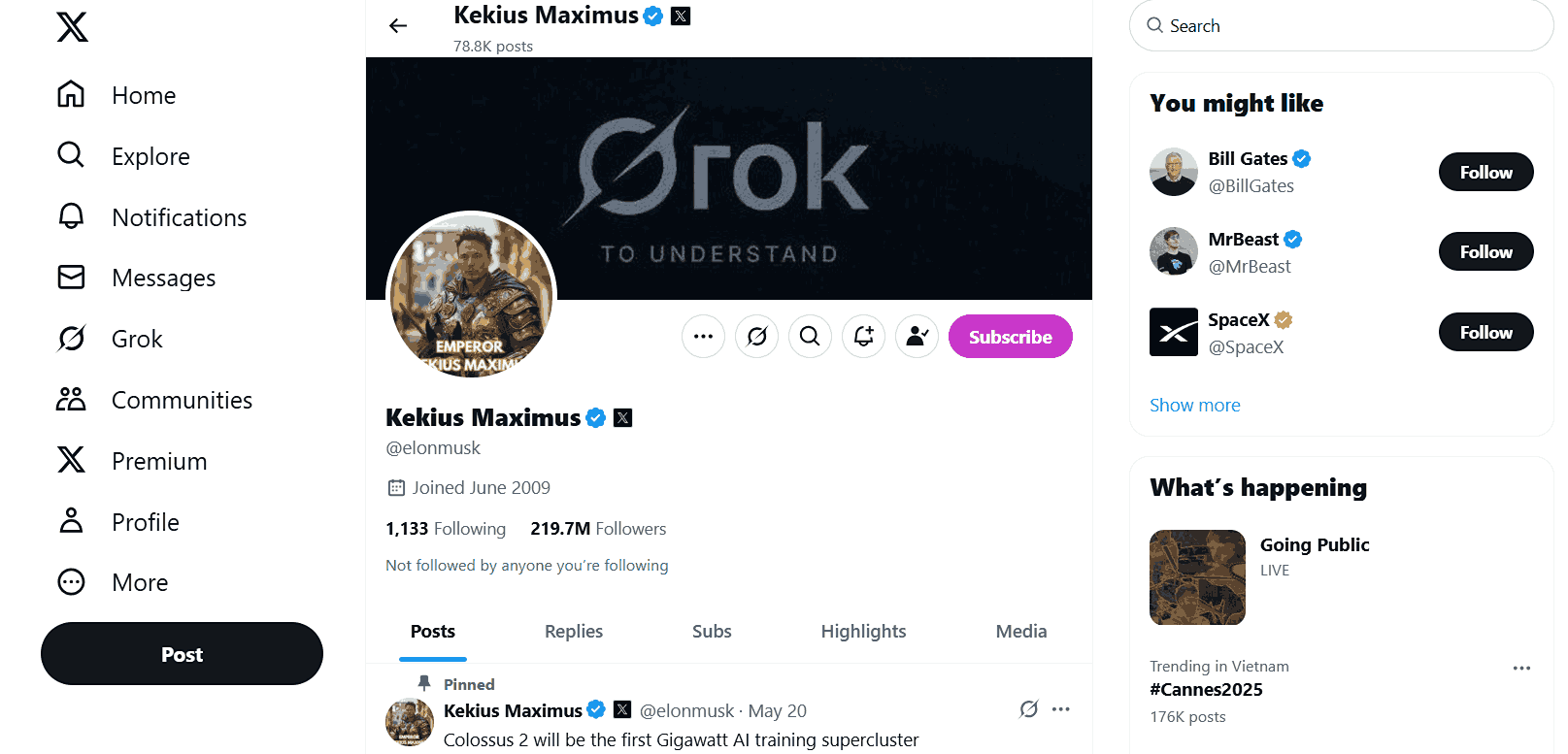
X’s rapid indexing helps content reach search engines quickly
Download the list of the 20+ best social sites for SEO to excel your brand’s visibility.
3. Facebook
Facebook remains a dominant social media platform with a vast user base in 2026 (with around 3 billion monthly users). The Facebook SEO impact comes from its ability to generate leads and drive traffic. It offers various features that can support your SEO efforts:
- Business Pages: Create a comprehensive business page with accurate information and keywords.
- Content Sharing: Post regular updates, including blog posts, videos, and infographics, to engage your audience.
- Community Building: Use groups and events to foster a sense of community and encourage user-generated content.
- Reviews and Ratings: Encourage satisfied customers to leave reviews, which can enhance your credibility.
For example, a post about a new product with a website link can bring visitors. Facebook’s large audience makes it a vital platform when considering which social media is best for SEO.
 Facebook’s lead generation supports which social media is best for SEO.
What tends to happen in practice
- Traffic volume is inconsistent but often relevant.
- Brand searches and trust signals increase over time.
- SEO impact remains indirect and supportive.
Best fit for
- Local businesses SEO, service providers, and B2B niches with active Facebook groups.
- Brands where reviews, reputation, and community presence matter.
Usually not worth it when
- Activity is limited to page posts without group engagement.
- The audience isn’t active on Facebook.
- You expect measurable ranking improvements.
When choosing the best social media platforms for your SEO strategy, consider not only engagement and traffic but also how social bookmarking can enhance your efforts. Learn more about social bookmarking in SEO from our blog.
4. Instagram
Instagram works best for visually driven brands such as fashion, food, and home décor. From an SEO standpoint, its impact is limited by how the platform is built. Instagram is heavily JavaScript-based, and individual posts are difficult for Google to index reliably.
The Instagram SEO strategy involves:
- Optimized Bio: Include a link to your website and relevant keywords in your bio.
- Hashtags: Use targeted hashtags to increase the reach of your posts.
- Engaging Content: Share high-quality images and videos that resonate with your audience.
- Stories and Reels: Utilize these features to showcase behind-the-scenes content and promotions.
Practical considerations
- Website links from Instagram are typically no-follow.
- Accounts with an established following tend to drive more meaningful traffic than new or inactive profiles.
- Traffic is usually top-of-funnel and intent varies.
 Instagram’s visual posts attract users through optimized profiles and hashtags
Best fit for
- Consumer-facing brands where visuals strongly influence buying decisions.
- Businesses using Instagram primarily for brand building and awareness.
Usually not worth it when
- Your offering isn’t visually driven.
- You’re expecting indexable content or direct SEO gains.
- The account lacks consistency or a real audience.
5. LinkedIn
In 2026, LinkedIn, with over 1.3 billion users, is still one of the most effective platforms for B2B visibility. From an SEO perspective, LinkedIn performs well for branded and people-based searches.
To maximize SEO, refer to the following strategies:
- Profile Optimization: Use relevant keywords in your profile and company page descriptions.
- Content Sharing: Publish articles and updates that showcase your expertise and industry knowledge.
- Networking: Connect with industry professionals to expand your reach and authority.
- Engagement: Participate in relevant groups and discussions to increase visibility.
What tends to happen in practice
- LinkedIn strengthens brand and personal credibility during the research phase.
- Content visibility increases branded searches over time.
- Direct referral traffic exists but is rarely the main SEO value.
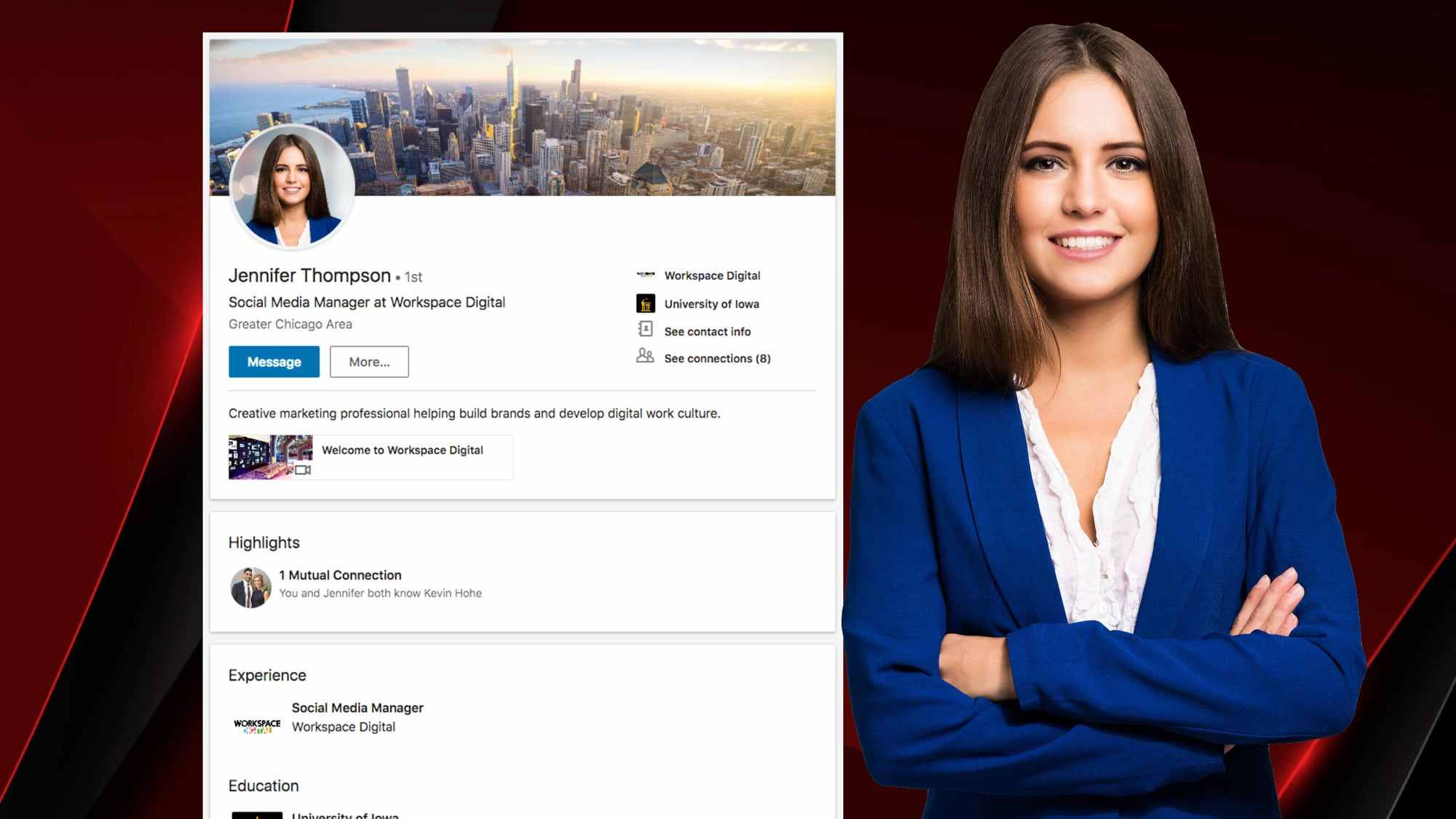 LinkedIn’s professional profiles increase brand visibility for B2B audiences
Best fit for
- B2B SaaS, professional services, and enterprise-focused businesses.
- Companies where buyers research people and expertise before vendors.
Usually not worth it when
- The business is purely local or price-driven.
- There’s no willingness to engage consistently.
- Expectations are tied to direct ranking improvements.
6. Pinterest
Pinterest is a visual discovery platform that can drive significant traffic to your website (with 600 million monthly users in 2026). Key strategies include:
- Optimized Pins: Pins with keyword-rich descriptions and website links drive traffic
- High-Quality Images: Share visually appealing images that encourage users to click through to your website.
- Consistent Pinning: Regularly add new pins to maintain an active presence.
- Use Pinterest Trends: To find popular keywords and enhance user experience.
How Pinterest supports SEO in practice
- Pins can appear in Google image or discovery-based results.
- Evergreen pins continue sending traffic months after publishing.
- Referral traffic often aligns well with informational and early research intent.
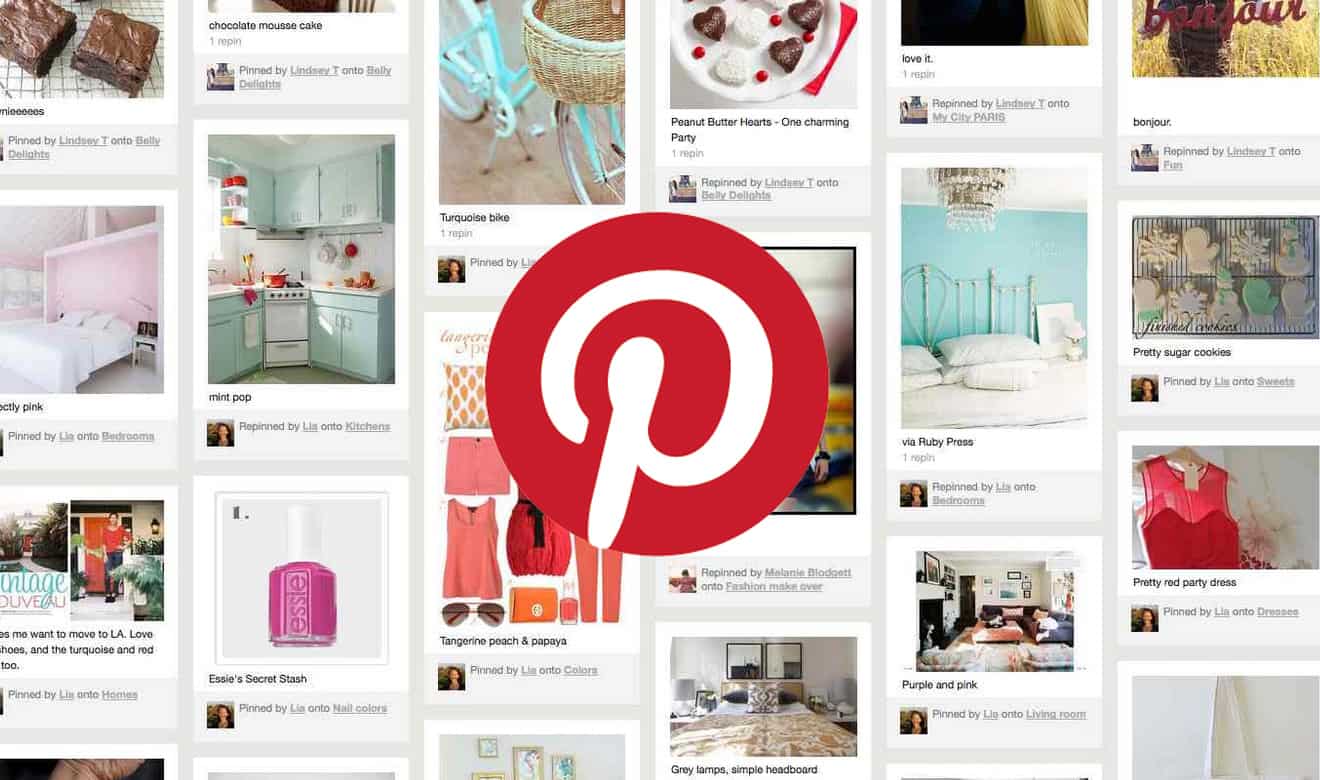
Pinterest’s pins link to websites, driving traffic for visual niches
Best fit for
- E-commerce, lifestyle, education, and content-led sites with strong visuals.
- Businesses producing evergreen guides, tutorials, or collections.
Usually not worth it when
- Content isn’t visually adaptable.
- Topics are time-sensitive or news-driven.
- There’s no capacity for consistent pin creation.
How to Choose the Right Social Media for Your Business (for SEO)
There is no single “best” social media platform for SEO. The right choice depends on how your buyers research, what you can produce consistently, and what SEO outcome you actually need.
Start with buyer behavior
- If buyers search for explanations or walkthroughs, YouTube usually fits.
- If they evaluate people, expertise, and credibility, LinkedIn matters more.
- If discovery is visual and idea-driven, Pinterest or Instagram tends to work better.
- If conversations and fast distribution shape awareness, X or Facebook Groups play a role.
Match the platform to your content reality
- Choose platforms that align with the content you can sustain, not what feels popular.
- Consistency compounds; occasional posting rarely does.
Be clear about the SEO value you want
- Brand searches and trust → LinkedIn, Facebook
- Referral traffic → Pinterest, YouTube
- Early discovery → X, YouTube
- Local credibility → Facebook, LinkedIn
Below is our table to help you choose the right social media platform based on your business type:
| Business type | Best-fit platforms | Why |
| B2B SaaS | LinkedIn, YouTube | Credibility + explanation-driven research |
| Local services | Facebook, LinkedIn | Reviews, trust, community |
| E-commerce / visual | Pinterest, Instagram | Discovery + evergreen traffic |
| Content-led brand | X, YouTube | Distribution + early visibility |
In practice, one or two well-chosen platforms almost always outperform trying to be active everywhere.
Social Media SEO Strategies
To make the most of social media for SEO, you need clear strategies. Below are ten practical ways to boost your rankings using social platforms. These strategies help you understand which social media is best for SEO and how to apply them effectively.
Social Sharing Buttons on Your Website
SEO Benefit: Adding social sharing buttons makes it easy for visitors to share your content, increasing visibility and driving more backlink opportunities.
Actionable Tip: Position sharing buttons at key locations on your blog posts or landing pages to encourage sharing without interrupting the reading flow.
Pro Tip: Add floating share buttons for accessibility, allowing users to share your content with just one click.
| Read more: Outsource Backlink Building: 6 Steps to Get It Right |
Integrated Keyword Strategy
SEO Benefit: Using the same target keywords on your website, blog, and social media platforms creates consistency, making it easier for search engines to identify your content.
Actionable Tip: Integrate primary keywords in your social media posts, video descriptions, and blog content to reinforce your SEO strategy.
Pro Tip: Use long-tail keywords in your social media posts and make them natural, avoiding keyword stuffing.
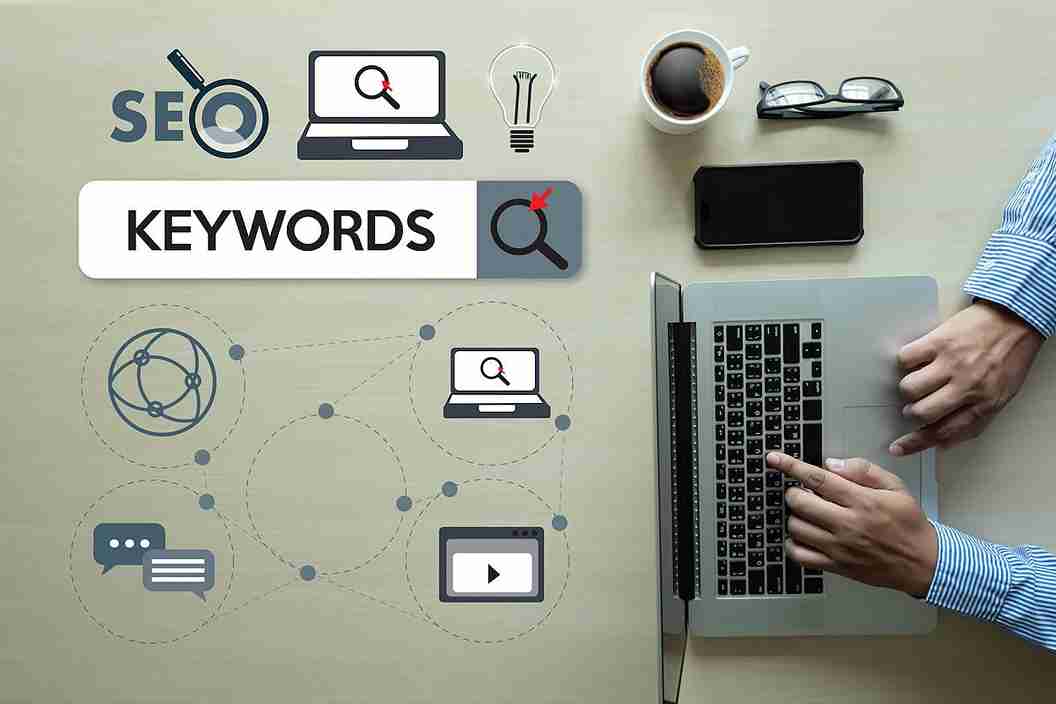
Keywords unify social posts and website content for better visibility
Include Links in Social Profiles
SEO Benefit: Social media profiles are indexed by search engines. Including your website link in your bio adds more backlink opportunities, improving your SEO.
Actionable Tip: Always add your website link to your social media bio, especially on platforms like Instagram (using Linktree), LinkedIn, and Twitter.
Pro Tip: Use clear CTAs like “Visit our website” in your bio to increase the chances of users clicking through.
| Read more: Outsourced SEO Services. Maximize Results & Save Big on Costs |
Incorporate Links into Video and Presentation Content
SEO Benefit: Including links in your video descriptions or presentation content helps drive traffic back to your website, creating more backlinks.
Actionable Tip: For YouTube, always add your website link and a call-to-action (CTA) in the video description.
Pro Tip: On platforms like SlideShare, add clickable links directly to your slides to guide users to your blog or landing pages.
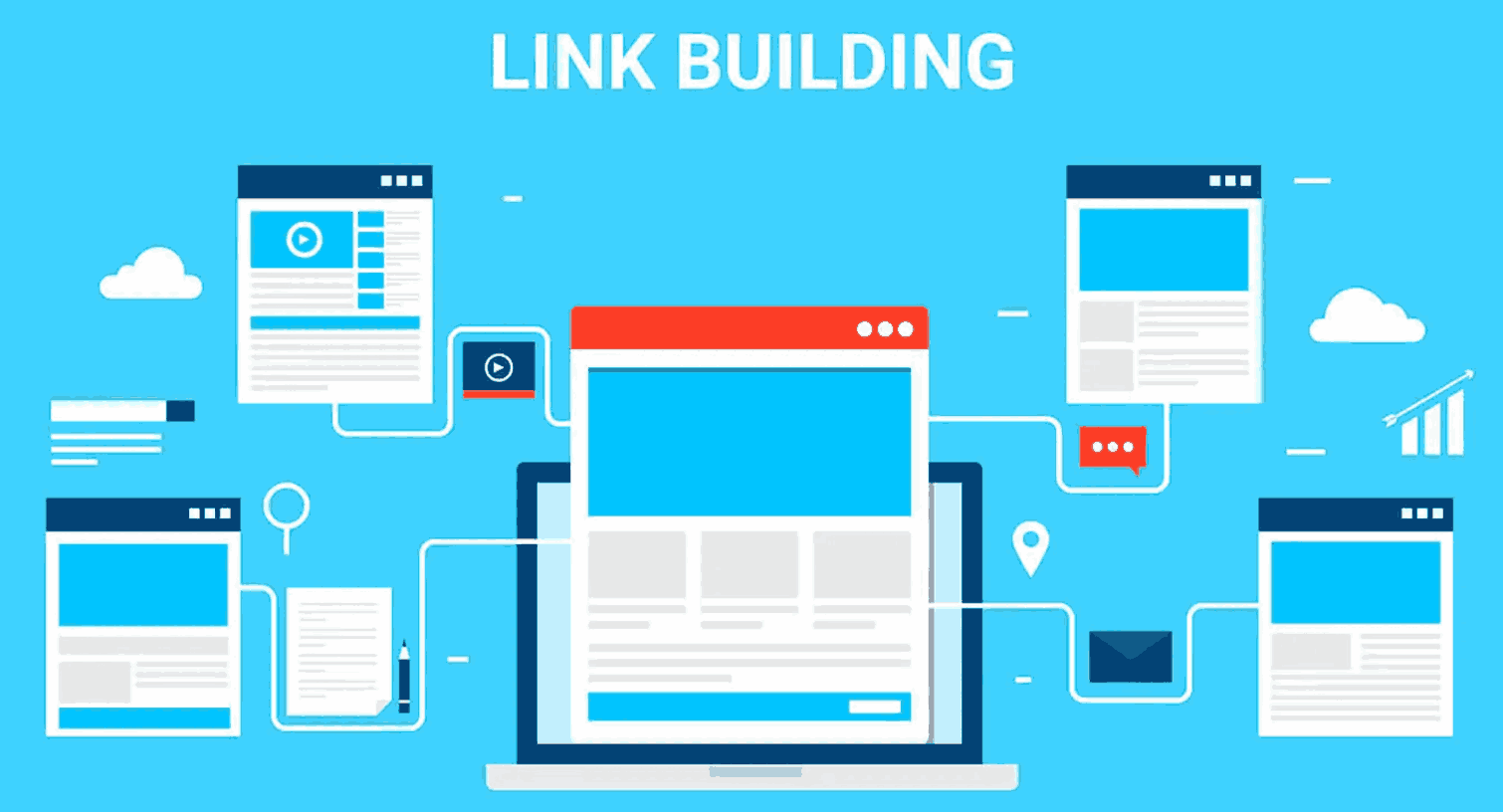 Links in videos and presentations guide users to website content
Optimize Social Profiles
Your social media profiles should be optimized just like your website. That means using keywords, consistent branding, and complete details. Steps to optimize:
- Use your primary keyword (like which social media is best for SEO) in your About sections.
- Include your business name and location where relevant.
- Use a clear profile photo and cover image that reflects your brand.
- Fill out all profile fields completely because empty profiles can look untrustworthy.
By optimizing profiles across platforms like Facebook, LinkedIn, and Twitter, you increase the chances of your pages showing up in search results.
Building Links and Social Media Reach
Social media links are often “nofollow,” meaning they don’t directly boost SEO authority. However, they drive traffic and encourage others to link to your content. Tactics for building links:
- Create share-worthy content: infographics, research, or long-form guides.
- Participate in Twitter chats or LinkedIn discussions to gain followers.
- Tag influencers and ask for their input to increase shares.
- Share high-quality content, like blog posts or infographics, to attract shares.
Establish Relationships
Social media is a two-way street. Building relationships with industry experts, peers, and influencers on these platforms can indirectly benefit your SEO. You can gain visibility by commenting on their posts or sharing their content.
Why does this matter for SEO?

- Relationships can lead to mentions on blogs and websites (a goldmine for backlinks).
- It boosts trust and visibility across your niche.
- Engaging with others increases your content’s reach and shareability.
Start simple: comment on posts, reply to tweets, reshare quality content, and tag others in your posts where appropriate. Over time, people start to notice. They engage back. Eventually, they might feature your work in their content.
Boost Your Content Creators’ Profiles
Promote your team’s social profiles to increase their reach. This builds trust and attracts more followers, driving traffic to your website.
How to support creators:
- Tag writers, designers, or video creators in your social posts.
- Encourage them to share your brand’s content on their profiles.
- Create author pages on your website and link them to their social media.
Content creators have strong social followings. It increases content exposure and can lead to more backlinks and mentions. For example, if your lead blogger posts an article and shares it from their own LinkedIn profile, it might get more traction than a post from the company page.
Increasing Positive Mentions
Positive brand mentions, even without direct links, can influence how search engines view your credibility. Google uses brand signals to understand which brands are being talked about positively.
How to increase brand mentions:
- Offer exceptional customer service and encourage feedback.
- Run user-generated content campaigns.
- Send free products to influencers or micro-influencers.
- Use brand hashtags and encourage users to share experiences.
The more your brand is mentioned across social media platforms, the more authority you gain in your niche. Platforms like Facebook and Instagram are perfect for these tactics. If you’re asking, “Which social media is best for SEO?”, then it often comes down to where you’re being positively talked about the most.
Collaborating with Influencers
Working with influencers can skyrocket your brand visibility. Influencers have loyal audiences who trust their recommendations.
Influencer SEO benefits:
- More branded search traffic
- Increased chances of backlinks from high-authority blogs
- Exposure to new, relevant audiences
Choose influencers whose followers match your target audience. A well-planned campaign can provide long-term SEO benefits through shares, links, and mentions.
Conclusion
Social media doesn’t replace SEO, and it doesn’t move rankings on its own. Its value shows up in discovery, credibility, and demand that compound over time.
The platforms that support SEO best are the ones aligned with how your buyers research, what your team can execute consistently, and the outcome you actually need. In practice, one or two well-chosen channels almost always outperform spreading effort across many.
At Golden Owl Digital, we see social media work best when it’s treated as part of the search system and not some kind of growth hack. Clear intent, realistic expectations, and tight execution matter far more than platform count.