
Running a small business often means making hard choices with limited resources. Marketing usually gets pushed aside when budgets tighten. But in practice, many small brands grow faster precisely because they are forced to be smarter, not louder.
Many of the fastest-growing small teams we work with at Golden Owl Digital share this exact constraint. Limited budgets force clearer priorities, tighter execution, and better alignment between marketing effort and business impact. When resources are limited, strategy matters more than tools.
This guide shares 9 tight budget marketing strategies for small businesses, helping gain traction without relying on expensive campaigns.
Key takeaways:
|
What Is Tight Budget Marketing? When to Use It?
Tight-budget marketing is a practical approach to growth where businesses focus on maximum impact with minimal spending. Instead of paying for visibility, you earn it through consistency, relevance, and smart execution.
This type of marketing shifts attention from “how much can we spend?” to “what actually moves the business forward?”

What is tight budget marketing
Tight-budget marketing works especially well when:
- You are an early-stage startup or small business: At this stage, learning and validation matter more than scale. Spending less allows room to test and adjust.
- Cash flow is limited or unpredictable: Low-cost tactics reduce pressure and keep marketing sustainable month to month.
- You want long-term results, not quick spikes: Organic channels like SEO, email, and referrals compound over time.
- You rely on trust-based selling: Service businesses and B2B companies benefit most from credibility-driven marketing.
In short, tight-budget marketing is not a downgrade. It is a deliberate strategy for businesses that want controlled, steady growth.
9 Zero-to-Hero Tight Budget Marketing Strategies for Small Businesses
These 9 strategies focus on low-cost marketing ideas, zero-budget promotion techniques, and cost-effective advertising that small businesses can realistically execute.
- Social Media That Converts for Free
- Local Networking & Partnerships
- Email to Retain Customers
- High-Value Content Marketing
- Offline Events & Trade Shows
- Discounts & Loyalty Programs
- Referral Systems That Spread
- Unconventional Channels
- Google Business Profile (Local SEO)
1. Social Media That Converts for Free
Stop trying to go viral and start trying to be helpful. Organic reach on platforms like Facebook is tough, but vertical video (TikTok, Instagram Reels, YouTube Shorts) is a goldmine for zero-budget promotion techniques.
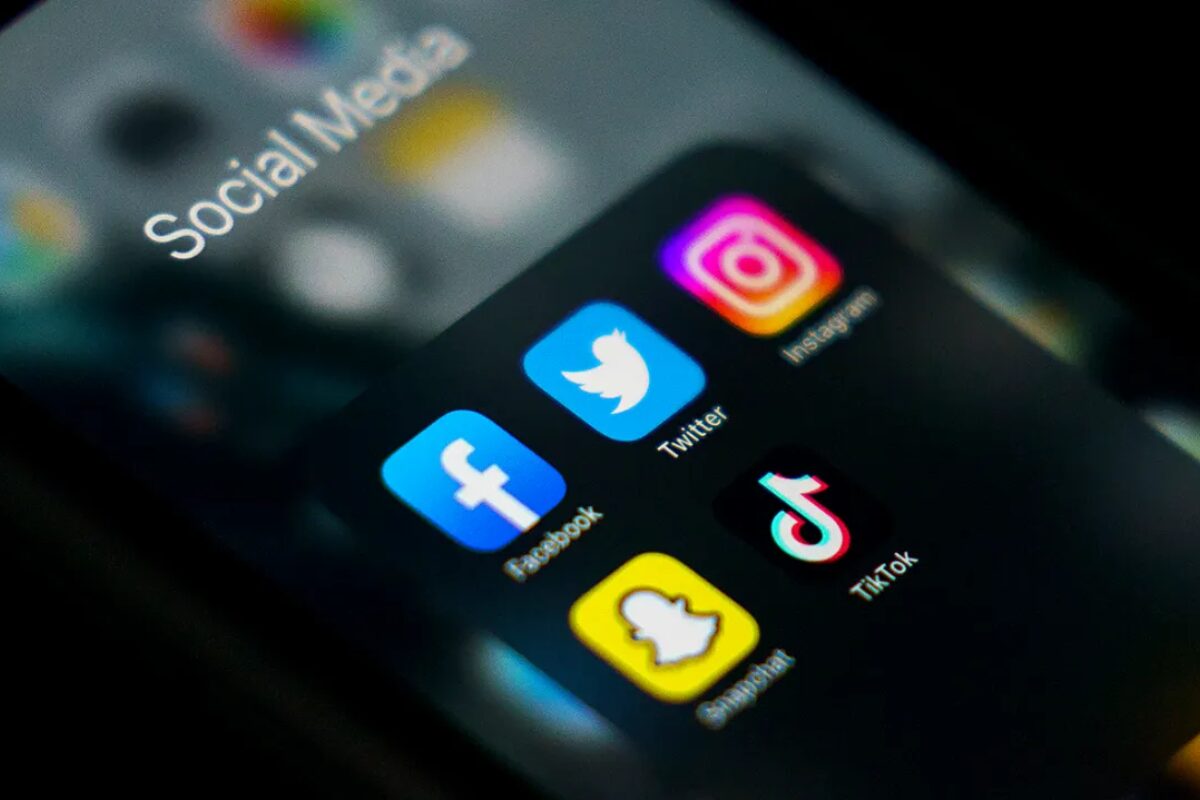
Organic social media marketing strategies that convert customers without paid ads
Post types that work without ads:
- Quick how-to posts: These solve one small problem in under 60 seconds. They perform well because people can apply the tip immediately.
- Before–after or problem–solution posts: Showing change builds credibility faster than claims.
- Behind-the-scenes content: This humanizes your brand and builds trust, especially for service businesses.
- Mini case studies: Short stories about real results feel authentic and convert better than polished sales posts.
The key is consistency. One strong post idea reused across formats often outperforms constantly chasing new trends.
Instead of spreading effort across multiple platforms, choose one primary channel where your target customers already spend time.
For example:
- B2B services often perform best on LinkedIn.
- Local businesses see stronger engagement on Facebook or Instagram.
- Education and lifestyle brands grow faster on TikTok.
Pro Tip: Use User-Generated Content (UGC). Ask customers to tag you in their photos. Reposting their content costs nothing and builds massive social proof.
Free tools to support execution:
- Canva for visuals and carousels
- CapCut for short-form video editing
- Meta Business Suite for scheduling
- Google Drive to store reusable content ideas
2. Local Networking & Partnerships
When budgets are tight, partnerships can replace paid reach. Instead of competing for attention, you collaborate with others who already serve your audience.
The most effective partnerships are built around shared value, not promotion alone.

Local networking and partnership marketing ideas for small businesses with limited budgets
Common low-cost partnership ideas include:
- Co-hosting free workshops or webinars: This allows both sides to share audiences without extra spending.
- Cross-promoting through email newsletters: A simple mention can introduce your brand to warm leads.
- Creating bundled offers: Combining services increases perceived value without increasing cost.
- Informal referral agreements: Trust-based referrals often outperform ads.
Partnerships work because they shorten the trust-building process. When someone is introduced through a known source, hesitation drops significantly.
3. Email Marketing to Retain Customers on a Tight Budget
It is 5 to 25 times more expensive to acquire a new customer than to keep an existing one. Email is the ultimate cost-effective advertising tool because you own the list.
Unlike social media, email is not controlled by algorithms. You reach people directly.
Effective email strategies on a tight budget include:
- Sending short, helpful emails regularly: Even one useful tip per week keeps your brand relevant.
- Sharing real customer stories or outcomes: These build credibility without sounding promotional.
- Highlighting offers only when relevant: Timing matters more than frequency.
Email works best when it feels like a conversation, not a campaign. Clear, simple messages often outperform long, polished newsletters.
Free automation hacks:
- Use welcome sequences on free email plans: A 3-email sequence can introduce your brand, share value, and invite action.
- Set up simple follow-ups: For example, a reminder email after a download or signup.
- Segment manually at first: Even basic segmentation improves relevance without paid tools.
Emails don’t need to be long. Clear, friendly messages feel more personal and drive higher response rates.
4. High-Value Content Marketing With Low Cost
Content marketing is one of the strongest budget-friendly marketing tactics when patience is available. While it takes time to show results, it delivers consistent returns once it gains traction.
The key is to focus on quality, not volume.
In practice, content performs best when it is mapped to clear search intent and realistic ranking opportunities. This is the approach we apply at Golden Owl Digital when helping teams turn a small number of well-structured articles into consistent, qualified organic traffic.
Low-cost content strategies include:
- Writing long-form blog posts that answer real questions: One strong article can outperform ten generic posts.
- Targeting specific keywords with clear intent: This attracts visitors who are already looking for solutions.
- Repurposing content across channels: A blog post can become social posts, emails, or short videos.
Content builds authority quietly.
Over time, it positions your business as a trusted resource, not just another option.
Pro tip: Use tools like AnswerThePublic or Google Search Console to see what questions people are actually asking.
5. Offline Events & Trade Shows
Don’t underestimate the power of a handshake. Shoestring marketing methods often involve getting your boots on the ground.
Offline marketing does not need large budgets or elaborate setups. Small, targeted events often produce better conversations and stronger leads.

Cost-effective offline events and trade show marketing tips for small businesses
Affordable offline ideas include:
- Hosting free educational sessions: Teaching builds trust faster than selling.
- Speaking at community or industry events: Expertise attracts interest naturally.
- Partnering with coworking spaces or schools: These venues often welcome value-driven sessions.
Offline interactions feel more personal. Even a small group can generate meaningful connections and long-term clients.
For example: A freelance graphic designer printed 100 high-quality stickers and handed them out at a local tech meetup. Two of those stickers ended up on the laptops of CEOs who eventually hired her for $10k+ projects.
6. Discounts & Loyalty Programs
Cheap marketing strategies for small businesses often rely on the “frequent flyer” psychology.
- The Strategy: Use a simple punch card (digital or physical). Buy 9, get the 10th free.
- The Psychology: Once a customer has 3 punches, they feel “invested” in finishing the card. They are significantly less likely to switch to a competitor.
Smart discount ideas:
- First-time customer offers → Reduce purchase hesitation.
- Referral-based discounts → Encourage organic growth.
- Loyalty rewards → Increase repeat purchases naturally.
The goal is not to lower your value, but to incentivize action at the right moment.
7. Referral Systems That Spread
Turn your customers into your sales team. This is a classic no-spend growth hack.
Referral marketing turns happy customers into marketers.
People trust recommendations more than ads, especially for small businesses.
How to keep referrals simple:
- Offer a clear reward → Small incentives work better than complex ones.
- Make sharing easy → Use links or short messages.
- Remind customers occasionally → Many people are willing to refer—they just forget.
Referrals often bring higher-quality leads because they already trust you before the first interaction.
Example: Dropbox famously grew by 3900% in 15 months by giving users extra storage space for every friend they referred. You can do the same with service discounts or physical gifts.
8. Unconventional Marketing Channels With Zero Budget
Get off the beaten path. While everyone is fighting for space on Instagram, there is less noise on platforms like Reddit, Quora, or specialized Discord servers.
- The Strategy: Don’t spam. Search for threads where people are complaining about a problem your product solves. Provide a genuine, helpful answer and mention your business as an option.
How to approach these channels:
- Answer questions genuinely
- Share experience, not sales pitches
- Be consistent over time
When people see you as helpful, curiosity naturally turns into clicks and inquiries.
For example: A skincare brand founder spent 30 minutes a day answering questions on the r/SkincareAddiction subreddit. By being a “human” expert, she drove $2,000 in sales in her first month without spending a cent on ads.
9. Google Business Profile (Local SEO)
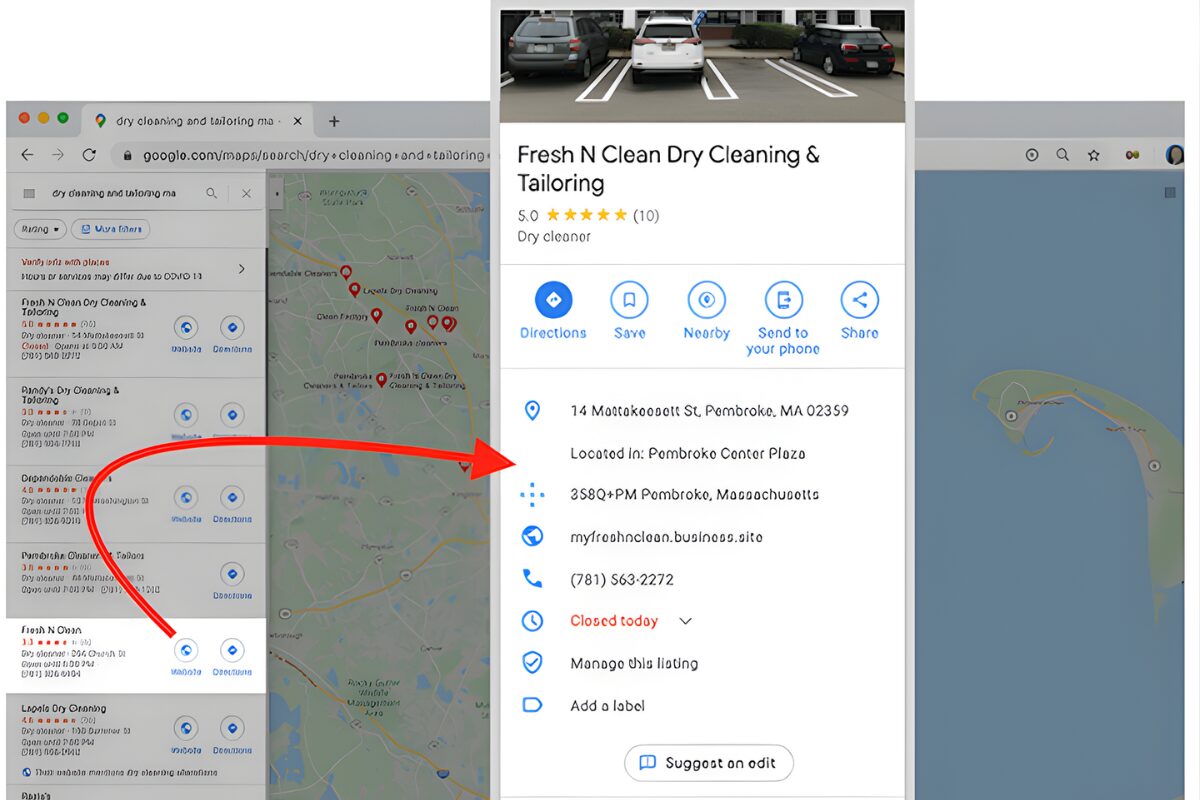
Google Business Profile optimization for local SEO and small business growth on a tight budget
This is the single most important zero-budget promotion technique for local businesses.
- The Strategy: Fully optimize your Google Business Profile. Upload photos weekly, respond to every single review (especially the bad ones!), and post “updates” just like you would on social media.
- The Result: When someone searches for “services near me,” you appear in the “Map Pack”—the most valuable real estate on the internet.
Build Your Tight Budget Marketing Strategy (Step-by-Step Guide)
Now that you have the ideas, let’s put them into a frugal marketing playbook you can actually execute.

Step-by-step guide to building a tight budget marketing strategy for small businesses
Step 1: Nail Your Customer Persona (Quick Template)
Clear targeting prevents wasted effort.
Without a defined customer persona, even free marketing consumes time without producing results.
A customer persona does not need to be complex. On a tight budget, your goal is clarity, not perfection. A simple persona helps you decide where to focus, what to say, and how to position your offer.
A basic persona should include:
- Role or job: This shapes how your audience thinks and communicates. A founder, a freelancer, and a marketing manager respond to very different messages and pain points.
- Primary problem: Focus on one main issue. People usually take action when a single problem becomes urgent, not when they face many small challenges.
- Preferred platform: This helps you avoid spreading effort across too many channels. If your audience spends most of their time on LinkedIn, posting heavily on TikTok may not convert.
- Buying trigger: Understand what pushes them to act. This could be missed targets, rising costs, time pressure, or fear of making the wrong decision.
For example: A startup founder who struggles to generate leads, is active on LinkedIn, and starts looking for solutions after two months of flat growth.
With this level of clarity, choosing channels and creating messages becomes faster and more effective.
Step 2: Set Mini SMART Goals
Don’t aim for “more sales.”
Big goals often feel overwhelming when budgets are tight. Mini SMART goals help you build momentum without adding pressure.
Instead of aiming for large, vague outcomes, break your objectives into small, measurable goals that can be achieved in a short period of time.
Aim for:
- Specific: “Get 50 new email subscribers.”
- Measurable: “Track via Mailchimp dashboard.”
- Achievable: “Based on 3 blog posts a month.”
- Relevant: “Subscribers lead to future sales.”
- Time-bound: “By the end of 30 days.”
For example:
- Increase qualified leads from 10 to 20 per month within 60 days
- Grow your email list by 100 subscribers in one quarter
Smaller goals make progress visible. When you can see improvement, it becomes easier to stay consistent and adjust tactics when needed.
Step 3: Pick Your Top 3 Budget-friendly Channels
Trying to do everything at once usually leads to poor execution. One of the most common challenges we see is teams investing time in channels that don’t align with buying intent. Focused channel selection reduces wasted effort and allows small teams to execute with confidence rather than constantly adjusting direction.
Focus brings results faster, especially for small teams. Instead of chasing every low-cost marketing idea, select only three channels that match your customer persona and goals.
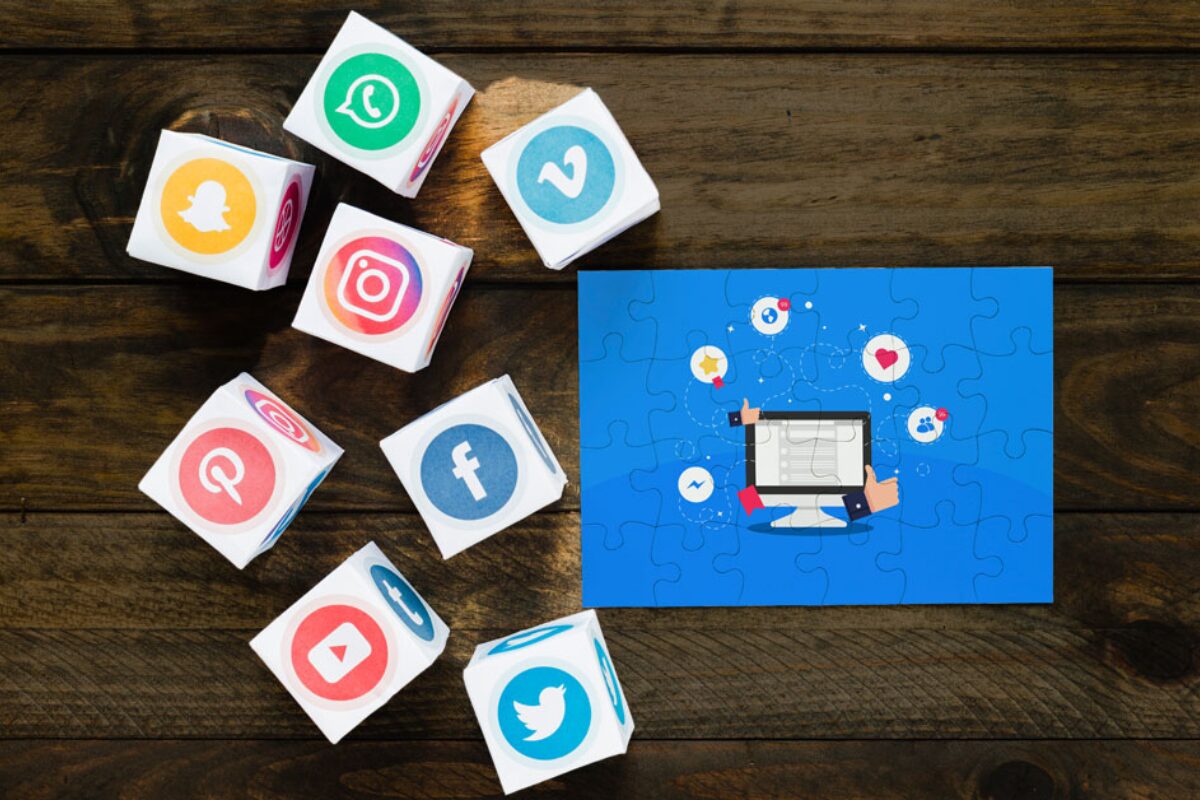
Choosing the most effective budget-friendly marketing channels for small businesses
Your three channels should include:
- One “Search” channel: This is where new people discover your business. Common options include SEO content, organic social media, or participation in online communities.
- One “Direct” channel: This keeps existing customers engaged and encourages repeat business. Email marketing is often the most cost-effective choice.
- One “Social” channel: This leverages trust through referrals, collaborations, or strategic partnerships.
Limiting your channels keeps execution realistic. When each channel has a clear role, your efforts become more focused and productive.
Step 4: Deploy With Limited Resources
Free tools are more than enough in the early stages. What matters most is consistent execution, not complex systems.
To stay effective on a tight budget, focus on the fundamentals:
- Clear priorities: Spend time only on activities that directly support leads, sales, or retention.
- Simple workflows: Processes should be easy to repeat. Complexity slows small teams down.
- Regular review: Weekly or monthly check-ins help you identify what is working and what needs to change.
You don’t need a marketing agency. You need a toolkit:
- Design: Canva (Free version is powerful).
- Writing: Grammarly (To keep your copy professional).
- Scheduling: Buffer (Free for up to 3 social accounts).
- Organization: Trello or Notion to track your tasks.
If an activity does not support leads, sales, or retention, remove it. Tight-budget marketing works best when effort is concentrated on actions that create real impact.
Final Thought
Marketing isn’t about outspending the competition; it’s about out-thinking them. By focusing on these tight budget marketing strategies, you can build a foundation of organic growth that no algorithm change can take away.
At Golden Owl Digital, we work with startups and small businesses that want growth without wasted spend. We understand that not every company can rely on large marketing budgets—and more importantly, that they shouldn’t have to.
If you are looking to:
- Build a marketing strategy that fits your budget
- Improve lead generation without heavy ad spend
- Turn organic traffic into real business results
Golden Owl Digital can help you create a clear, actionable plan—and execute it with confidence.

Jaden is an SEO Specialist at Golden Owl Digital. He helps brands rank higher with technical SEO and content that resonates