

Many people ask if AI is replacing SEO experts, or even ending SEO as a career. Research from SparkToro shows that nearly 60% of Google searches now end without a click, as AI answers and rich results appear directly on the page. Because of this shift, more people are asking a serious question: Should You Start an SEO Career in 2026?
The concern is understandable. When search engines generate answers instantly, it can feel like websites and SEO professionals are becoming less necessary.
In reality, search is still there. The catch is it has evolved into a discipline that blends strategy, data analysis, and user experience. Understanding that shift is the key to deciding whether starting an SEO career in 2026 makes sense for your future.
Key Takeaways
|
What an SEO Career Actually Means in 2026
Before deciding whether to pursue it, it helps to understand what an SEO career really involves today. SEO professionals help businesses become discoverable across modern search ecosystems by improving how information is structured, interpreted, and surfaced by search engines and AI systems.
In practical terms, the role usually includes several core capabilities:
- Technical SEO: Improving site structure, crawlability, indexing, and performance so search engines can understand the website.
- Search intent modeling: Studying what people actually want when they search and aligning content with those needs.
- Entity and topical optimization: Structuring information so search engines recognize brands, products, and topics as credible entities.
- Search ecosystem optimization: Optimizing not only for Google but also for platforms like YouTube, Amazon, and social search environments.
- AI search optimization: Creating content and structured data that can be referenced by AI-generated answers and summaries.
In other words, SEO today sits at the intersection of content strategy, technical infrastructure, and data analysis. People who enjoy understanding how information flows across the internet tend to thrive in this field.
Read more: Conversational Intent Mapping: A Guide to AI SEO 2026
How Much Money Can You Really Make as an SEO in 2026?
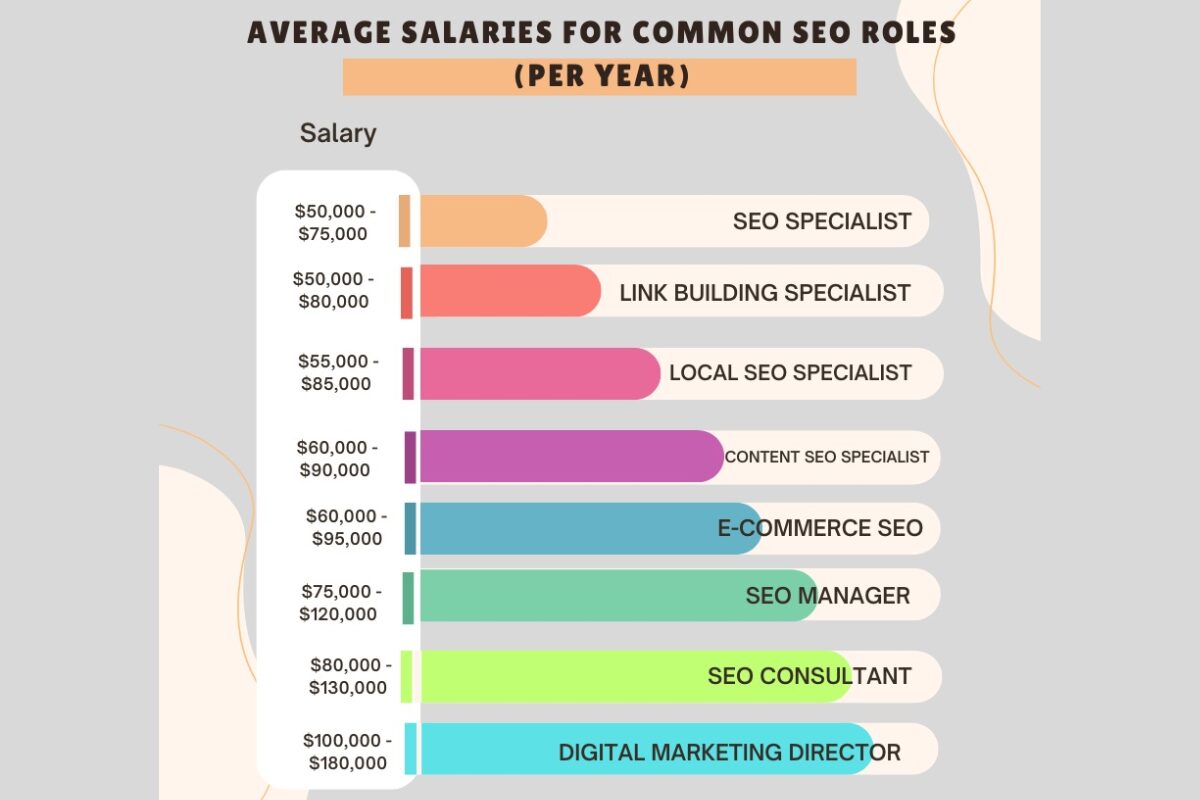
The SEO industry has grown significantly over the last 10 years. According to ZipRecruiter, salaries for SEO professionals now range from $80,000 to $145,000. This wide range shows that experience pays well.
The earning potential usually grows as your responsibilities expand.
| Role Level | Typical Salary Range | Primary Focus |
| Junior / Entry Level | $56,500 – $81,500 | Learning SEO fundamentals, keyword research, on-page optimization |
| Mid-Level Specialist or Manager | $70,000 – $100,000 | Managing strategy, coordinating content, analyzing performance data |
| Director / VP of SEO | $150,000 – $200,000+ | Leading teams, shaping organic growth strategy, connecting SEO to revenue |
Freelancers and consultants often follow a different path. Some charge $150 to $300 per hour, while others build their own niche websites that generate income through affiliates, ads, or digital products.
At Golden Owl Digital, many companies approach us after realizing paid ads alone cannot sustain growth. Once they begin investing in organic search, they need people who understand technical SEO, content strategy, and search data. That is where skilled SEO professionals become valuable inside marketing teams.
Where Can You Work as an SEO in 2026?
An SEO career offers flexibility. Professionals are not stuck in one type of office. There are three main paths to choose from. Each path has unique benefits and challenges.
Agency Life: Variety, Pace, and Burnout Risks
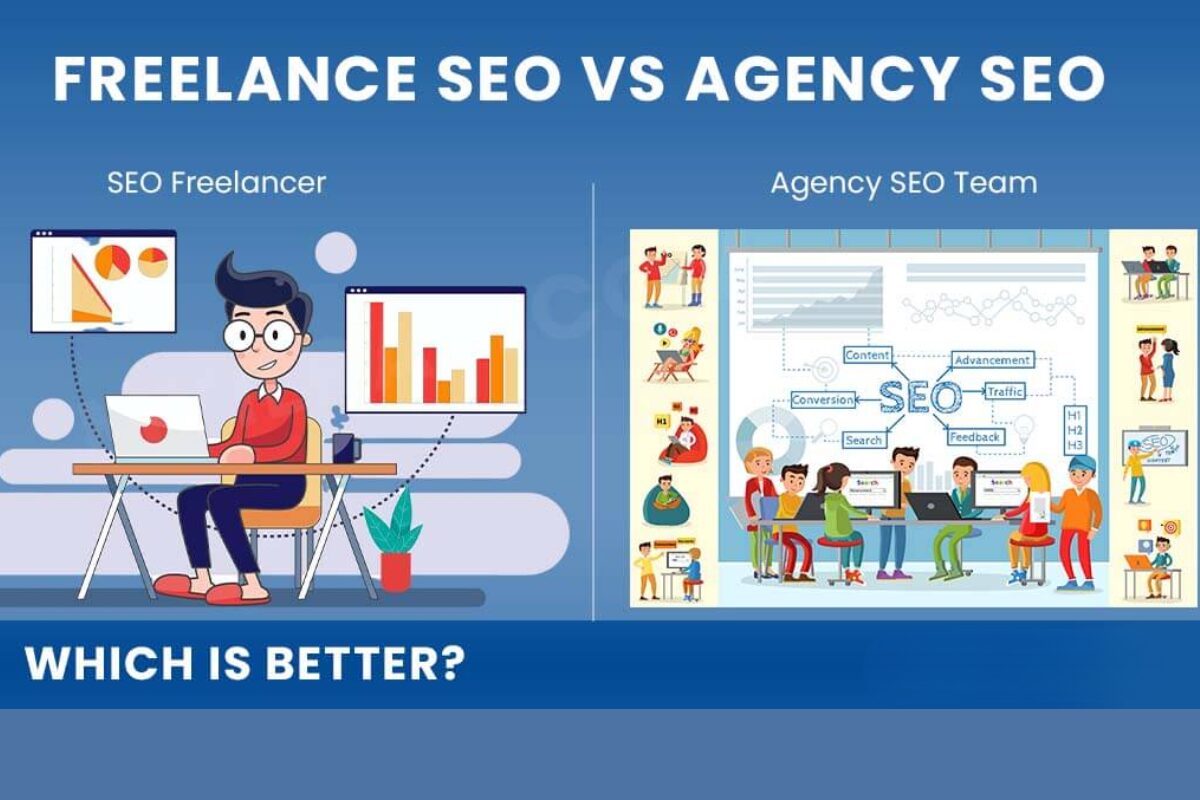
Working at an agency, which can be an outsourcing SEO company, means handling many clients at once. One day might involve a shoe brand, and the next day a law firm.
- Pros: Ideally suited for learning fast. Professionals see many different problems and solutions.
- Cons: The pace is very fast. The workload is heavy. Burnout is a common risk because clients expect quick results.
In-House SEO: Owning One Brand and Playing the Long Game
An in-house role involves working for a single company. The focus is deep, not wide.
- Pros: The work is more stable. There is time to build long-term strategies. The salary often includes good benefits.
- Cons: Things move more slowly. Corporate approvals can take time. Office politics may affect the work.
Freelance, Niche Sites, and Productized Services
Many people choose to work for themselves. They build their own websites or offer specific services. This path offers the most freedom. You can make “SEO money” by owning your traffic and selling your own products or ads.
- Freelancing: Offering services directly to clients.
- Niche Sites: Building websites to earn affiliate income.
- Productized Services: Selling a specific package, like “Technical Audits,” for a fixed price. This path offers freedom but requires self-discipline. Income can fluctuate month to month.
Master These 2 Meta Skills To Survive AI Search
Artificial Intelligence has changed how search engines work. Google is no longer just a list of links. It provides answers directly. To survive, professionals must adapt.
Strategic Content and User Experience
In 2026, ranking a page is not enough. You must design a journey for the user. People want helpful content that answers their questions quickly. You need to think about how a visitor feels when they land on your site.
Data-Driven Decision Making
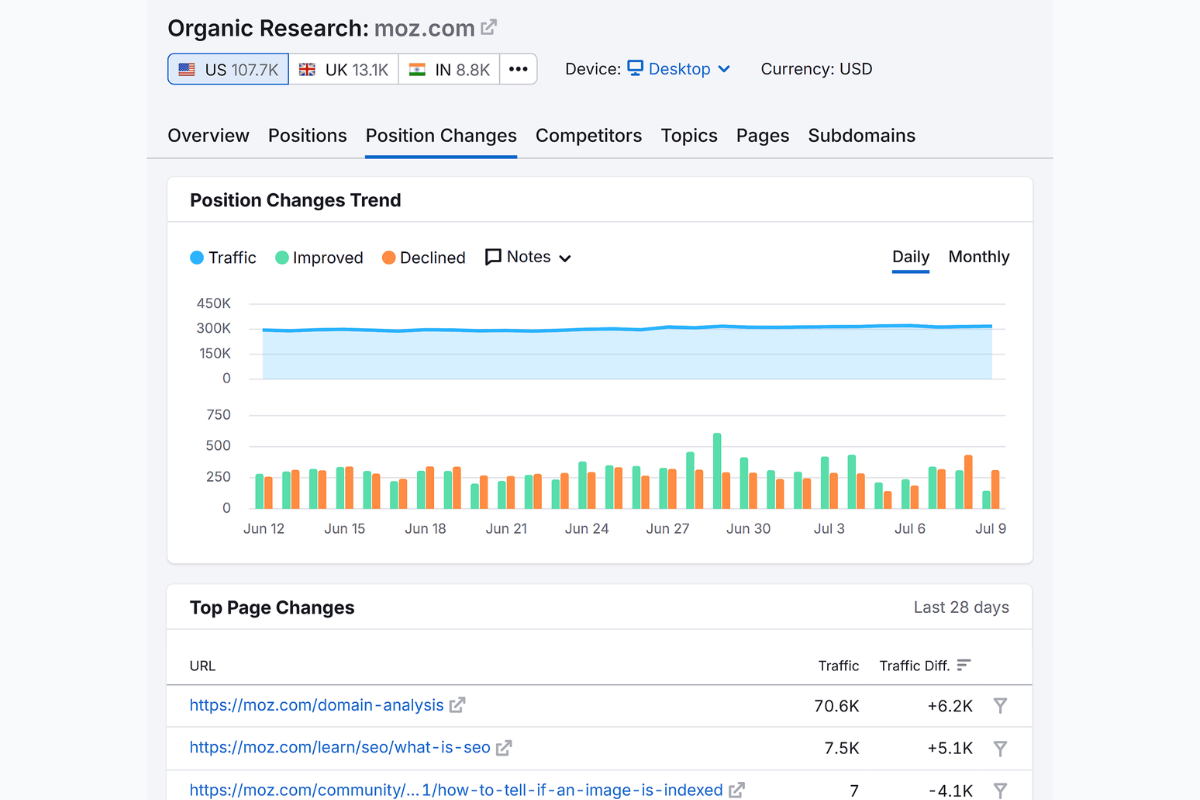
AI now provides many “no-click” answers. This means users get info without clicking a link. To win, you must analyze data to see where you can still add value. You need to make smart choices based on what the numbers tell you.
The Top 5 SEO Skills That Really Matter in 2026
The toolbox of an SEO expert has expanded. Knowing how to change a title tag is basic knowledge. If you decide to start, focus on these five areas to stay ahead of the competition:
GEO / AEO / AI Search Optimization Skills
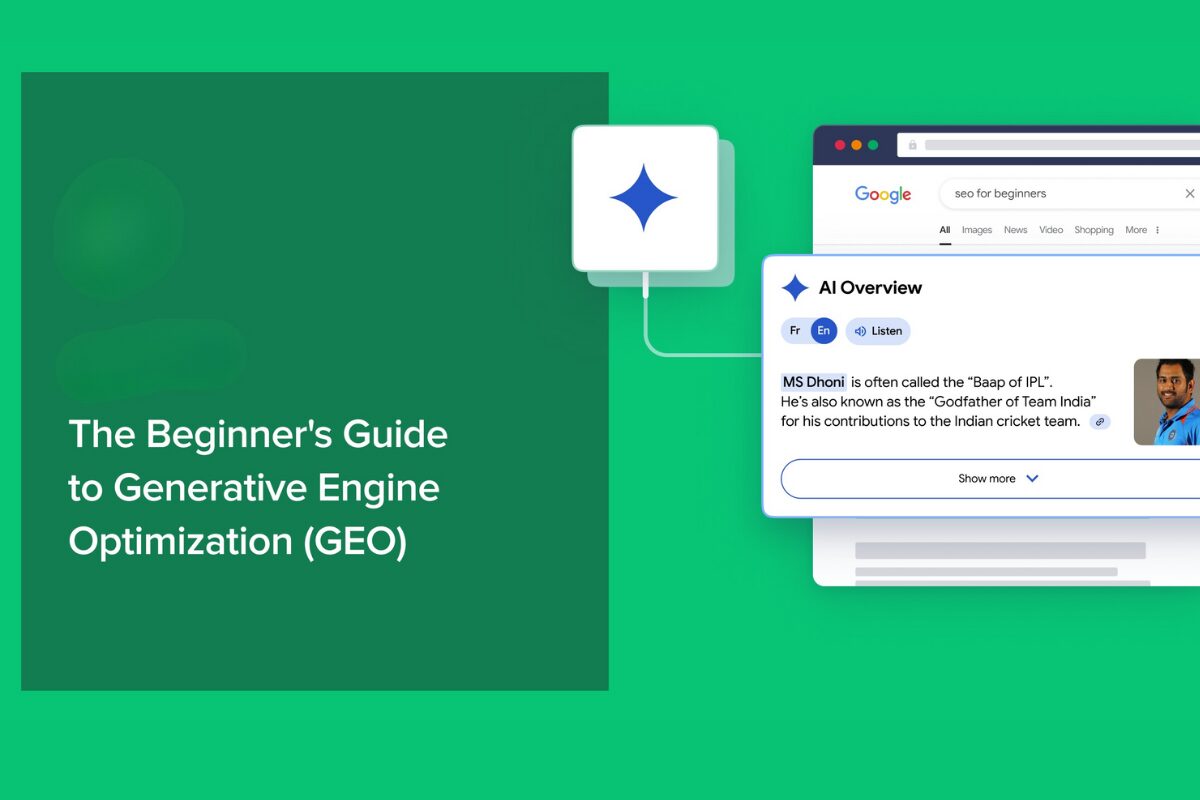
Search is now about Generative Engine Optimization (GEO). You must learn how to make your content the “source of truth” for AI models like Gemini or GPT.
- Focus on structured data and clear facts.
- Use direct answers that AI can easily pull into its summaries.
- Build a strong brand so AI recognizes you as a trusted entity.
Data Analysis & Interpretation
Knowing how to use GA4 and Search Console is just the start. In 2026, you must explain why the numbers matter to your business.
- Use Business Intelligence (BI) tools to combine SEO data with sales goals.
- Learn to find patterns in “no-click” searches to see where your brand still gains value.
- Being able to “tell a story with data” is how you win budget from stakeholders.
One SaaS client we worked with improved organic demo signups by 38% after we combined search data from Google Search Console with product analytics. The biggest improvement came from identifying high-intent queries that competitors ignored, which was done through our comprehensive. SEO Audit.
Broadening Your Skillset: UX, CRO, and Content Design
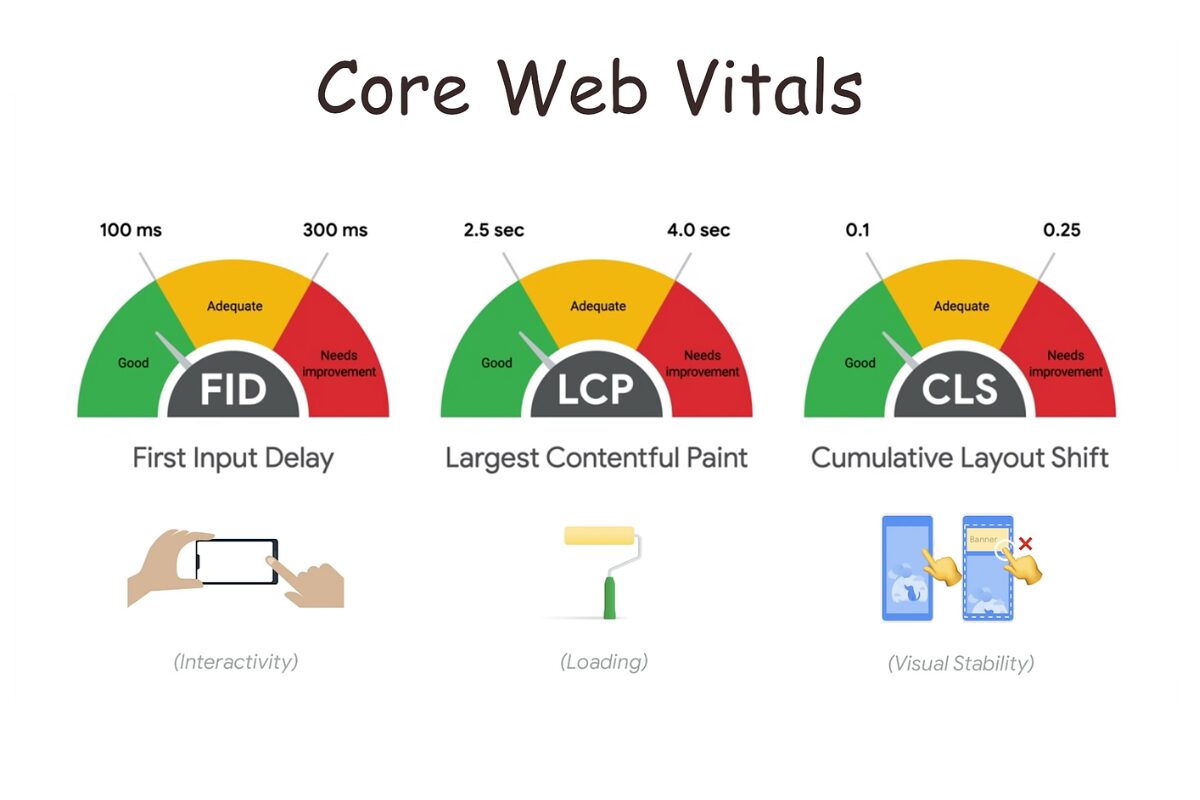
Google now ranks “experiences,” not just pages. If your site is hard to use, your rankings will suffer regardless of your content.
- Master Core Web Vitals to keep your site fast and stable.
- Design content that is easy to read on mobile and voice-activated devices.
- Focus on Information Architecture so both humans and bots can find answers fast.
Stakeholder Communication and Selling SEO Internally
You need to explain SEO to people who don’t understand it. Selling your ideas to bosses or clients is vital.
- SEO takes time.
- Stakeholders want quick results.
- Clearly explaining that SEO is a long-term investment. Professionals must be good at sales. They must sell their ideas to the marketing team and the CEO.
Multichannel & Multimodal Strategies
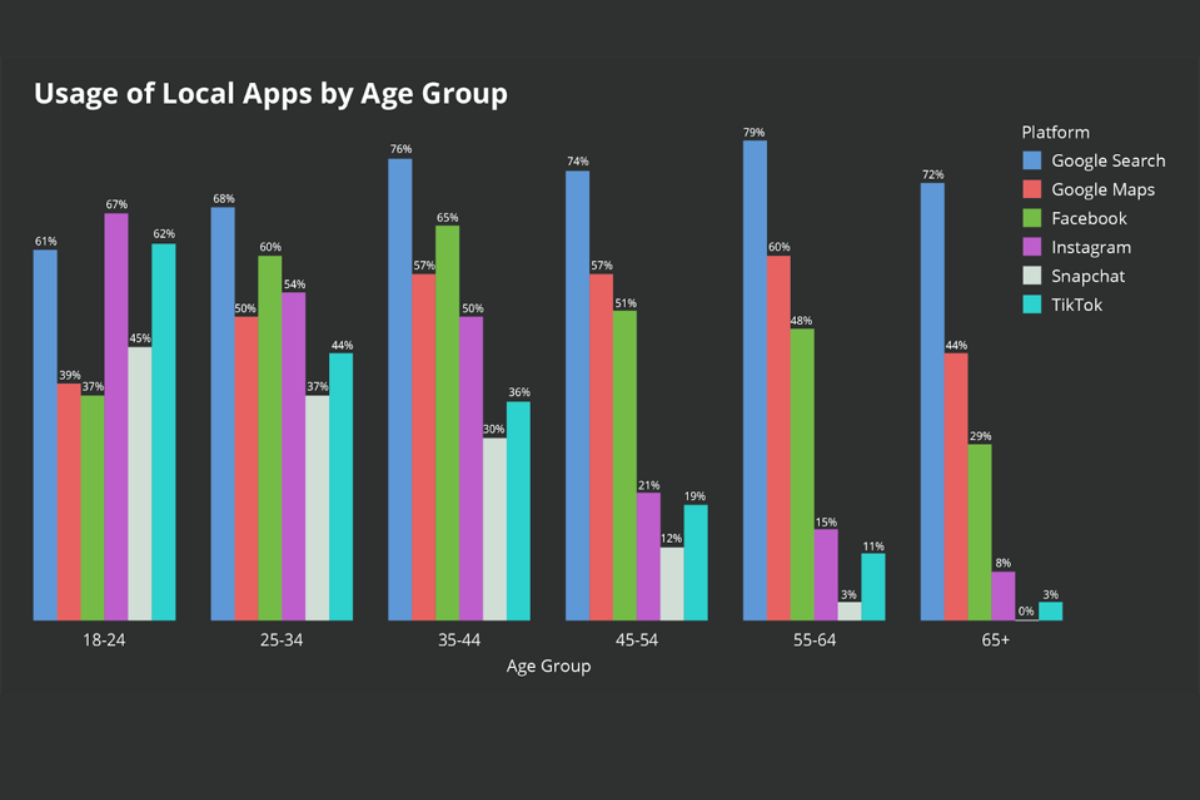
SEO is no longer limited to a search bar. People now search on YouTube, TikTok, and even Amazon.
- Learn to optimize video and images for visual search tools.
- Create a Brand SEO strategy so people look for your name specifically.
- Distribute your content across different platforms to build a wider digital footprint
Read more: Which Social Media is Best for SEO? 6 Best Sites in 2026
If You’re Starting from Zero in 2026: 12–24 Month Roadmap
Starting a new career can feel overwhelming, especially in a field that mixes technology, marketing, and analytics. The key is to treat SEO as a skill built through real experiments, not just courses or theory.
Here is a realistic path many beginners follow when entering the industry.
Months 0–3: Build Your Foundations
The first step is understanding how search engines interpret websites and how users search for information. Theory matters here, but practice matters more.
Focus on these actions:
- Learn how search engines crawl, index, and rank pages.
- Set up a simple website or blog using platforms like WordPress or Webflow.
- Install Google Search Console and Google Analytics to track traffic and impressions.
- Publish 8–10 small articles targeting long-tail keywords to see how search visibility develops.
- Study basic on-page SEO elements like title tags, headings, and internal links.
This stage is about building a sandbox environment where you can test ideas without risk.
Months 4–12: Start Building Real Experience
Once you understand the basics, the next step is applying those skills to real websites and observing what actually changes rankings.
Practical steps during this phase include:
- Perform technical SEO audits on small websites to identify technical and content issues.
- Experiment with internal linking and content updates on your own site.
- Track ranking changes and search impressions using Search Console.
- Learn how to use tools like Ahrefs, SEMrush, Ubbersuggest or Screaming Frog for research and site analysis.
- Complete 2–3 small freelance or volunteer SEO projects to build case studies.
Many professionals say this stage is where SEO finally “clicks,” because you start seeing how small technical or content changes influence visibility.
Months 12–24: Choose Your SEO Specialization
After a year of hands-on work, most people begin to gravitate toward a specific direction within SEO.
Common paths include:
- Technical SEO: focusing on site architecture, crawling, and performance optimization.
- Content and search strategy: planning topic clusters, search intent, and editorial frameworks.
- SEO analytics and growth strategy: connecting search data with revenue and marketing performance.
- Digital visibility strategy: combining SEO with social search, video platforms, and brand discovery.
At this stage you can start applying for mid-level SEO roles, or continue building your own niche projects and consulting services.
So… Should You Start an SEO Career in 2026?
The answer is yes for the right type of person. While AI is changing how search works, it is also creating new opportunities. Businesses are still trying to understand how visibility works in a world of AI answers, social search, and fragmented discovery channels.
Many companies feel uncertain about where organic growth will come from next. That uncertainty creates demand for people who understand how search systems interpret information and how users actually discover brands online.
If you start learning now, you can position yourself as someone who helps organizations navigate that shift. And in a market where digital visibility often determines growth, that expertise continues to be valuable.
Conclusion
So, should you start an SEO career in 2026? For people who enjoy understanding how search systems work, analyzing data, and solving real business problems, the opportunity is still very real.
At Golden Owl Digital, we see every day how much companies rely on organic search to build sustainable growth. As search continues to evolve with AI and new discovery platforms, professionals who understand how visibility works online will remain valuable.