

ChatGPT processes around 2.5 billion prompts daily, but only some are used for search. Users now switch between traditional search engines and AI-driven tools to find information. This shift makes it essential for marketers to optimize for both SEO and generative engine optimization (GEO) to stay competitive.
Looking to improve your visibility on ChatGPT while leveraging it to enhance your SEO results? Learn effective strategies for ChatGPT-focused SEO and explore practical ways to use ChatGPT to support and optimize your SEO workflow. This guide will show you how to use this tool safely and effectively. Read now!
Key Takeaways
|
Can ChatGPT Do SEO?

AI and human experts working together create the best results for SEO
With over 300 million active users, ChatGPT is changing how we work. Many people wonder if they can leave their search engine optimisation to a bot. Since Microsoft’s Bing now uses similar technology for 73% of its search logic, the link between AI and SEO is stronger than ever.
The direct answer is yes. The tool can handle about 80% of tactical tasks. It can write meta tags, generate code, and brainstorm ideas in seconds. However, it cannot do everything. It struggles with high-level strategy, real-time data analysis, and building relationships for backlinks.
What ChatGPT Can (and Can’t) Do for SEO
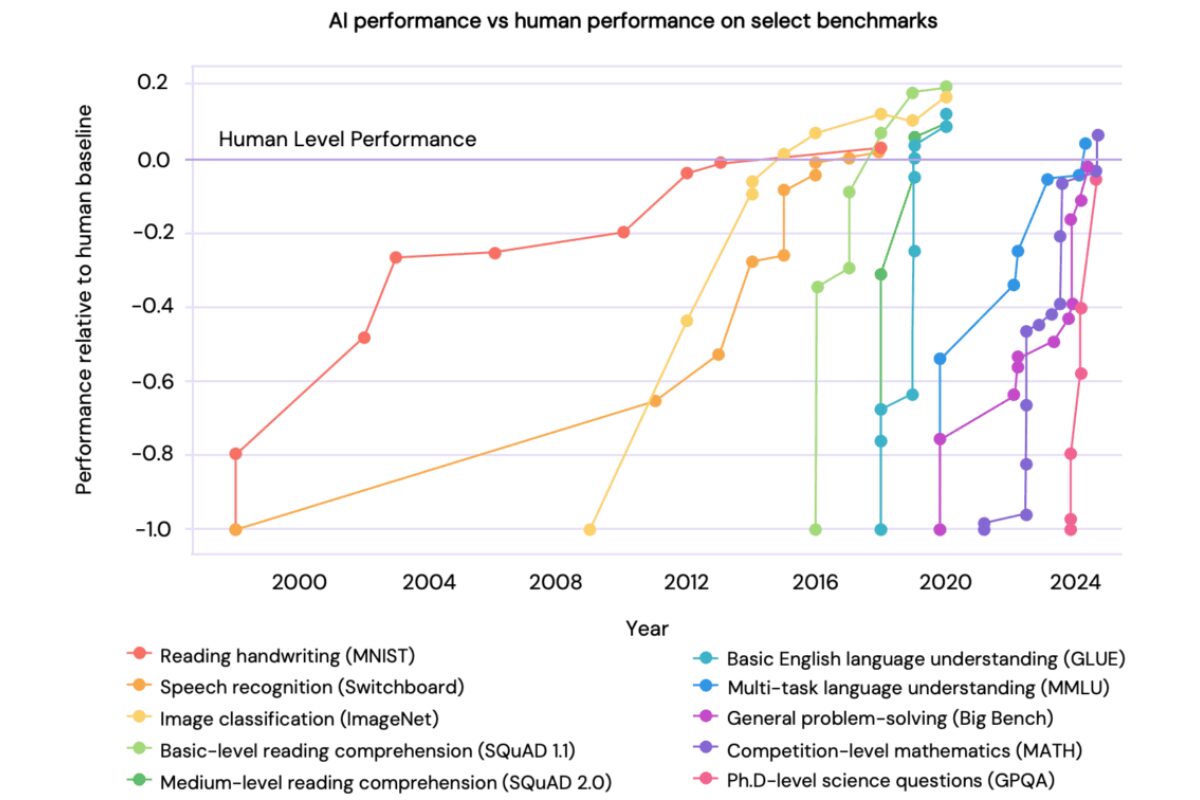
The chart shows that AI excels at speed while humans excel at strategy and accuracy
ChatGPT is like a very fast intern. It is great at following instructions, but sometimes makes mistakes. You need to know its limits before you trust it with your website.
The Pros: Speed and Creativity
The biggest advantage is speed. A human might take an hour to brainstorm ten blog topics. The AI takes ten seconds.
- Idea Generation: It can give you 50 blog post ideas in seconds.
- Drafting: It writes fast introductions and meta descriptions.
- Technical Help: It can write code for things like schema markup or robots.txt files.
The Cons: Mistakes and Lack of Trust
The tool has serious flaws.
- Hallucinations: The AI often makes things up. It might invent a statistic or a quote that does not exist.
- Outdated Data: The core model has a knowledge cutoff. It does not know today’s search volume or trending news without browsing plugins.
- Lack of E-E-A-T: Google values Experience, Expertise, Authoritativeness, and Trustworthiness. The AI has no life experience. It cannot taste food or test a car.
Comparison Table: ChatGPT vs. Humans vs. SEO Tools
Here is how the chatbot compares to a human expert and a data tool like Semrush.
| Feature | ChatGPT | Human Expert | SEO Tool (Semrush/Ahrefs) |
| Creativity | High | High | Low |
| Accuracy | Low (Hallucinates) | High | High (Data-based) |
| Strategy | Low | High | Low |
| Data/Metrics | None (w/o plugins) | Moderate | High |
| Cost | Low ($20/mo) | High | Moderate |
7 Proven Ways to Use ChatGPT for SEO
Using ChatGPT effectively is all about asking the right questions. Here is how you can use it to speed up your SEO workflow today:
1. Keyword Research (Clusters and Intent)
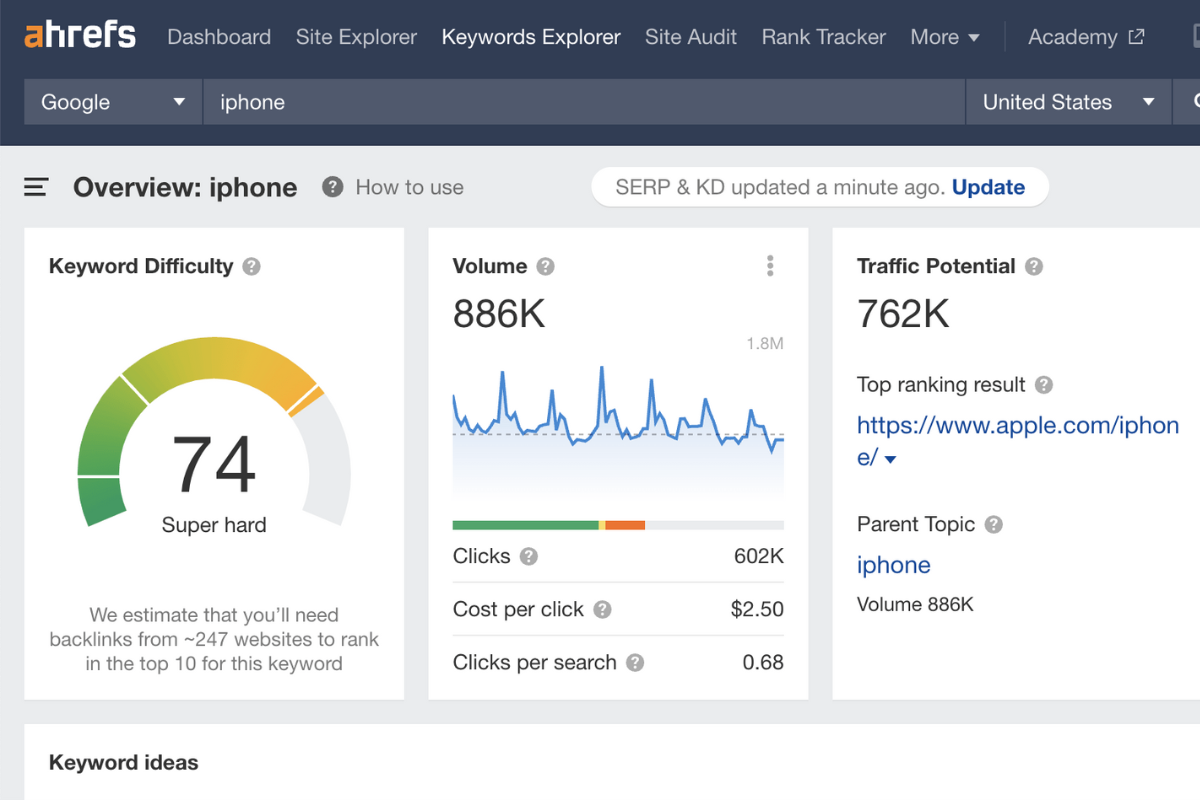
Grouping keywords in Ahrefs helps search engines better understand your content depth
ChatGPT is not a keyword volume tool. It cannot tell you how many people search for “best running shoes” per month. You still need Ahrefs or Semrush for that data.
However, the AI is a master of semantics. It understands how words relate to each other. It excels at grouping keywords and identifying “Search Intent” (what the user wants).
- The Strategy: Dump your raw keyword list into the chat. Ask the AI to organize the list into “Topic Clusters.” A cluster is a group of related keywords that should be covered in a single article.
- Example Prompt: “I have a list of 50 keywords about ‘organic skincare.’ Please group them into 5 clusters based on user intent. Tell me the likely Search Intent (Informational, Transactional, or Commercial) for each cluster. Present the data in a table.”
- Why It Works: Google ranks pages that cover a topic completely. Organizing keywords into clusters helps you build a comprehensive “Topic Map.”
2. Content Outlines and Briefs
Can ChatGPT do SEO outlines? Yes, and it is one of the best use cases. The AI analyzes the top-ranking patterns (based on its training data) and suggests a logical structure. It organizes the headings (H2, H3) to flow naturally.
- The Strategy: Do not ask for a full article yet. Ask for a detailed brief. A brief acts as a skeleton for the content.
- Example Prompt: “Create a detailed blog post outline for the keyword ‘How to clean white sneakers’. Include a catchy H1. Include H2s and H3s that cover common user questions. Add a bullet point list of what should be discussed under each heading.”
- Why It Works: A strong outline prevents you from missing key points. It guarantees that the article covers the “Who, What, Where, When, and How” before you write a single paragraph.
3. Writing Intros, FAQs, and Meta Tags
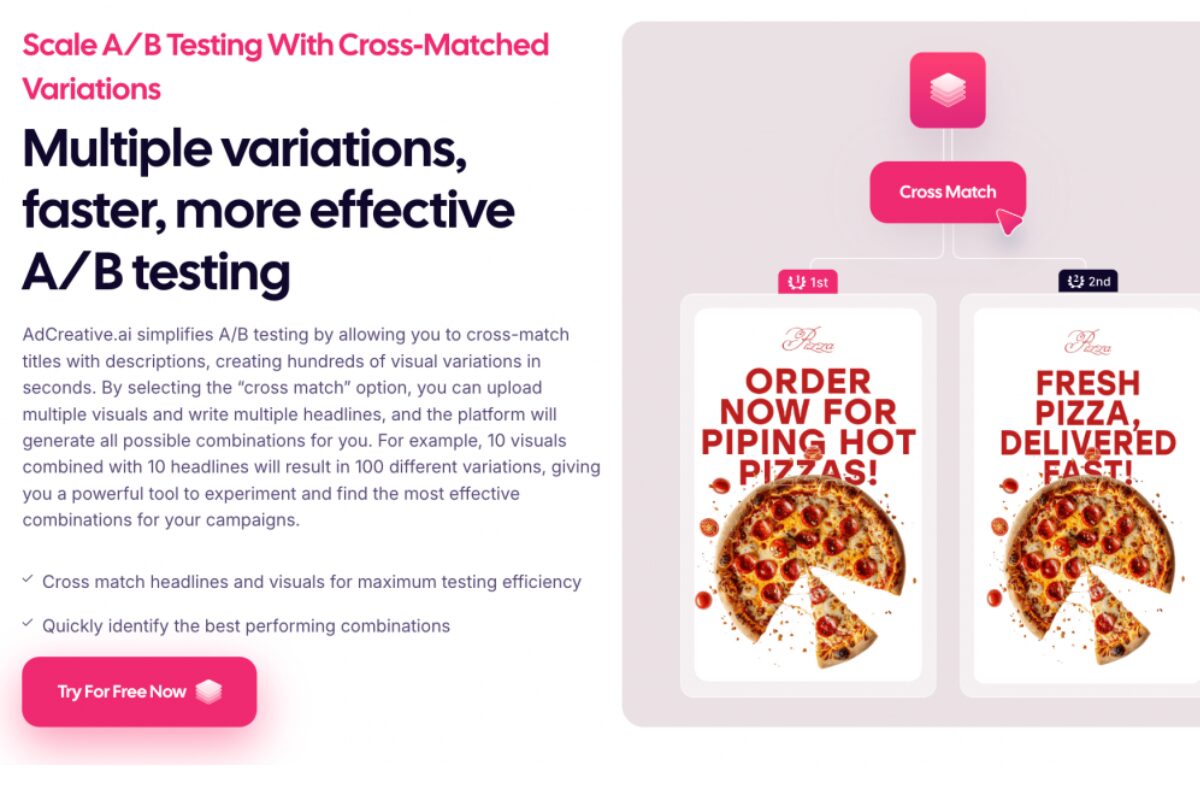
Generating multiple variations allows you to pick the most engaging text for your audience
Using AI to write a 2,000-word article from scratch is a mistake. The result usually sounds robotic and repetitive. Google might identify it as “spammy auto-generated content.”
Instead, use the tool to write components of the article. It is excellent at writing short, punchy sections.
- The Strategy: Treat the AI like a junior writing assistant. Assign it small tasks.
- Example Prompt:
- For Intros: “Write three different introductions for a blog post about ‘Vegan Diet Benefits’. Make the first one funny, the second one scientific, and the third one controversial.”
- For FAQs: “Generate 5 Frequently Asked Questions related to ‘Digital Marketing in 2025’. Provide short, 50-word answers for each.”
- For Meta Tags: “Write a compelling Meta Title (under 60 chars) and Meta Description (under 160 chars) for a page selling ‘Organic Dog Food’. Include a call to action.”
- Why It Works: Writing these small sections consumes mental energy. Offloading the task speeds up the process. You can then spend your time polishing the main body of the text.
4. Optimization: Gaps and Snippets
You might have an old article that is not ranking, or the content might be stale or hard to read. AI can analyze the text and suggest improvements.
- The Strategy: Paste your content into the chat. Ask the AI to act as a harsh editor.
- Example Prompt: “Rewrite the following paragraph to define ‘What is a Backlink?’. Keep it under 50 words. Start the sentence with ‘A backlink is…’. Make it simple enough for a 5th grader to understand.”
- Why It Works: Google loves “Featured Snippets” (the answer box at the top of the search). These snippets usually require clear, concise definitions. The AI is perfect at summarizing complex ideas into simple text.
5. Technical SEO: Schema and Robots.txt
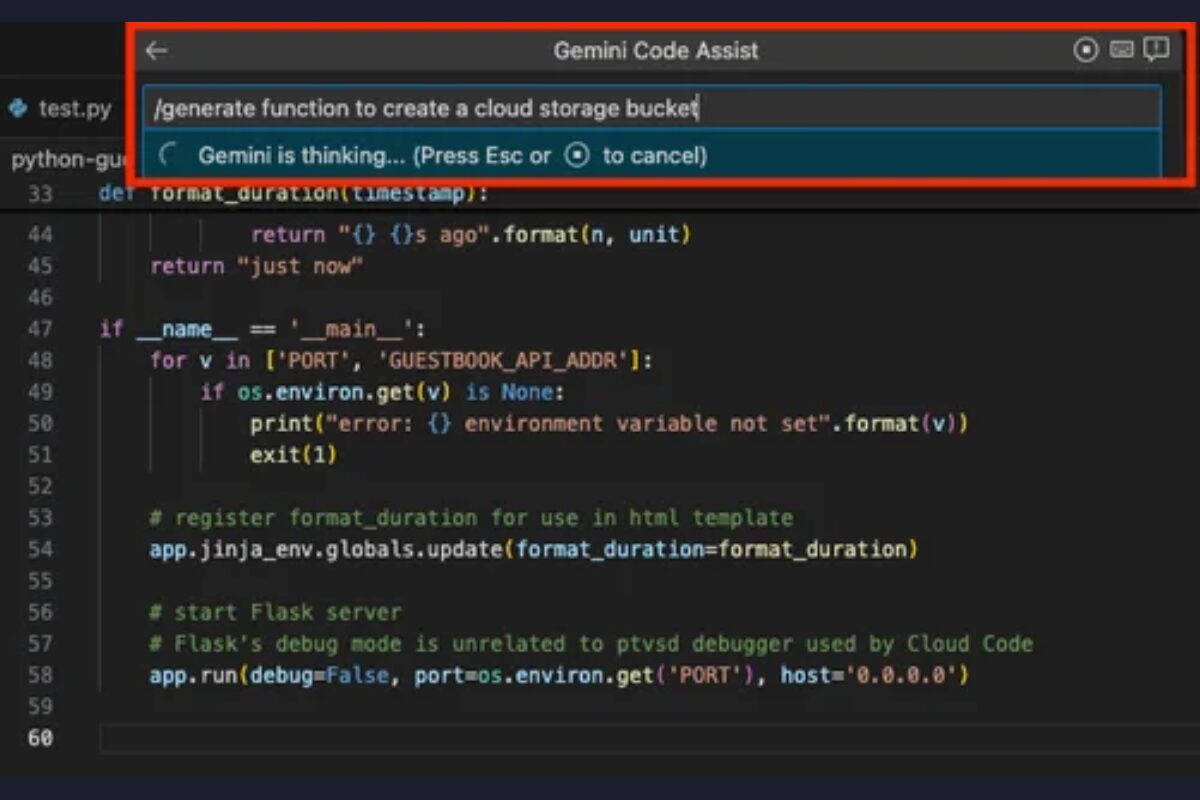
AI generates clean code for technical tasks, saving hours of manual programming
Many marketers are afraid of code because they do not want to break their website. ChatGPT can write code snippets like Schema Markup (JSON-LD), Hreflang tags, and Robots.txt rules. It rarely makes syntax errors with simple code.
- The Strategy: Describe exactly what you need. Be specific about the URL and the type of data.
- Example Prompt: “Generate FAQ Schema markup code (JSON-LD) for the following three questions and answers: [Insert Q&A]. Validate the code format.”
- Why It Works: Schema markup helps Google understand your page better. It can give you stars, prices, or images in the search results. Writing this code by hand is slow; the AI does it instantly.
6. Link Building: Outreach and HARO
You cannot ask ChatGPT to “build links” because it cannot email people for you. However, AI can help you start the conversation.
- The Strategy: Use the tool to write personalized templates.
- Example Prompt: “I need to pitch a guest post to a marketing blog. Write a short, persuasive email. Subject line should be catchy. The body should mention I enjoyed their recent post about ‘Social Media Trends’. propose three topic ideas for a guest post.”
HARO (Help A Reporter Out) Pitch: Journalists often ask for quotes.
- Example Prompt: “Write a pitch to a journalist looking for quotes about ‘Remote Work’. My stance is that remote work increases productivity. Keep the pitch under 150 words. Be professional and concise.”
- Why It Works: The hardest part of outreach is the “fear of the blank page.” Having a template allows you to send more emails in less time.
7. YouTube and Visual Descriptions
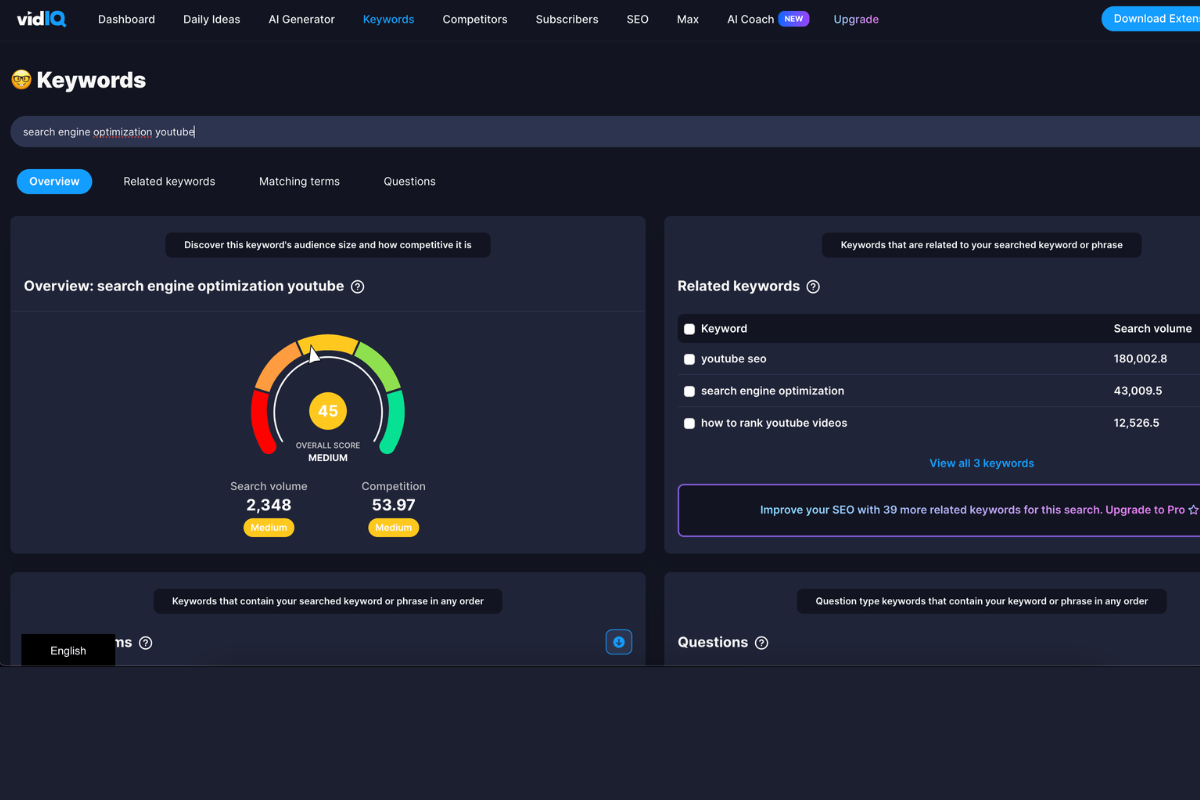
Optimizing video titles and descriptions helps your content rank on YouTube
SEO is not just for Google. It applies to YouTube and image search, too.
- The Strategy: YouTube algorithms look at the title, the description, and the tags.
- Example Prompt: “I have a video transcript here: [Paste Transcript]. Write a click-worthy YouTube Title. Write a 200-word description that includes the keywords ‘SEO for beginners’ and ‘Marketing tips’. Generate 5 hashtags.”
- Why It Works: The hardest part of outreach is the “fear of the blank page.” Having a template allows you to send more emails in less time.
Conclusion
Can ChatGPT do SEO? The answer is a clear yes, as long as you are the pilot. It acts as a tireless assistant that researches, drafts, and codes. However, it is a co-pilot. It requires a human expert to steer the strategy, verify the facts, and add the human touch that connects with readers.
As we move into 2026, using AI wisely will be a key skill. You must balance the speed of technology with the trust of human experience. This is how you win in the long run.
At Golden Owl Digital, we combine the best of both worlds. We use advanced tools to work fast, but we always prioritize the human connection that searchers crave. Start using these AI prompts today and watch your productivity grow!

Jaden is an SEO Specialist at Golden Owl Digital. He helps brands rank higher with technical SEO and content that resonates