
If you’ve worked on digital marketing long enough, you’ve probably faced a dilemma: The more crowded advertising becomes, the less people trust your brand claims.
Research from BrightLocal shows that 97% of consumers read online reviews before making a purchase, and nearly half say they trust those reviews as much as personal recommendations. In other words, buyers often trust other customers long before they trust the brand itself.
This is exactly why advertisers rely on testimonials. When real customers describe their experience, the message feels grounded in reality rather than marketing language.
So why do advertisers use testimonials in their campaigns? Because authentic customer voices help reduce skepticism, build trust faster, and move potential buyers closer to a decision.
Key Takeaways
|
What Is Testimonial Advertising?
Testimonial advertising is a marketing strategy where brands use real customer feedback, experiences, or success stories to promote their products or services. Customer testimonials replace brand-led claims with real user experiences, which makes campaigns more credible and easier for buyers to trust.
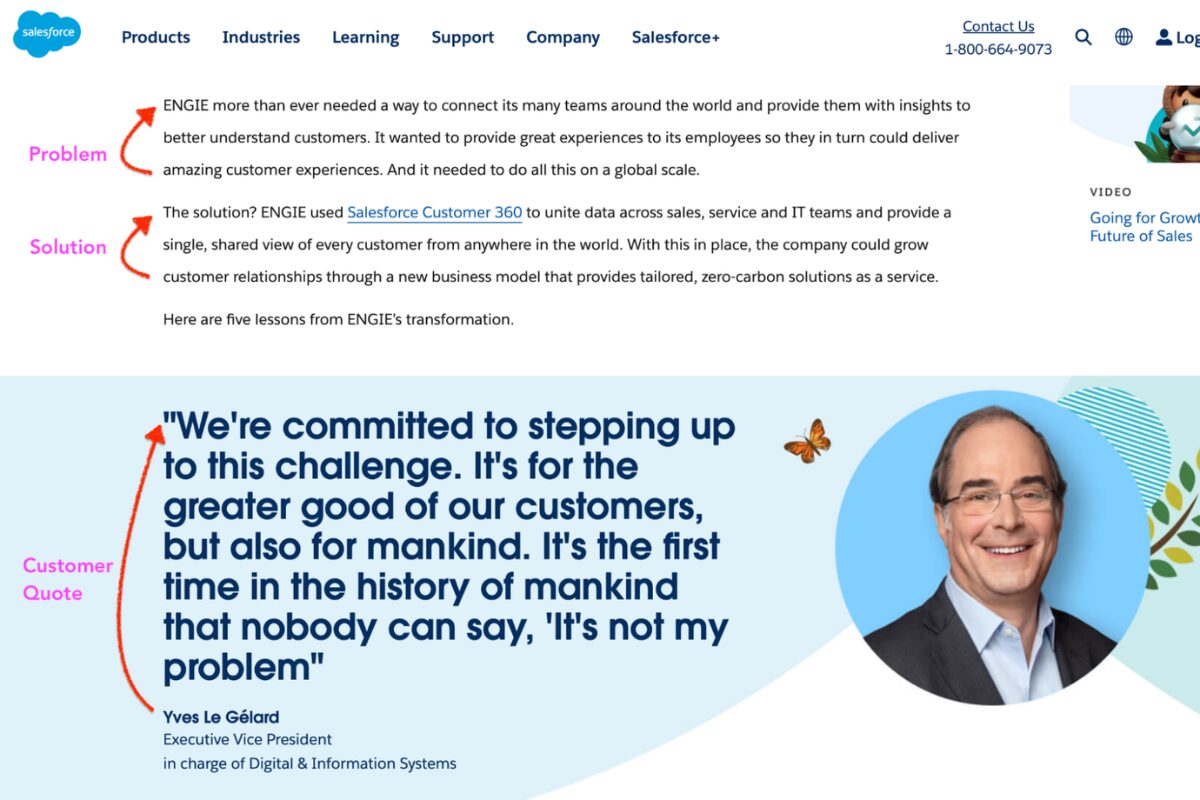
Testimonials can appear in many forms:
- Quote testimonials
- Video testimonials
- Peer testimonials (user-generated content or UGC)
- Authority testimonials (expert endorsements)
- Performance testimonials
For example:
“After partnering with this software team, our app launch timeline was reduced by 40%, and development costs stayed within budget.”
This kind of message feels different from a typical advertisement. It sounds human and grounded in real experience.
That difference is exactly why advertisers continue to use testimonials across campaigns.
Why Do Advertisers Use Testimonials? 7 Key Reasons

Here are seven reasons why advertisers use testimonials to strengthen campaigns and influence buying decisions.
1. Social Proof Builds Instant Trust
When people see others using and approving a product, they feel safer choosing it. This principle is known as social proof, a concept from behavioral psychology where individuals look to others when making uncertain decisions.
Social proof plays a significant role in advertising because buyers rarely evaluate brands in isolation. Instead, they look for signals that others have already tested the product.
Think about everyday decision-making:
- Checking reviews before booking a hotel
- Reading comments before buying online
- Looking for testimonials before hiring a service provider
These behaviors reflect a simple question every buyer asks:
Has this worked for someone like me?
Testimonials help answer that question quickly.
In many campaigns we analyze at Golden Owl Digital, trust signals like testimonials reduce hesitation early in the decision process. Instead of explaining credibility through long marketing messages, advertisers let real customers demonstrate it.
2. Boosts Conversions
Another reason advertisers use testimonials is straightforward: they often improve campaign performance.
Multiple conversion optimization studies have shown that landing pages with customer testimonials frequently outperform those without them. Some reports estimate improvements such as:
- Click-through rate increases of around 17%
- Conversion improvements of up to 30% in certain tests
The exact results vary by industry, but the underlying pattern appears often.
When users see proof that others achieved results, uncertainty decreases. That confidence makes it easier for them to click, sign up, or request more information.
Consider the difference between two ad messages:
“We help companies grow.”
Versus:
“Helped 120+ SaaS startups increase MRR by 32%.”
The second message contains evidence. That small shift often changes how buyers interpret the claim.
In many campaigns, testimonials work because they transform interest into something closer to belief.
3. Humanizes the Brand and Increases Relatability
People connect with people more easily than with companies.
Testimonials bring real faces, voices, and experiences into advertising. They show that behind the product or service are real users solving real problems.
This tends to matter most in:
- B2B services
- SaaS platforms
- High-investment solutions

For example:
“As a startup founder, I struggled with scaling our development team. After partnering with Golden Owl Digital, we delivered our MVP two months faster than planned.”
Messages like this provide context.
They show the situation, the challenge, and the outcome. That story helps potential buyers imagine how the solution might work for them.
Over time, we’ve seen that the most persuasive testimonials rarely focus on praise. They describe a real problem and a measurable improvement.
That kind of narrative makes brands feel more approachable and credible.
4. Overcomes Common Objections
Every buyer enters the decision process with a few doubts.
Typical concerns include:
- Is this worth the investment?
- Will it work for my situation?
- Can I trust this company?
Testimonials help address those questions indirectly.
Instead of the brand defending itself, customers explain how the product solved their problem.
For example:
- Price objection → testimonial mentions ROI or cost savings
- Trust objection → testimonial references a long-term partnership
- Risk objection → testimonial describes a smooth onboarding process
In landing page audits, we often see companies trying to answer objections with more marketing copy. In practice, a short testimonial addressing the same concern can be more convincing.
That’s why testimonials are frequently placed close to calls-to-action, where buyers are evaluating risk before committing.
5. Targets Specific Demographics More Effectively
Not all customers respond to the same message.
A testimonial from a startup founder speaks directly to startup audiences. A testimonial from an enterprise CTO resonates more with enterprise buyers.
Advertisers often use testimonials as a natural way to segment audiences.
Examples include:
- Google Ads targeting small businesses → testimonials from small business owners
- LinkedIn campaigns aimed at executives → testimonials from decision-makers
- Ecommerce campaigns → testimonials from first-time buyers
This improves message relevance, which can lead to:
- Higher engagement
- Better ad relevance signals
- Lower bounce rates on landing pages
In practice, testimonials often work like mirrors. People pay more attention when they see someone with a similar role, company size, or challenge.
6. Lowers Ad Costs Through Better Quality Scores
Testimonials can also influence advertising efficiency, especially in paid campaigns.
Platforms such as Google Ads evaluate performance signals like:
- Click-through rate
- Landing page relevance
- User engagement
Stronger engagement can contribute to better Quality Scores, which sometimes leads to lower cost-per-click and better ad placement.
Testimonials help support these signals by improving:
- Ad relevance
- Landing page experience
- Trust during the evaluation phase
In several paid campaign audits we’ve reviewed, ads that reference customer trust or adoption tend to attract more clicks than purely feature-driven headlines.
Advertisers often use testimonials not just to increase trust, but to improve overall campaign efficiency.
7. Creates Momentum and Urgency
Another psychological factor at play is the Fear of Missing Out (FOMO).
When people see others adopting a product or achieving results, it creates a sense that something valuable is happening.
Advertisers sometimes use testimonials to create this momentum through elements like:
- Real-time “just purchased” notifications
- Customer quotes highlighting quick results
- Success stories tied to limited-time opportunities
For example:
“We onboarded this platform while competitors were still building internal teams. That decision helped us launch months earlier.”
Messages like this don’t directly pressure the reader to act. Instead, they suggest that others are already moving forward.
For buyers who are still deciding, that signal can provide the final nudge toward action.
Real-World Examples of Testimonial Ads That Convert
The most effective examples show a clear situation, a problem, and a result. When readers can see the context behind the outcome, the message feels more believable.
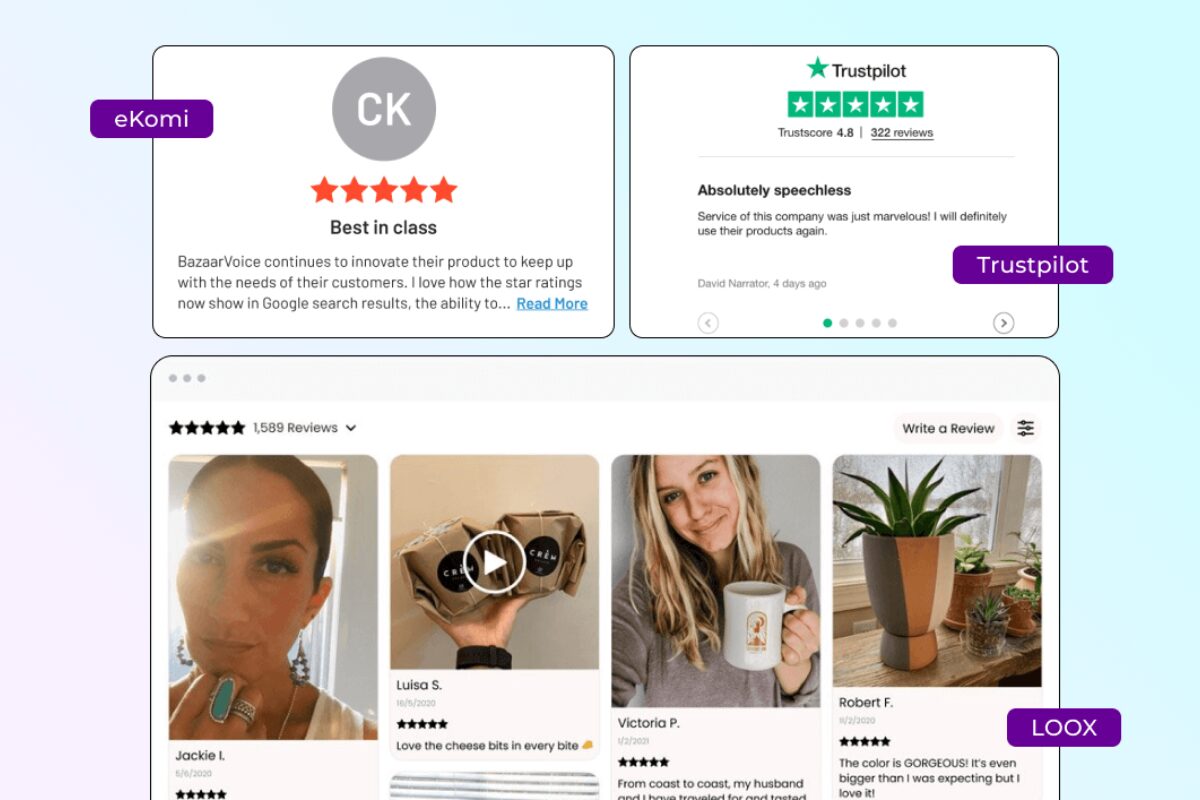
These testimonial advertising examples show how well-known companies structure customer feedback into practical trust signals, often supported by visual elements such as screenshots or testimonial cards.
Shopify: Merchant Stories Used as Conversion Drivers
Shopify rarely relies on generic claims like “the best eCommerce platform”. Instead, it highlights real merchant testimonials across its landing pages, paid ads, and case study sections.
Most Shopify testimonials include:
- The merchant’s brand name and industry
- A short, clear quote about growth or efficiency
- Specific results, such as revenue increase or time saved
For example, Shopify often features merchants who explain how they scaled from a few orders per week to thousands per month after switching platforms. These testimonials are usually paired with:
- A real photo of the merchant or storefront
- A headline summarizing the outcome
- A link to a full case study
When these testimonials appear as screenshots or testimonial cards, visitors can immediately see that real businesses are using the platform.
In many B2B environments, attaching a real company name and context to a testimonial dramatically increases credibility.

Slack: Short Testimonials Focused on Everyday Use
Slack uses testimonials differently. Instead of highlighting dramatic growth stories, the platform focuses on everyday productivity improvements.
In Slack’s ads and product pages, testimonials often mention:
- Faster team communication
- Fewer internal emails
- Better collaboration across departments
A typical Slack testimonial includes:
- A specific team size or role
- A simple workflow improvement
- A direct quote from a manager or team lead
This approach works because Slack’s audience is not always looking for transformation stories. Most teams simply want reassurance that the tool will fit naturally into their daily routines.
Embedding short quotes or testimonial snippets helps these messages feel practical and authentic rather than promotional.

Airbnb: Trust-Building Testimonials Through Real Hosts
Airbnb operates in a high-trust environment, which makes testimonials especially important.
Instead of focusing only on guest experiences, Airbnb frequently highlights host testimonials that address common concerns about safety, income, and support.
These testimonials often highlight:
- Additional income opportunities
- Positive hosting experiences
- Responsive customer support
Airbnb presents these stories with:
- Real host names
- Photos of the hosts and their homes
- Short narratives explaining how hosting fits into everyday life
Visual testimonial cards work particularly well in this context because they reinforce that real people are successfully using the platform.
For new hosts evaluating the opportunity, that type of proof helps reduce hesitation.

How Testimonials Improve Google Ads and Campaign Performance
The impact of testimonials becomes especially visible in paid campaigns. In these environments, trust signals can directly influence click-through rates, landing page engagement, and conversion behavior.
When users compare several ads offering similar services, credibility often becomes the deciding factor.
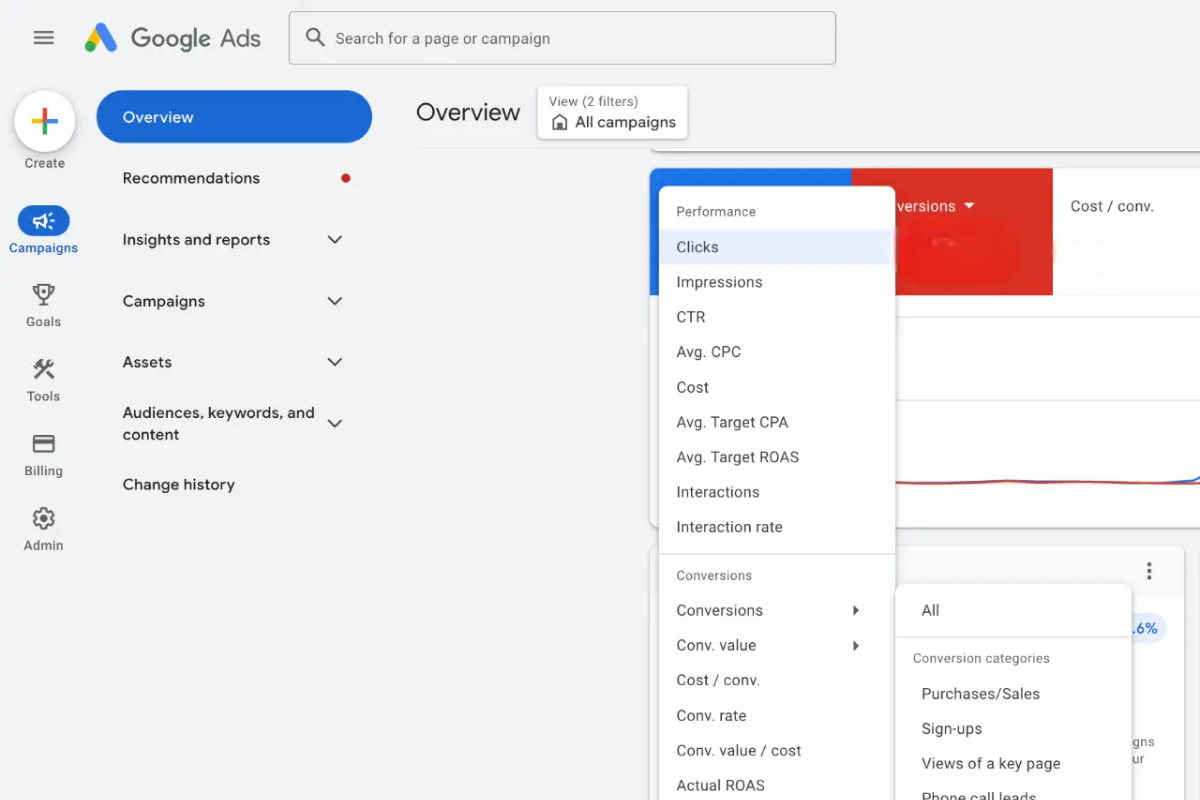
1. Higher Click-Through Rates
Search results move quickly. Most users scan the page and choose the option that feels most reliable within a few seconds.
While Google Ads does not allow full testimonial quotes inside ad headlines, advertisers can still introduce social proof through indirect messaging.
Common approaches include:
- Highlighting review counts
- Mentioning the number of customers served
- Referencing ratings or satisfaction levels
For example:
A standard ad headline might say:
“Custom Software Development Services”
A testimonial-influenced version might say:
“Trusted by 200+ Businesses for Custom Software Development”
That small adjustment adds context and credibility.
In several paid search audits we’ve reviewed, ads that reference customer adoption or trust signals often attract more clicks than ads focused only on product features.
2. Better Landing Page Performance
The real influence of testimonials appears after a user clicks the ad.
If the ad implies credibility but the landing page provides no supporting evidence, users often leave quickly.
That is why testimonial placement on landing pages matters.
High-performing pages frequently place testimonials:
- Near the top of the page, right after the headline
- Close to pricing sections
- Right before call-to-action buttons
When testimonial messaging reinforces the same message used in the ad, users experience consistency.
This often improves:
- Time on page
- Engagement
- Conversion rate
During landing page reviews, we frequently notice that adding even a small number of well-placed testimonials can reduce hesitation at key decision points.
3. Stronger Remarketing Impact
Testimonials are particularly effective in remarketing campaigns.
At this stage, users are already familiar with the brand. They usually do not need more explanations. What they often need is reassurance.
Testimonials work well in Google Display and YouTube remarketing because they:
- Reinforce trust
- Reduce perceived risk
- Remind users that others have already chosen the brand
For example, a remarketing ad might feature a client quote such as:
“Working with this team helped us launch two months ahead of schedule.”
Compared to another promotional message, a short testimonial like this can feel more grounded and relevant.
In many remarketing campaigns, testimonials function as the final piece of reassurance that moves a user toward conversion.
Best Practices for Using Testimonials
Getting great testimonials requires a systematic, proactive strategy for collecting, displaying, and maintaining compliance.
Collect Testimonials Effectively
The quality of a testimonial often depends on when and how it is requested.
Many companies wait for customers to volunteer testimonials. In reality, the best feedback usually appears right after a positive milestone.
Common moments to ask include:
- A successful project delivery
- A measurable business result
- Positive feedback shared through email or a call
At that point, customers remember details clearly and are usually more open to sharing their experience.
To improve response rates, some companies offer small, ethical incentives. These are not payments for fake reviews, but simple value exchanges such as:
- Early access to new features
- Discounts on future services
- Public recognition or featured placement
These incentives encourage participation while keeping the feedback authentic.
In terms of tools, simple systems tend to work best.
Common options include:
- Email follow-ups with short testimonial prompts
- Google Forms or Typeform for structured responses
- Review platforms that collect verified feedback
- Short recorded interviews later turned into written or video testimonials
In many cases, a short interview produces the most useful testimonials because customers naturally explain the context behind their results.
Display Testimonials Strategically
Where testimonials appear often matters just as much as what they say.
High-performing placements commonly include:
- Landing pages used in paid advertising
- Pricing and proposal pages
- Remarketing assets
- Email nurture campaigns
Testimonials placed near decision points tend to influence conversions the most.
Different platforms also benefit from different testimonial formats:
| Format | Where It Works Best |
| Short quotes | Search ads and landing pages |
| Video testimonials | YouTube and social campaigns |
| Case studies | B2B services and high-investment solutions |
On landing pages, testimonials should generally be:
- Easy to scan
- Placed near relevant calls-to-action
- Matched to the visitor’s intent
For example, a testimonial describing ROI or revenue growth works well near pricing sections, while a testimonial about smooth onboarding often fits better near signup or demo forms.
Consistency matters here. When testimonial messaging supports the promise made in the ad, the page feels more credible.
Legal and Authenticity Considerations
Trust can take a long time to build and disappear quickly.
To maintain credibility, advertisers should follow a few basic practices:
- Use testimonials from real customers only
- Obtain permission before publishing names, logos, or photos
- Avoid exaggerated or unverified claims
- Ensure testimonials reflect genuine experiences
Regulated industries such as finance, healthcare, or legal services may require additional compliance checks. In those cases, any claims related to performance or financial outcomes should be clearly supported.
A few additional practices also improve credibility:
- Include job titles or company names when possible
- Avoid anonymous testimonials unless necessary
- Keep language natural rather than heavily edited
Interestingly, slightly imperfect wording often makes testimonials feel more believable.
Final Thoughts
Advertising today is crowded, and buyers are more cautious about brand claims than ever. That shift answers the question: “Why do advertisers use testimonials?”: Real customer experiences make marketing messages easier to trust.
By showing real outcomes and context, testimonials reduce uncertainty and help people move forward with more confidence.
In Golden Owl Digital’s experience working with growing companies, the real challenge is turning customer experiences into clear, credible stories. When structured well, testimonials are one of the most reliable assets in an advertising campaign.
If you’re exploring ways to apply this approach to your campaigns, you can always reach out to our team to start a conversation.