Google Display Ads are no longer just “banner ads on random websites.” In 2026, they have become a powerful growth engine that helps brands reach the right audience, at the right moment, with the right message.
When used strategically, display advertising can quietly drive awareness, nurture demand, and even deliver strong conversion results – often at a lower cost than many marketers expect. This article explores how Google Display Ads grow marketing results in 2026 using 6 proven mechanisms, smart targeting, remarketing, and scalable performance strategies.
Key takeaways:
|
What Are Google Display Ads?
Google Display Ads are visual advertisements (images, videos, animations, or responsive formats) shown across Google’s Display Network (GDN), which includes over 2 million websites, apps, and platforms like YouTube and Gmail.

Google Display Ads and how they support brand awareness and marketing results
Unlike Search Ads, which target users actively searching for keywords, Display Ads focus on audience-based targeting. This means your ads appear while users are reading articles, watching videos, or using apps – often before they even realize they need your product or service.
Think of Search Ads as setting up a stall in a busy marketplace; you catch people who are already shopping. Think of Display Ads as running a targeted billboard campaign, you build awareness and create demand among people who fit your ideal customer profile, even if they aren’t actively searching yet.
For example: A SaaS founder reading a blog about scaling startups might see a Google Display Ad promoting a CRM tool – long before they type “best CRM software” into Google Search.
That early exposure is exactly where Display Ads shine.
7 Types of Google Display Ads to Use
To understand how Google Display Ads grow marketing results, it’s important to know the different formats available and when to use each one.
1. Responsive Display Ads
RDAs are Google’s smart, automated ad format. Instead of designing a dozen specific banner sizes, you upload various assets (headlines, descriptions, logos, and images/videos).
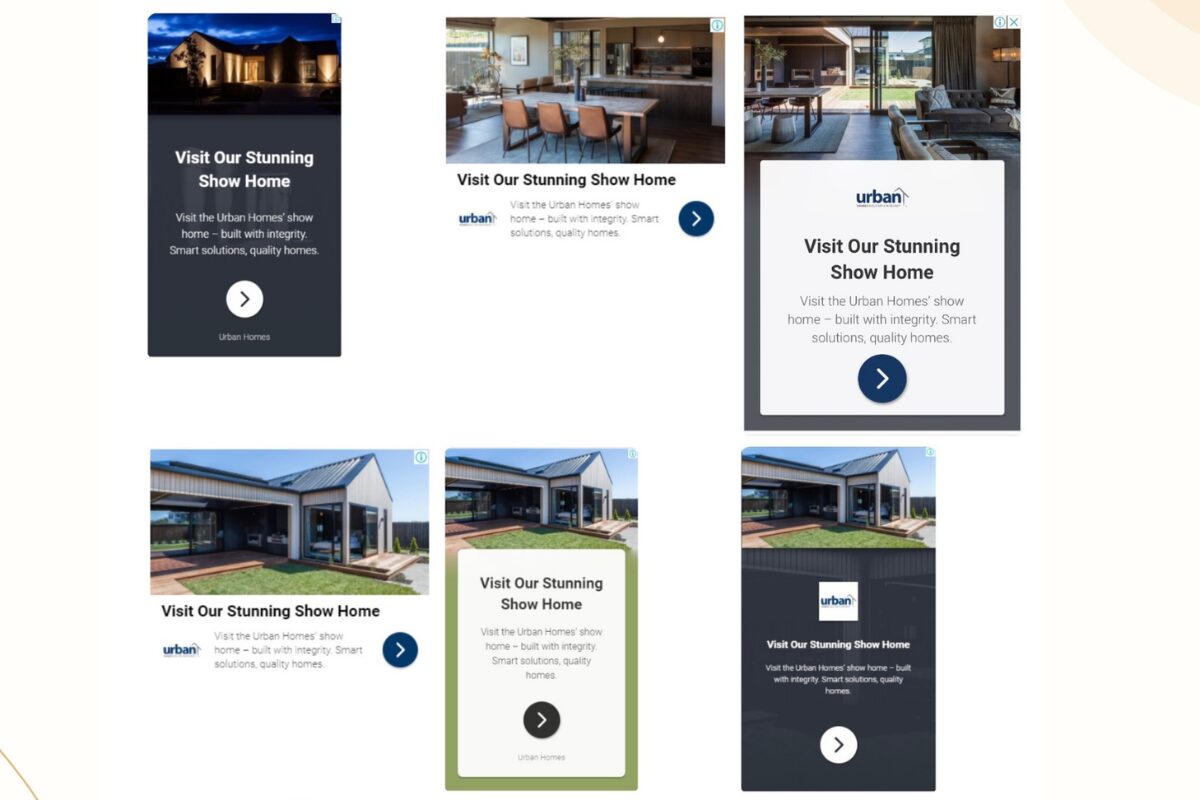
Responsive Google Display Ads adapting creatives to improve engagement and conversions
Google’s machine learning then mixes, matches, and automatically adjusts these assets to fit almost any available ad space on the GDN.
Why it works: According to Google, advertisers using responsive display ads typically see up to 20% more conversions compared to static image ads.
For example: You upload a logo, images, headlines, and descriptions. Google’s machine learning then tests combinations to find what performs best across websites and apps.
2. App Display Ads
These are specifically designed to encourage users to download your mobile app or perform a valuable action within the app (like making a purchase or completing a level). These ads appear across the GDN, Google Search, Google Play, and YouTube.
Example: A fintech app targeting young professionals can show app ads inside productivity apps or finance-related mobile games.
Use case: Perfect for businesses focusing on mobile-first growth or app re-engagement campaigns.
3. Video Display Ads
While YouTube is the primary home for video ads, the GDN also supports video through “out-stream” formats, which appear on partner websites and apps, playing automatically when visible.
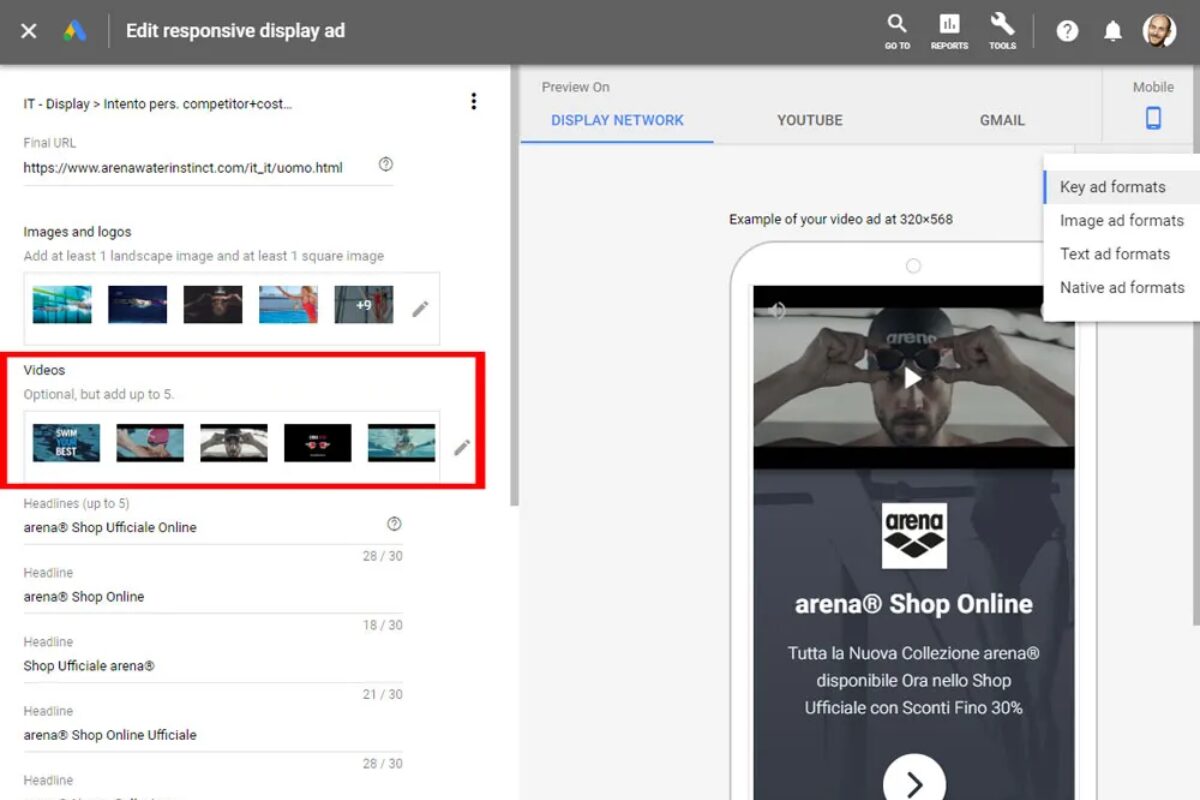
Google video display ads using visual storytelling to increase brand recall
Bumper ads (non-skippable 6-second videos) are perfect for rapid brand messaging.
Example: A 15-second explainer video introducing a new AI product appears before or during relevant YouTube content.
4. Discovery Ads
A visually rich, image-heavy ad format designed to reach users who are in a “discovery” mindset. These ads run in Google’s proprietary feeds: the YouTube Home and Watch Next feeds, the Discover feed on the Google app (on mobile), and the Gmail Promotions and Social tabs.
Example: A B2B consultancy promoting a free growth guide appears in Gmail while users browse business-related emails.
5. Performance Max Display
While not strictly a GDA type, Performance Max is Google’s most powerful, goal-based campaign type that runs across all Google channels, including the Display Network, Search, YouTube, Gmail, Maps, and Discover – from a single campaign.
Example: An e-commerce brand launches a Performance Max campaign to promote seasonal offers, letting Google optimize placements automatically.
Result: Many advertisers report 10–15% incremental conversions compared to running separate campaign types.
6. Remarketing Display Ads
These ads target users who have previously visited your website or used your app but haven’t completed a desired action (like a purchase). It’s the ultimate “follow-up” tool, ensuring your brand stays top-of-mind.

Google Display remarketing ads re-engaging users to increase conversions
Example: A visitor browses pricing pages but leaves. Later, they see a reminder ad offering a free demo.
7. Dynamic Display Ads
An advanced form of remarketing, primarily used by e-commerce and travel sites. Instead of a generic ad, the ad creative is dynamically generated to display the exact products or services the user previously viewed on your site.
Example: An ecommerce user sees the exact shoes they viewed yesterday—now with a limited-time discount.
Why it works: Dynamic ads personalize at scale, leading to higher CTR and lower CPA.
How Google Display Ads Grow Marketing Results (6 Proven Mechanisms)
Google Display Ads are not just a simple banner placement; they are a sophisticated system engineered for growth.
Their success in driving marketing results is rooted in six core, interconnected mechanisms:
- Precision Targeting
- Visual Storytelling
- Remarketing
- Scalable Cost-Effectiveness
- Measurable Insights
- Long-Term Growth
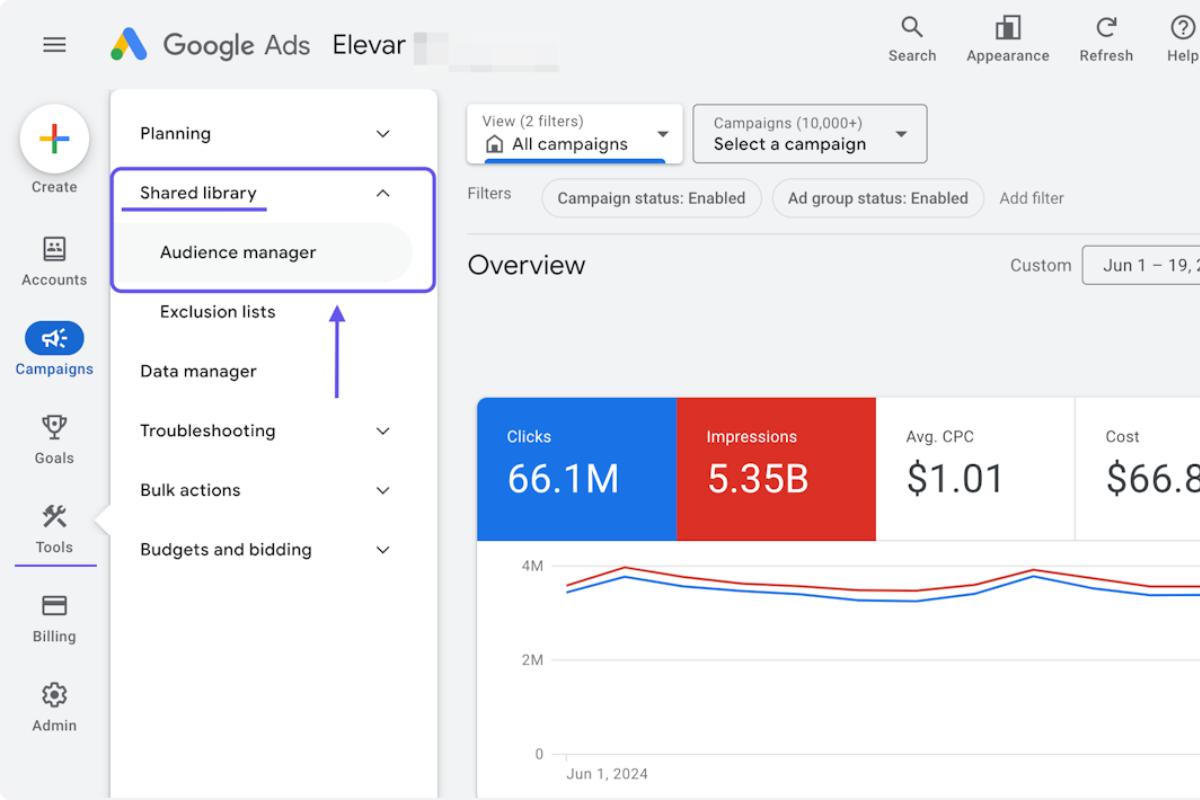
Proven mechanisms explaining how Google Display Ads grow marketing results
1. Precision Targeting
Google Display Ads allow advertisers to target users based on:
- Age, gender, location, income
- Interests and online behavior
- In-market signals (users actively researching a category)
- Custom intent audiences
Example: A B2B software company targets “IT managers researching cloud migration” instead of broad tech audiences.
2. Visual Storytelling
People remember visuals better than text.
The GDN is the best channel for visual brand communication outside of social media.
Display Ads let brands tell stories using images, motion, and short videos, something Search Ads simply can’t do.
Example: A startup shows a before-and-after workflow animation explaining how their tool saves 10 hours per week.
Rich media display ads often generate 2x higher engagement rates than static text-based ads.
3. Remarketing
Most users don’t convert on the first visit.
Remarketing (or retargeting) is arguably the single most powerful application of the Google Display Network for direct marketing results. It operates on the principle of frequency and familiarity.

Remarketing strategies using Google Display Ads to boost conversion rates
Example: A digital agency retargets users who downloaded a checklist but didn’t book a consultation.
Key insight: According to industry benchmarks, remarketing ads can deliver ROI up to 10x higher than cold audience campaigns.
4. Scalable Cost-Effectiveness
Compared to highly competitive Google Search terms (which can cost $5 to $50+ per click in crowded industries), the cost-per-click (CPC) on the Google Display Network is typically much lower.
This low barrier to entry makes GDA an engine for scalable reach.
- Average Display CPC: $0.50–$1.00
- Average Search CPC: $2–$5+, depending on industry
Example: A SaaS startup with a limited budget uses Display Ads to build awareness before competing in expensive Search auctions.
This scalability makes Display Ads especially valuable for startups, SMBs, and growth-stage companies.
5. Measurable Insights
Every interaction with a Display Ad is meticulously tracked and reported:
- Impressions
- View-through conversions
- Assisted conversions
- Audience behavior after exposure
This measurability is critical for iterative improvement and proving marketing ROI. The integration with Google Analytics (GA4) provides advertisers with a clear picture of ad performance beyond the initial click.
Example: Analytics shows that users exposed to display ads convert 23% more often later through Search or Direct traffic.
Display Ads often influence conversions indirectly—something last-click models fail to capture.
6. Long-Term Growth
Long-term brand growth and brand lift achieved through Google Display Ads
Google studies show that well-optimized Display campaigns can generate:
- 22% brand lift
- Higher brand recall
- Increased trust and familiarity
Why this matters: Brands with stronger awareness typically see lower acquisition costs over time.
Display Ads don’t just drive short-term clicks—they build long-term demand.
Key Strategies to Maximize Results With Google Display Ads
Running a successful GDA campaign involves more than just setting a budget. It requires a strategic approach that blends creativity, data, and continuous optimization.

Key strategies to maximize marketing results with Google Display Ads
1. Start With Clear Goals
Define whether your campaign focuses on:
- Awareness
- Consideration
- Conversion
Each goal requires different creatives, audiences, and KPIs.
2. Design for the Funnel Stage
The creative asset must match the audience’s stage in the marketing funnel.
- Top-of-Funnel (Awareness): Use high-impact, emotional visuals and videos. The message should focus on the problem and how your brand solves it (e.g., “Tired of slow computers?”).
- Middle-of-Funnel (Consideration): Use data, comparisons, and testimonials. The message should highlight features and benefits (e.g., “See why our software is rated #1 for security.”).
- Bottom-of-Funnel (Conversion/Remarketing): Use specific calls-to-action (CTAs) and urgency. Include pricing, specific product images, and incentives (e.g., “15% Off Your First Order. Buy Now.”).
3. Test, Test, Test
Use the power of Responsive Display Ads (RDAs) to its full potential by supplying a large variety of assets. Always upload at least:
- Five compelling headlines: Vary the length and tone.
- Five high-quality images: Test product shots vs. lifestyle shots vs. graphics.
- Two different logos: Ensure your brand identity is consistent.
Google will automatically rotate and test these combinations, telling you exactly which assets are driving the best results (e.g., “Headline 3” combined with “Image A” has a 20% higher CTR).
4. Combine Display With Search
Display builds demand. Search captures it.
Brands using both channels together often see higher overall conversion rates than using either alone.
5. Leverage Smart Bidding
Manual bidding is largely obsolete on the GDN. Google’s machine learning algorithms are far more effective at finding the right users at the right time.
Use automated bidding strategies like:
- Maximize Conversions
- Target CPA
- Target ROAS
Google’s machine learning improves performance over time, especially with enough data.
Bottom Line
In 2026, Google Display Ads are not optional—they’re essential for sustainable digital growth. When used correctly, they help advertisers reach the right audiences earlier, tell compelling visual stories, and drive measurable results at scale.
If you’re looking for a channel that supports both short-term performance and long-term brand growth, Google Display Ads remain one of the most powerful tools in modern marketing.
At Golden Owl Digital, we help businesses design and optimize Google Display Ads that are built for real growth – not just impressions. Whether you’re aiming to expand brand presence, improve remarketing performance, or lower acquisition costs, our team focuses on strategies that are practical, measurable, and scalable over time.
FAQs
Q1. How do Google Display Ads differ from Google Search Ads?
Search Ads target users actively searching for keywords, while Display Ads target audiences based on interests, behavior, and intent—even before they search.
Q2. What budget do I need to start using Google Display Ads?
Many advertisers start with as little as $5–$10 per day, making Display Ads accessible for small and growing businesses.
Q3. Is Google Display Advertising any good for small businesses?
Yes. Display Ads offer lower CPC, flexible targeting, and scalable budgets—ideal for SMBs looking to grow efficiently.
Q4. Are Google Display Ads effective for driving conversions, or only brand awareness?
While Display Ads are excellent for awareness, remarketing and dynamic display campaigns can drive strong conversion results when optimized properly.