
SEO is often misunderstood as a “money game.” Many people believe that without a large budget, SEO simply won’t work. In reality, some of the most sustainable SEO results come from businesses that started small, focused on fundamentals, and executed consistently.
This guide shows you exactly how to do SEO with a tight budget, without cutting corners or risking long-term damage to your website. This approach works especially well for businesses looking to do cheap SEO for small businesses or DIY SEO on a tight budget without hiring agencies.
Key takeaways:
|
How to Do SEO With a Tight Budget (Step-by-Step Overview)
Doing SEO with a tight budget is not about cutting corners. It’s about focusing only on actions that directly impact rankings, traffic, and conversions.
At a high level, a realistic low-budget SEO approach follows these steps:
- Focus on search intent first, not high-volume keywords.
- Use free and low-cost tools to identify quick wins and gaps.
- Optimize existing pages before creating new content.
- Prioritize local SEO, on-page basics, and technical health.
- Amplify content through free channels like email and social.
The sections below break down each step into actionable tactics you can apply immediately—even with limited time, tools, and resources.
What Goes Into a Realistic SEO Budget on a Tight Budget?
Before jumping into tactics, let’s reset expectations.
SEO is not “free,” even when you’re not paying an agency. Time, effort, and consistency are all part of the cost. Even if you’re not buying affordable SEO services, you can still build an affordable SEO plan by investing time into the right fundamentals first.
When budgets are limited, clarity matters more than cash. You need to know what deserves investment and what can be handled manually.

SEO budget breakdown
SEO Budget Benchmarks for Small Businesses
Based on WebFx research:
- Start-ups: $100 – $500/month
- Small businesses: $100 – $500/month
- Mid-sized businesses: $100 – $3,000/month
At the lower end of this range, you won’t “buy growth.” You’ll build it—step by step.
Free vs. Paid SEO Spending
When doing SEO on a tight budget, you should aim for a hybrid approach: leverage free tools while selectively paying for what saves the most time.
| SEO Category | % Allocation | Why It Matters |
| Content & optimization | 35–40% | Core ranking factor |
| Link building & outreach | 20–25% | Authority & trust |
| Technical SEO | 10–15% | Foundation health |
| Tools & software | 10–15% | Efficiency |
| Tracking & testing | 5–10% | Decision-making |
10 Proven Low-Cost SEO Tactics for a Tight Budget
The tactics below are designed for businesses that don’t have large SEO teams or expensive tools—but still want real results. Each one focuses on maximum impact with minimal spend. Think of this section as a budget SEO playbook: simple actions that move rankings without needing expensive tools.
1. Master Free Keyword Research for SEO on a Tight Budget
Keyword research is where many low-budget SEO efforts fail—not because of tools, but because of mindset.
Instead of chasing high-volume keywords, tight-budget SEO should focus on search intent and specificity.
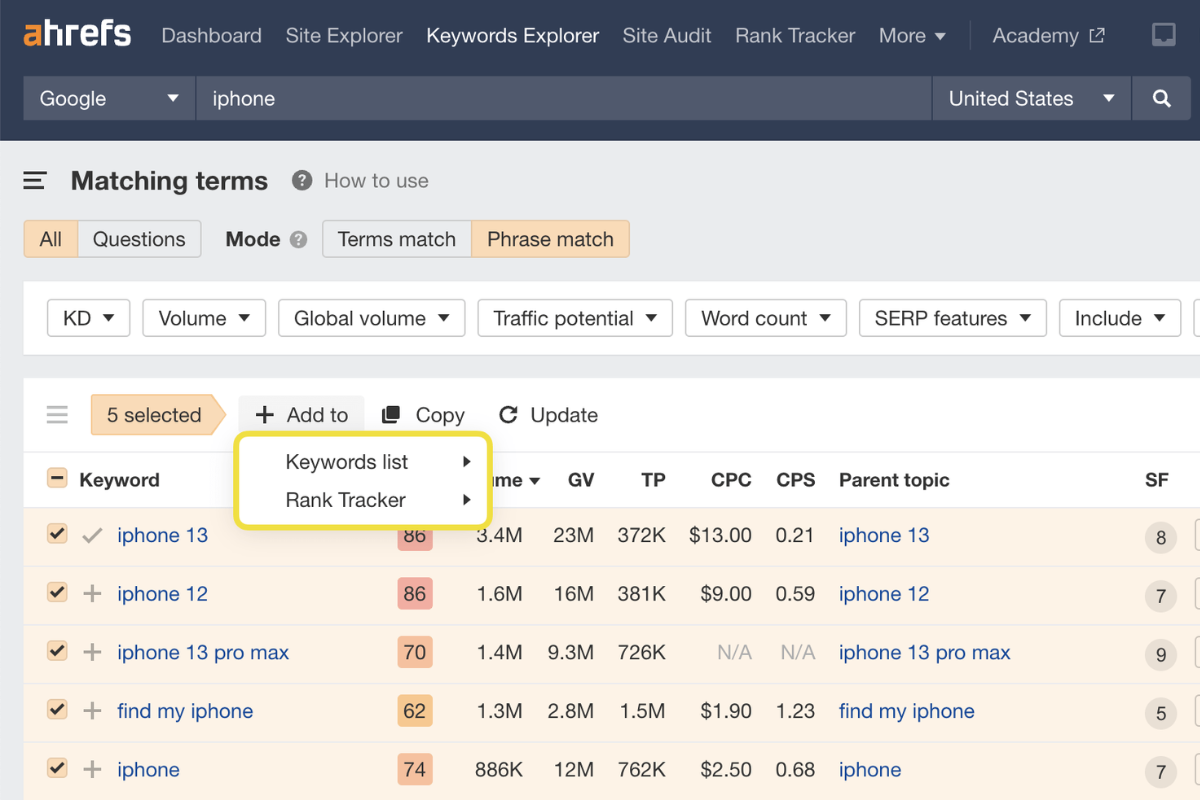
Using free keyword research tools
How to find keywords without paid tools:
Use:
- Google Keyword Planner (free with Ads account)
- Ubersuggest (limited free searches)
- Google autocomplete & “People Also Ask”
Example: Instead of targeting “SEO services,” a small agency can rank faster with:
- “SEO services for startups”
- “affordable SEO for small business”
- “SEO agency for SaaS startups”
These keywords may have only 50–300 searches/month, but conversion rates are often 2–3x higher.
Read more: How many keywords should you use for SEO? What works in 2025?
2. Nail On-Page SEO Basics (High ROI, Low Cost)
On-page SEO is one of the few areas where effort directly translates into rankings—especially when competition is moderate. For small business SEO, these basics usually deliver the fastest ROI because they improve both rankings and click-through rate.
This includes:
- Optimized title tags
- Clear H1–H3 structure
- Keyword placement without stuffing
- Internal linking
Small change, big impact
A service page title changed from: “Web Development Services”
To: “Affordable Web Development Services for Startups & SMEs”
Result: CTR increased by 18% in 30 days, with no ranking change.
Find out: Which On-Page Element Carries The Most Weight For SEO In 2025?
3. Dominate Local SEO (If You Have a Physical Market)
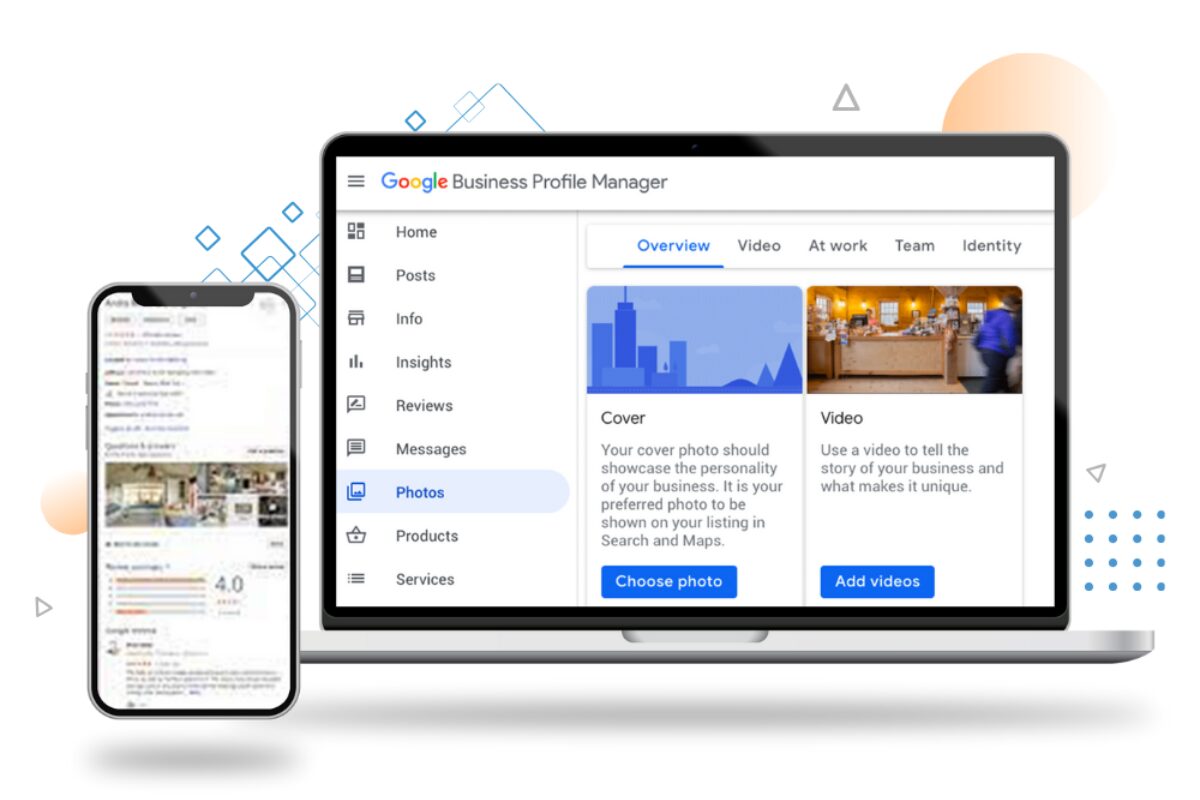
Local SEO optimization using Google Business Profile and customer reviews
For local businesses, SEO on a tight budget should start with Google Business Profile (GBP).
Local SEO rewards
- Consistency
- Proximity
- Trust signals (reviews)
Practical local SEO actions
- Update GBP weekly (posts, photos)
- Ask customers for honest reviews
- Reply to every review
- Create location-based landing pages
For example: A local IT service company increased organic calls by 47% in 4 months, without creating new blog content—just GBP optimization and reviews.
4. Sweat Existing Assets Before Creating New Content
Creating new content is expensive. Optimizing existing content is not.
Many websites already have pages ranking on page two or getting impressions but few clicks. These pages are often just a few improvements away from meaningful traffic.
What to look for in existing content
- Pages with impressions but low CTR
- Articles older than 12 months
- Posts under 1,000 words
- Content missing examples or depth
How to refresh content effectively
- Update outdated statistics
- Expand sections with real use cases
- Improve headings and readability
- Add internal links to newer pages
- Match current search intent
One of our client’ SaaS blog refreshed 8 posts and saw +41% organic traffic in under 90 days.
This is also where a structured strategy for Search Engine Optimization (SEO) campaign becomes valuable, especially when deciding which pages deserve investment and which should be consolidated.
5. Build Links Without Spending Money
Link building has a reputation for being expensive, but that’s only true if you rely on paid links or agencies.
With tight-budget link-building, the goal is to earn links, not buy them.
Low-cost link-building methods
- Guest posting on relevant niche blogs
- HARO (Help a Reporter Out)
- Founder or expert interviews
- Resource page outreach
- Partner and client mentions
HARO tip: Respond only to questions in your exact expertise. Short, clear, value-driven answers perform best.
One strong backlink from a reputable site can move rankings more than dozens of low-quality paid links.
Read more: Outsource Backlink Building: 6 Steps to Get It Right
6. Track Performance With Free Tools (And Use the Data)
SEO without tracking is nothing more than educated guessing. When budgets are tight, guessing is risky—because every hour you spend needs to deliver some form of learning or return.
The good news is that you don’t need expensive dashboards or enterprise software to understand what’s working.
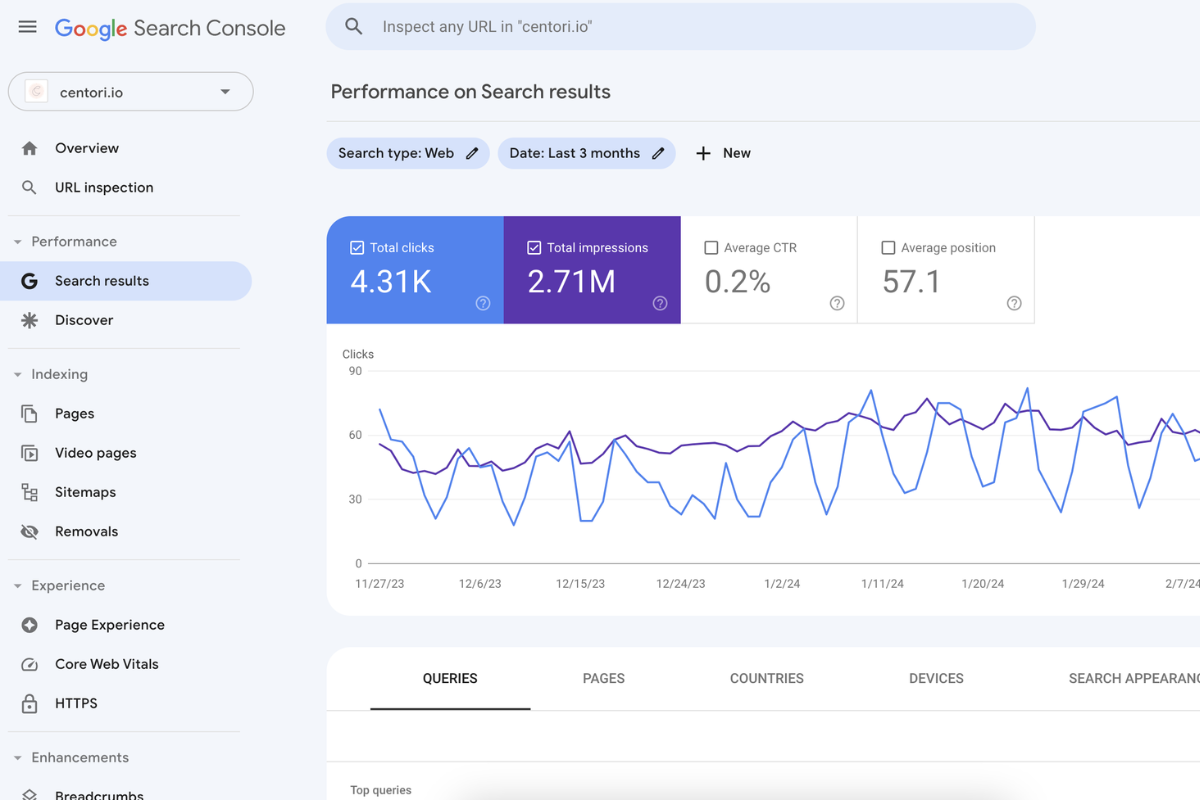
Google Analytics and Search Console dashboard tracking organic SEO performance
Google already gives you two powerful tools for free. The real challenge is knowing what to look at and what to ignore.
Essential free analytics tools
For low-budget SEO, you only need:
- Google Analytics (GA4) to understand user behavior
- Google Search Console (GSC) to understand search performance
Used together, these tools tell you not just how much traffic you get, but why you get it—or don’t.
Metrics that actually matter on a tight budget
Instead of tracking everything, focus on a small set of actionable signals:
- Organic traffic trends: Look at direction, not daily fluctuations. Is traffic steadily rising over 30–90 days?
- Queries with high impressions but low clicks: These keywords already appear in search results. Often, a better title or description is all you need.
- Pages ranking in positions 8–15: These are “almost winners.” Small optimizations can push them onto page one.
- Click-through rate (CTR) by keyword: Low CTR often means your page doesn’t stand out, not that it’s irrelevant.
For example: A blog post ranked at position 9 for “how to do SEO with a tight budget” but had a CTR of only 1.2%. After rewriting the title to be more specific and benefit-driven, CTR increased to 3.8%, resulting in over 2x more traffic—without any ranking change.
7. Optimize Mobile Experience and Page Speed
Google evaluates your site as a mobile user first.
Slow pages don’t just hurt rankings—they hurt conversions.
Why mobile and website speed matter so much
A slow or broken mobile experience directly impacts:
- Search rankings (page experience signals)
- User trust (slow sites feel unreliable)
- Conversions (users abandon before acting)
Even a one-second delay can reduce conversions by 7–10%, especially on service and lead-generation sites.
Free tools to diagnose performance issues
You don’t need paid tools to identify major problems:
- PageSpeed Insights for real-world performance data
- Chrome Lighthouse for technical recommendations
These tools highlight issues that have the biggest impact first, making them ideal for tight-budget prioritization.
High-impact fixes that cost little or nothing
Focus on improvements that deliver the most benefit:
- Compress and properly size images
- Remove unused scripts and CSS
- Reduce plugin overload (especially on WordPress)
- Enable lazy loading for images and videos
For example: Reducing page load time from 4.3 seconds to 2.0 seconds increased lead form submissions by 22%, with no changes to traffic volume.
8. Use AI Content Smartly (Not Lazily)
AI can reduce costs—but only if used correctly.
The smartest approach is to treat AI as a support tool, not a replacement for expertise.
Smart, budget-friendly ways to use AI
AI works best when handling structure and repetition:
- Generating content outlines
- Expanding bullet points into rough drafts
- Drafting FAQ sections based on search queries
These uses save time without sacrificing quality.
What must be added by a human
To rank and build trust, you still need:
- Personal or hands-on experience
- Client stories or real examples
- Industry-specific insights
- Clear opinions and recommendations
Search engines increasingly reward content that demonstrates experience, depth, and originality—things AI cannot fully replicate. That’s why it is also important to ask if AI content is bad for SEO.
9. Amplify Content Through Social & Email
Publishing content alone rarely leads to immediate SEO results. Promotion helps content gain early visibility, engagement, and indexing—especially important when you can’t afford paid distribution.
Think of amplification as giving your SEO content a head start.

Promoting SEO content through social media and email marketing
Free channels worth using
Even with a small audience, these channels matter:
- LinkedIn posts (especially for B2B and agencies)
- Email newsletters to existing subscribers
- Community groups related to your niche
- Slack or Discord communities where your audience hangs out
You don’t need viral traffic. Even small bursts of engagement send positive signals. Our article about best social media for SEO is a great start to choose the right platform for your business.
Why amplification supports SEO
Early engagement helps with:
- Faster indexing by search engines
- Higher dwell time and interaction
- Stronger relevance and trust signals
For low-budget SEO, amplification increases the return on every piece of content you publish.
10. Technical SEO Quick Wins Using Free Tools
Technical SEO problems are often invisible but they quietly block performance across your entire site. When budgets are tight, ignoring technical issues means wasting effort everywhere else.
Fortunately, you can identify most critical problems using free tools.
Use Screaming Frog (Free Version) to find issues
With the free version, you can scan up to 500 URLs and uncover:
- Broken internal and external links
- Duplicate or missing title tags
- Missing meta descriptions
- Redirect chains and loops
These issues don’t require advanced development skills to fix, but they can significantly improve crawlability and user experience.
Why technical fixes matter so much
Technical SEO improvements:
- Help search engines crawl and index content efficiently
- Prevent ranking dilution
- Ensure on-page optimizations actually take effect
Essential Free & Low-Cost SEO Tools Under $50/Month
A low-budget strategy doesn’t mean no tools. It means focusing on a small stack of tools that give you the highest utility for the lowest cost.
Start with free SEO tools first (GSC, GA4, PageSpeed Insights), then add one paid tool only when it clearly saves time. If you only pick one upgrade, choose low-cost SEO tools that support keyword research or technical audits—those save the most hours per month.
| Tool | Cost | Purpose |
| Google Search Console | Free | Search performance |
| Google Analytics | Free | User behavior |
| Ubersuggest | Free / $29 | Keyword ideas |
| AnswerThePublic | Free limited | Content topics |
| Screaming Frog | Free | Technical audits |
| PageSpeed Insights | Free | Speed optimization |
Common SEO Mistakes & Smart Budget Allocation Tips

Common SEO mistakes and smart budget allocation tips for small businesses
Even with the best plan, budget marketers often fall into common traps. Buying random cheap SEO tools (or cheap link packages) can waste budget fast. That is why businesses should prioritize tools that improve decisions, not vanity reports.
Avoid these pitfalls to maximize your limited resources.
- Chasing Only High-Volume Keywords: This is a trap. You will spend months creating perfect content, only to be buried by high-DA sites. Focus on high-intent, low-volume keywords where you can realistically rank in the top 3 within 6 months.
- Vague Tracking (Vanity Metrics): Tracking “total followers” or “total sessions” does not pay the bills. You must track Conversions (sales, leads, calls). If an SEO effort doesn’t lead to a measurable business outcome, stop doing it.
- Falling for Black-Hat SEO Deals: You might see ads for “100 PBN Links for $500”. Do not fall for it. Private Blog Networks (PBNs) and keyword stuffing can lead to a Google penalty, wiping out months or years of hard work. A penalty on a tight budget is a death sentence for your SEO efforts. Always pursue white-hat, sustainable strategies.
Real Low-Budget SEO Case Studies (What Actually Worked)
SEO on a limited budget is often misunderstood. Many B2B teams assume meaningful results require heavy tool stacks or large monthly retainers.
From our experience at Golden Owl Digital, sustainable SEO growth comes from focused execution, clear intent, and tight alignment between content, tech, and business goals.
Below are real projects we’ve executed, using lean budgets, practical tactics, and measurable outcomes.
Case Study 1: Golden Owl Asia – Turning Brand Authority Into Search Visibility
- Business type: Enterprise IT & digital transformation
- SEO timeline: 11/2024–10/2025
- Primary goal: Increase organic demand for high-value service pages
Despite strong brand credibility, Golden Owl Asia’s organic performance didn’t reflect its market position. The challenge was structural, not reputational.
We re-architected service pages, clarified topical authority across digital transformation themes, and improved internal linking between blog content and commercial pages. Page performance and UX were optimized using free and lightweight tools.
After 11 months, organic traffic increased from 7,000 to 24,000 visits/month (+242%).
Top 3 keyword rankings grew by 120%, while Top 10 rankings increased by 230%.
Key insight: SEO often unlocks value that already exists. When authority is paired with clear structure and intent alignment, results follow quickly—even on conservative budgets.
Case Study 2: TurisVPN – Scaling Organic Traffic From Zero to 355K Clicks
- Business type: Consumer SaaS (VPN)
- SEO investment: Lean team, selective tooling
- Primary goal: Build organic acquisition at scale in a competitive security niche
TurisVPN started with zero organic visibility and no historical search data. Competing VPN brands were heavily funded, making head-to-head keyword competition unrealistic.
Our strategy focused on search demand clustering and technical clarity. We built SEO-friendly content hubs around privacy, VPN use cases, and protocol comparisons, while ensuring clean site architecture and strong internal linking from day one.
After 15 months (June 2024–October 2025), the site generated 355K organic clicks and 36.3M impressions. In September 2025 alone, TurisVPN reached 70K clicks and 6.63M impressions, driven primarily by non-branded, high-intent queries.
Key insight: For SaaS products, early SEO wins come from owning topics, not chasing keywords. Structured content + technical discipline compounds fast—even without aggressive link building.
Case Study 3: LeaseRunner – 230% Traffic Growth in a Competitive B2B SaaS Market
- Business type: B2B SaaS (Property management & leasing)
- SEO timeline: 11 months
- Primary goal: Increase qualified organic traffic and feature-level visibility
LeaseRunner already had baseline traffic, but growth had plateaued. The issue was intent mismatch and weak keyword-to-feature alignment.
We restructured core pages around commercial intent, expanded feature-specific content, and strengthened internal links between educational blogs and conversion pages. Technical SEO and content prioritization were handled without bloated tooling.
Within 11 months, monthly traffic grew from 9,000 to 30,000 (+230%).
Keyword rankings improved significantly, with Top 3 keywords increasing by 841% and Top 10 keywords by 658%.
Key insight: For B2B platforms, SEO scales fastest when content directly supports product features and buyer decision stages—not generic thought leadership.
Final Thoughts
Learning how to do SEO with a tight budget ultimately comes down to discipline. When resources are limited, the teams that win are usually the ones that prioritize intent, improve what already exists, and focus on actions that directly influence rankings and conversions.
In our experience, many businesses already have untapped SEO opportunities sitting inside their current website, whether that’s technical issues blocking visibility or content that simply needs better structure and intent alignment. That’s why a proper SEO audit (like one of ours) is often the smartest starting point, especially when every dollar and hour matters.