Scaling your content efforts can feel impossible, right? Building thousands of high-quality, targeted pages quickly used to be a dream. But not anymore! Programmatic SEO is the game-changer, and with the best programmatic SEO tools, you can turn that dream into your reality in 2025.
Key takeaways:
|
What is Programmatic SEO and How Does It Work?
Programmatic SEO is the method of creating large volumes of search-optimized pages using data, templates, and automation.

How programmatic SEO creates automated, optimized pages
Instead of writing every page manually, you build a repeatable system:
- Identify a data set of keywords or long-tail topics (e.g., all major cities, all software names).
- Create a single, powerful page template designed to rank.
- Automatically merge your data set into the template to mass-produce unique pages.
This method allows you to capture traffic for an enormous volume of low-search-volume, high-intent keywords that your competitors often overlook.
→ When done right, programmatic SEO increases organic traffic at scale while keeping your content relevant and useful.
Why Programmatic SEO Tools Are Your 2025 Secret Weapon
The sheer volume of content Programmatic SEO can produce is its main power. But you can’t build this machine manually!
Benefits of using programmatic SEO tools to boost traffic and efficiency
Programmatic SEO tools are the engine, making the entire process efficient, scalable, and manageable. In 2025, they are no longer a luxury—they are essential for:
- Produce high-quality pages at scale
- Discover long-tail keyword opportunities you would normally miss
- Keep your content updated in near real-time
- Reduce production costs and manual workload
- Build consistent on-page SEO across thousands of URLs
With search becoming more personalized and intent-driven, having the right programmatic tools gives you a real competitive edge.
Top 15+ Programmatic SEO Tools in 2025
Building a successful Programmatic SEO machine requires a stack of tools. We can break these down into categories that map directly to your workflow.
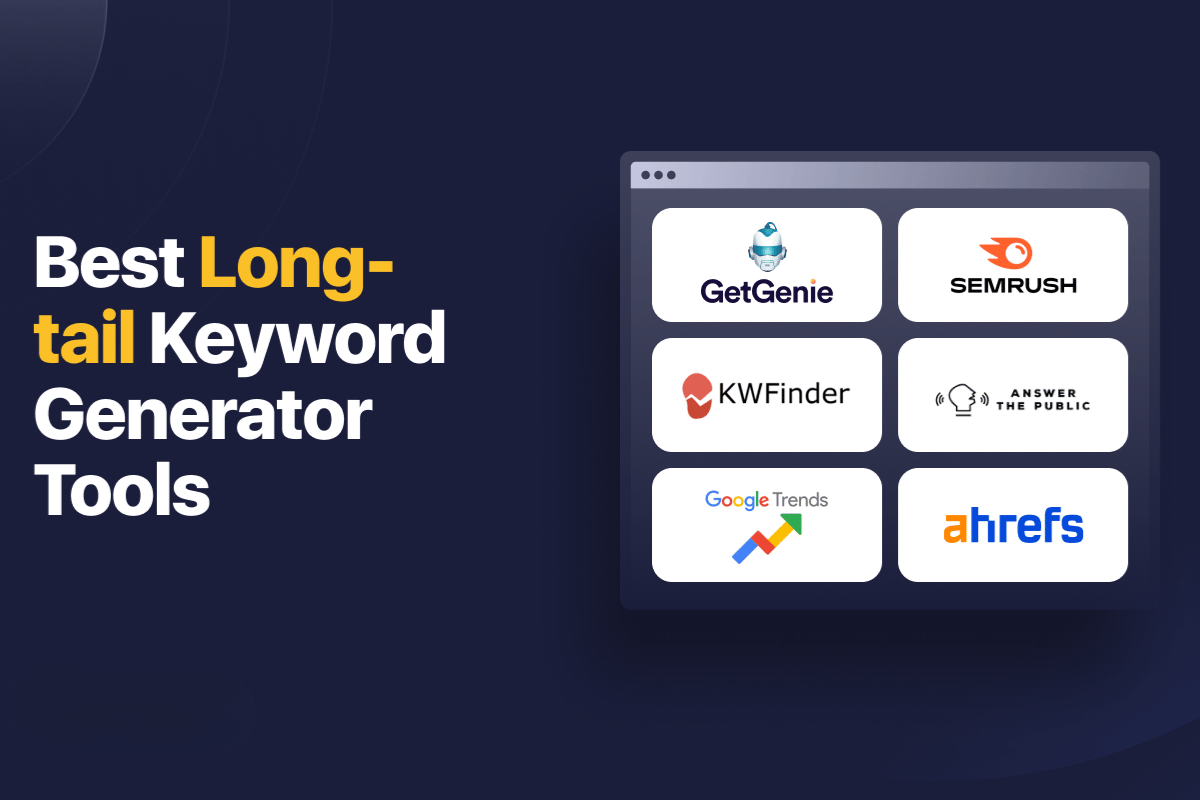
Tools for discovering high-volume and long-tail SEO keywords
Keyword Research Tools
You need to find the data set that makes sense. These tools help you discover the scalable long-tail opportunities.
- Ahrefs: Still a powerhouse for SEO analysis. Use the Content Gap feature to find keywords your competitors rank for, but you don’t. Crucially, its Keyword Explorer can reveal the volume and difficulty of your target long-tail variations.
- SEMrush: Similar to Ahrefs, SEMrush excels at finding profitable long-tail keywords. Its Keyword Magic Tool is excellent for filtering and segmenting large lists of keywords, which is critical for programmatic structure.
- Surfer SEO: While known for on-page optimization, Surfer SEO’s Keyword Research features can help you cluster similar keywords. This ensures you’re not cannibalizing your own pages and helps group data points for a single template.
- Ubersuggest: A solid, budget-friendly option. It offers great keyword suggestions and content ideas that can form the basis of your data sets. Look for the “All Keyword Ideas” reports to discover low-competition opportunities.
Content Generation Tools

Tools that generate scalable content for programmatic SEO
You need to write the base template and potentially unique introductions/descriptions for the pages. AI is perfect for this.
- Claude (Anthropic): Claude is gaining popularity for its ability to handle larger prompts and maintain a more natural, human-like voice. It’s often favored for generating high-quality, long-form template content that sounds less robotic.
- ChatGPT (OpenAI): The industry standard. Use it to draft your H1s, meta descriptions, and the core body copy of your template. It’s also incredibly helpful for cleaning up and formatting your data sets before deployment.
CMS & Page Template Builders

Platforms for building reusable page templates for programmatic SEO
Where will your thousands of pages live? You need a platform that can handle dynamic data and scale easily.
- WordPress: With plugins like WP All Import or dedicated programmatic SEO solutions, WordPress remains a flexible and widely adopted platform. It’s great if you need deep customization via PHP.
- Webflow + Programmatic SEO Apps: Webflow’s structure and CMS (Content Management System) are highly flexible for programmatic projects. Using dedicated programmatic apps that integrate with Webflow allows you to bypass many of the manual data syncs.
Data Scraping Tools
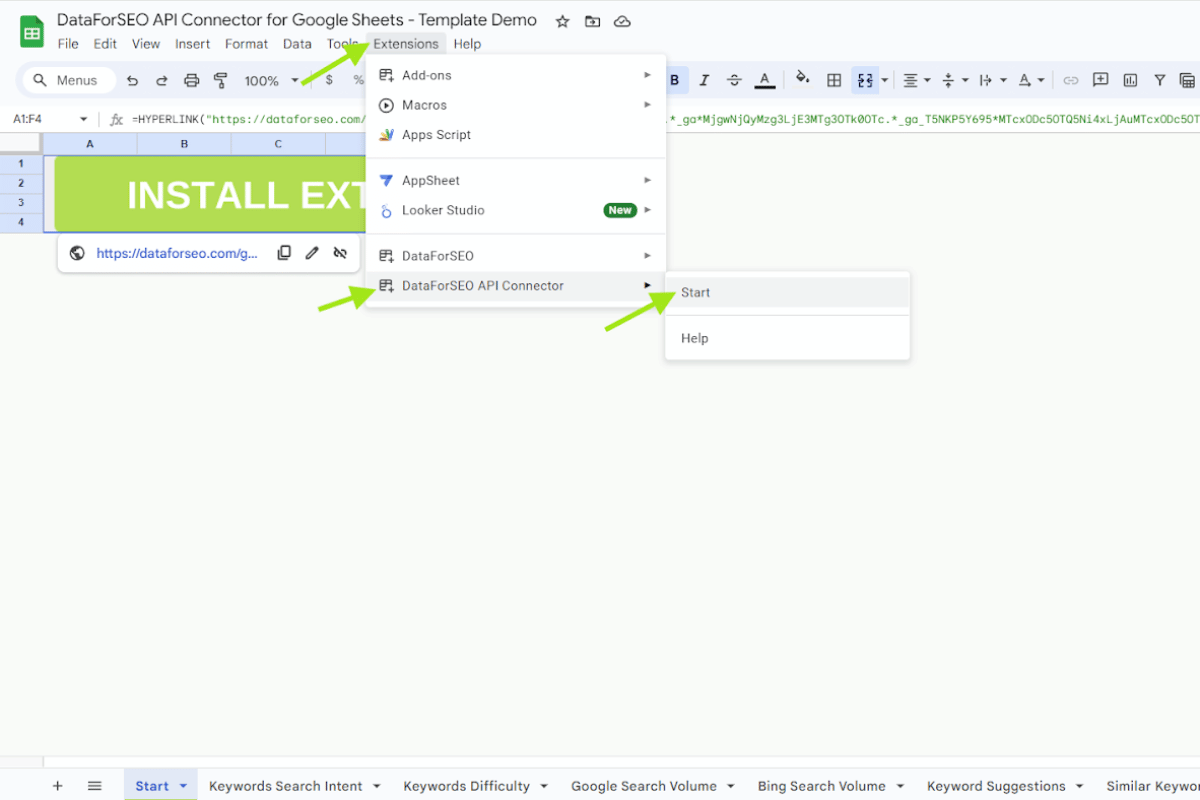
Tools for collecting structured data for SEO page generation
You won’t always find perfect data handed to you. Scraping tools are necessary to build high-quality, unique data sets.
- AI Sheets: This tool (or similar spreadsheet extensions) allows you to perform basic data enrichment and cleaning directly within Google Sheets using AI functions. This is a crucial pre-deployment step.
- DataForSEO: A powerful and reliable API for programmatic data. It lets you extract large volumes of data like SERP results, keyword difficulty, and even competitor analysis—perfect for creating dynamic, data-driven templates.
- Clay: Clay is an excellent choice for a data-driven approach. It acts as a combined scraping and enrichment platform, helping you find and clean data from multiple sources to ensure your pages are unique and valuable.
Data Syncing Tools
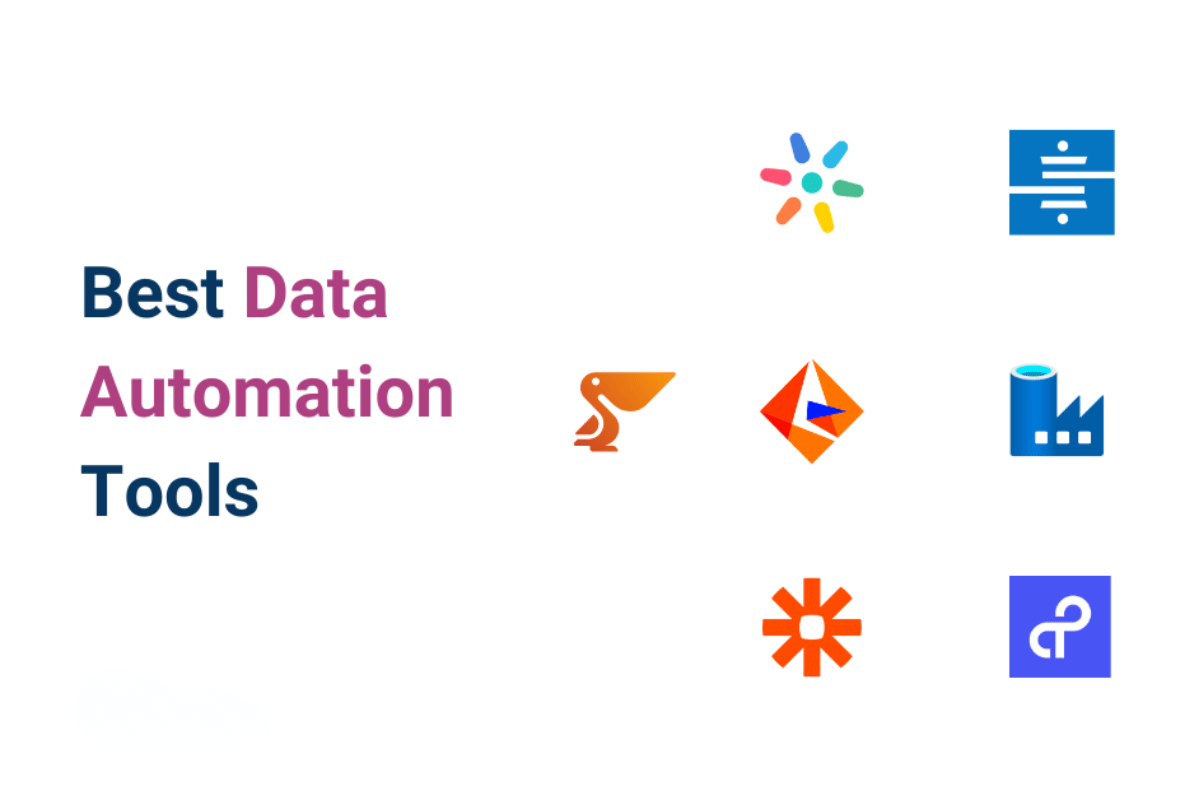
Tools for syncing data and automating content publishing
Once you have your data, you need to connect your spreadsheet to your website builder.
- Zapier: The ultimate automation tool. Use Zapier to connect your Google Sheet (your data source) to your CMS (like WordPress or Webflow) to automatically trigger page creation or updates whenever a new row is added.
- Make (Formerly Integromat): A powerful and often more cost-effective alternative to Zapier. Make excels at complex, multi-step automation scenarios, giving you finer control over the data flow between tools.
- NoBull: A simpler, often specialized tool focused on bridging the gap between your spreadsheet data and your CMS. Tools like this are often built specifically for programmatic SEO needs, offering direct, high-volume syncs.
Image Generation Tools
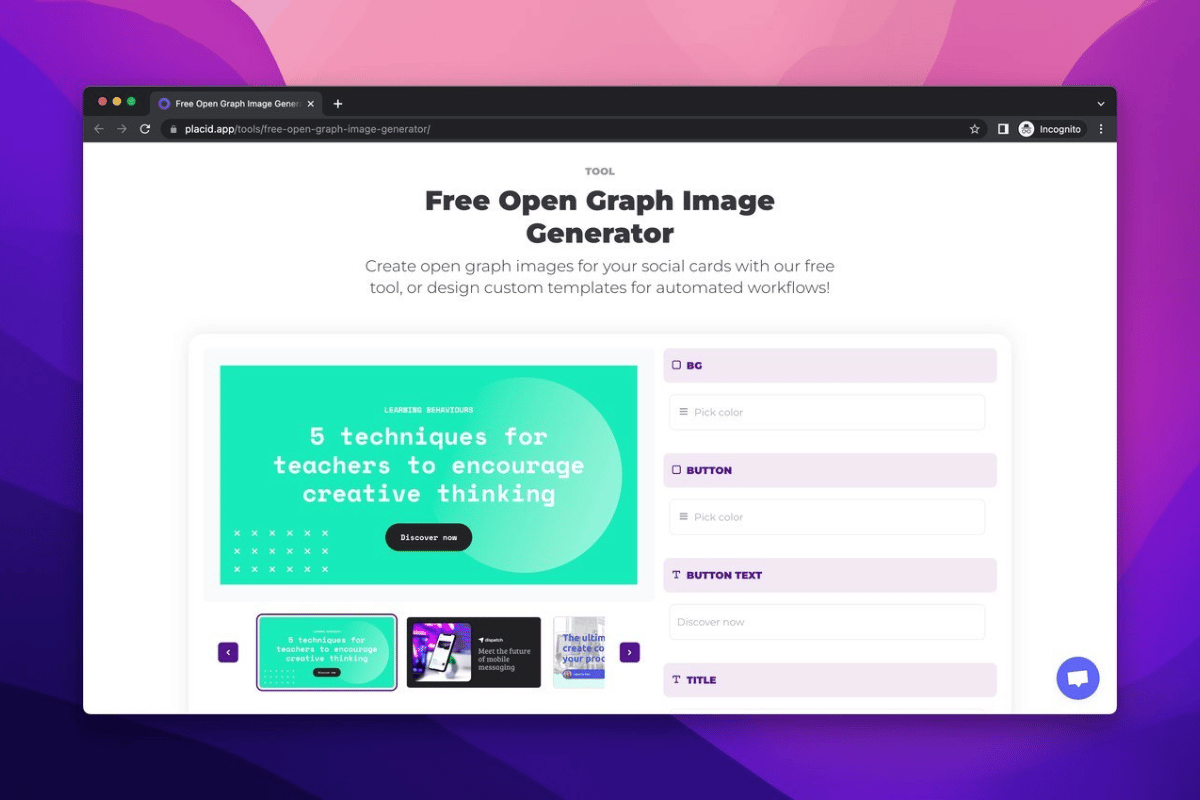
Tools generating dynamic images for programmatic SEO pages
Programmatic pages need unique, relevant visuals to rank well and pass the “human review.”
- Placid: This tool lets you use dynamic data to automatically generate custom images, social cards, and banners for every single page. This is essential for preventing your thousands of pages from looking identical.
- TailGraph: Specializes in generating marketing visuals and social media graphics programmatically. Use it to ensure every programmatic page gets a unique thumbnail or in-content image based on the page’s specific data variable.
How to Choose the Right Programmatic SEO Tools
Choosing the right programmatic SEO tools is easier when you break it down into practical steps. Instead of picking tools because they’re “popular,” focus on how well they fit your workflow and what you actually want to scale.
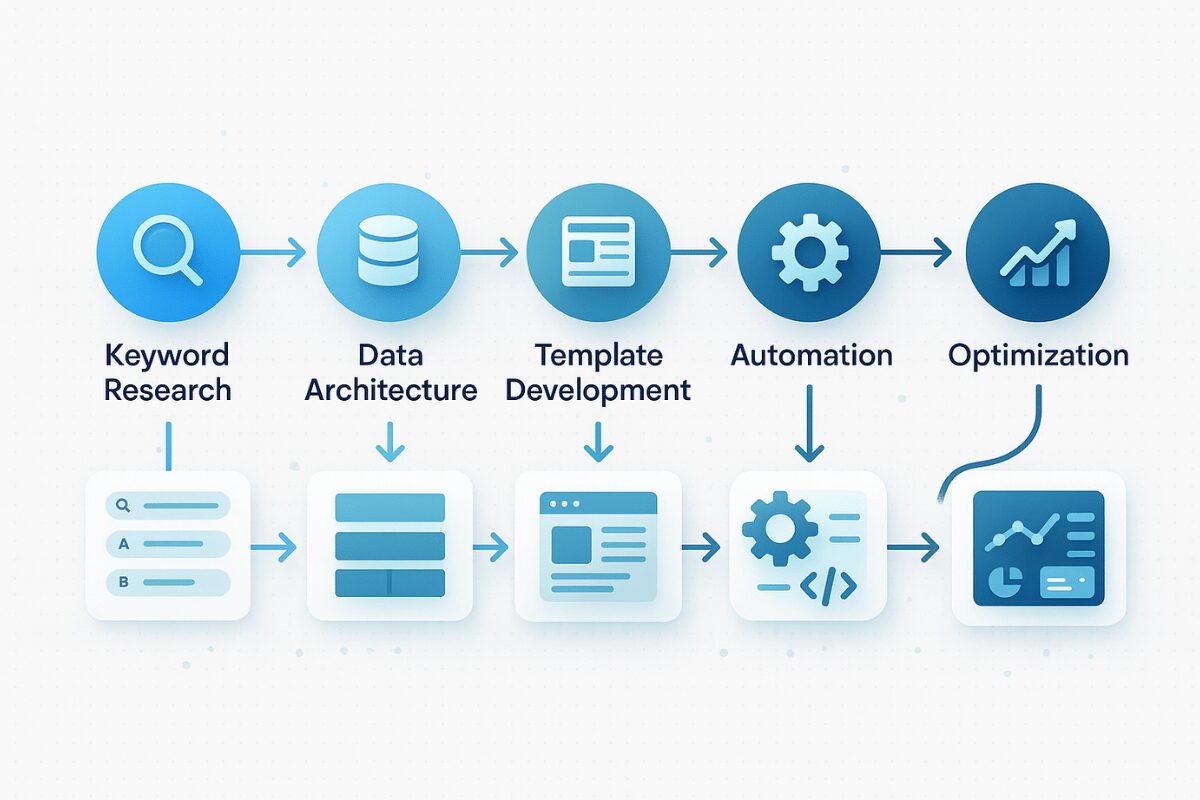
Tips for selecting the best programmatic SEO tools based on workflow
1. Start with your goal
Ask yourself, “What do I want to automate?”
Your goal shapes your stack.
- If you want to build city-based landing pages, choose tools that sync smoothly with a CMS and support dynamic fields.
- If you want to publish comparison pages or product summaries, you’ll need good data sources and scraping tools.
Example: A local service brand wanting “Plumber in {City}” pages would prioritize Webflow + Zapier + AI Sheets, rather than advanced AI writing tools.
2. Check data reliability
Programmatic SEO depends on accurate data. Outdated or inconsistent data leads to incorrect pages.
Ask yourself:
- Does the tool support API updates?
- Does it check for duplicates?
- Can it handle thousands of rows?
Example: If you’re building “Specs for {Laptop Model}” pages, DataForSEO gives more accurate SERP and product data than manual spreadsheets.
3. Consider CMS compatibility
Not every tool plays well with every CMS.
- WordPress works best with ACF + custom post types.
- Webflow is great for clean, visual templates powered by dynamic collections.
- Airtable works best when paired with syncing tools.
Example: If you’re using Webflow, tools like Whalesync or PowerImporter let you push updated rows into dynamic pages without manual uploads.
4. Prioritize scalability and speed
As your dataset grows, your tools must keep up.
Choose tools that:
- Don’t crash with large data sets
- Offer unlimited or high-row limits
- Provide stable automation
Example: Make (Integromat) is better than Zapier for running 10,000+ row updates because it supports more complex logic without timing out.
5. Match budget to use case
Some tools are expensive at scale. Look at cost versus impact.
You may not need every premium platform.
Example: If you’re just testing early versions of your programmatic pages, Ubersuggest + ChatGPT + WordPress may be enough before upgrading to Ahrefs or DataForSEO.
Common Mistakes to Avoid with Programmatic SEO Tools
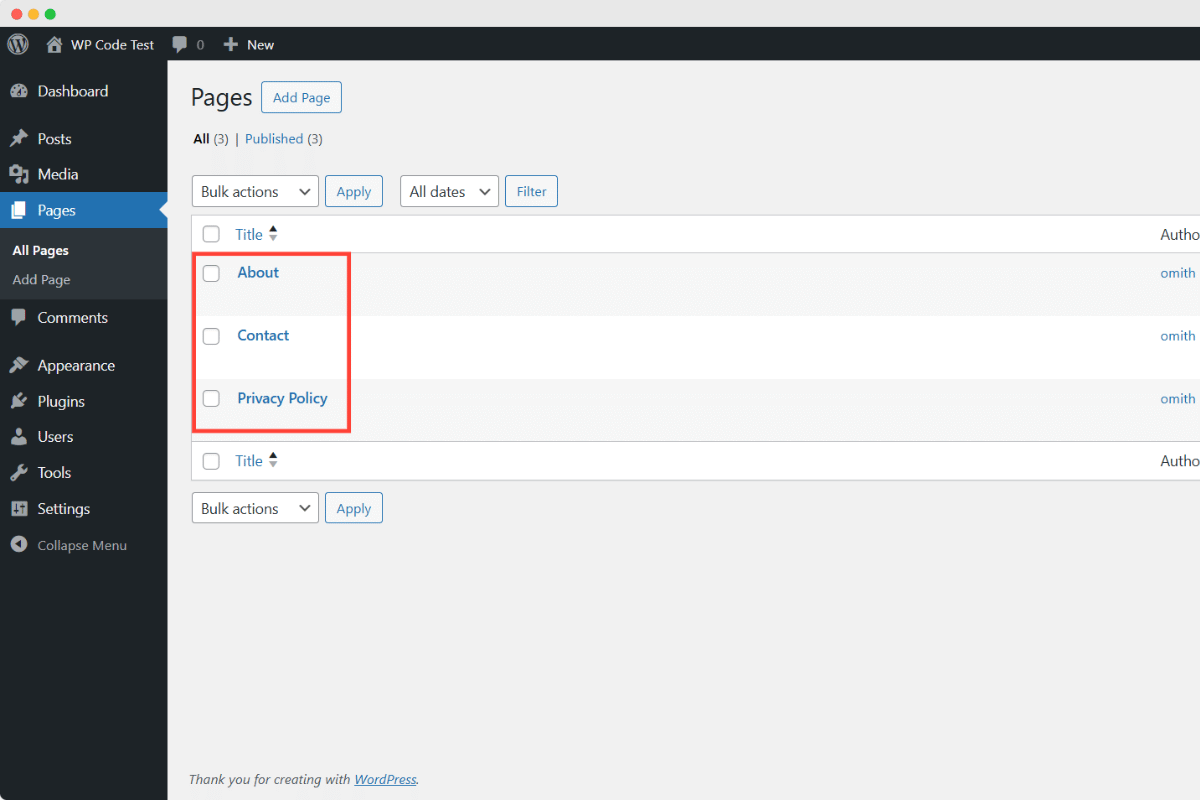
Common errors in using programmatic SEO tools and how to avoid them
Even with the best tools, a poor strategy can tank your efforts. Programmatic SEO is about scale, and mistakes scale quickly too! Avoid these pitfalls that can waste time and money.
- Ignoring Page Quality: Generating thousands of pages of thin, low-quality content. Google cares about the unique value offered to the user. Ensure your template and data provide true utility.
- Not Naming Pages Programmatically: Using generic URLs or H1s. Every page needs to be uniquely optimized (e.g., instead of /tool-guide/, use /best-programmatic-seo-tools-2025/).
- Forgetting Internal Linking: Your programmatic pages should link to each other and your main money pages. Use a programmatic approach to interlink the new pages as you create them.
- Over-relying on AI for Uniqueness: Don’t let AI write the whole template. Use it for drafting, but inject genuine human expertise and unique data points to pass AI detectors and satisfy users.
Case Study: Successful Programmatic SEO Examples
Programmatic SEO isn’t just a theoretical concept — some of the biggest and most successful SaaS and product-led companies are using it to drive tens of millions of organic visits every month.
Below are concrete case studies that highlight how this strategy plays out in real-world, high-scale settings.
Canva: Driving ~38 Million Organic Visits a Month with 24,000+ Pages
Canva is one of the clearest examples of programmatic SEO done right. The brand has created over 24,000 templated pages (later localized into dozens of languages), generating more than 38 million organic visits every month.
To understand why this works, break it down into the three types of pages Canva builds at scale:
- Template pages (~21,000 pages) → 13.1M organic visits/month
- Create pages (“create logo,” “create flyer,” etc.) → 6.4M visits/month
- Feature pages (e.g., “background remover,” “PDF to JPG converter”) → 3.2M visits/month
These pages don’t just exist in bulk — they’re designed with intent-matching layouts. For example:
- The “create logo” page ranks for 13,907 keywords
- And brings in an estimated 628,758 visits per month from SEO
What strengthens Canva’s results even more is its international strategy. By localizing templates across dozens of subdomains (like es-mx, fr-fr), the platform multiplies its reach in global markets without rewriting content manually.
In total, multiple SEO studies estimate that Canva receives over 100 million organic visits/month powered largely by this programmatic system. That traffic then flows directly into user acquisition through the design editor – a perfect case study of product-led growth supported by SEO.
Canva shows that programmatic SEO works incredibly well for design assets. But the same structure applies beautifully to SaaS platforms, especially those built around integrations, actions, or datasets.
That’s where Zapier’s case becomes just as compelling.
Zapier: Programmatic SEO Through Integration Pages
Zapier approached programmatic SEO from a SaaS perspective. Instead of writing manual pages for every integration combination, like:
- “Slack to Trello”
- “Gmail to Google Sheets”
- “Airtable to Notion”
The company created a template engine that automatically generates landing pages based on internal integration data.
Each page includes:
- A simple overview of the integration
- Supported “actions” and “triggers”
- Use cases pulled directly from Zapier’s backend
- CTAs leading users into workflows
Even without publishing exact traffic numbers for these integration pages, Zapier’s SEO footprint is massive. An industry analysis shows:
- Zapier’s blog alone drives ~1.6 million organic visits per month
- A significant share of their long-tail traffic comes from these integration-based, programmatically generated pages
This model shows how programmatic SEO can be used not just for design tools like Canva, but for any platform with structured product relationships.
Conclusion
Programmatic SEO is the future of content scaling. It’s not about avoiding writing—it’s about automating the repetitive infrastructure so you can focus on building a killer template. By strategically combining the programmatic SEO tools listed above, you can build a highly effective, traffic-generating machine in 2025.
If you’re ready to take your SEO strategy to the next level and implement programmatic SEO that drives measurable growth, Golden Owl Digital can help. Our team specializes in building scalable SEO solutions, from keyword research and content automation to dynamic page templates and analytics-driven optimization.
Contact Golden Owl Digital today to see how programmatic SEO can transform your online presence.